When conducting a security patrol, planning and execution are key to maintaining a safe environment. To ensure thorough coverage and a quick response to incidents, it’s important to follow a structured approach. This guide covers everything from route planning and observation techniques to handling incidents and utilizing security technology for improved monitoring. Las Vegas’ professional private security teams rely on these proven methods to protect properties and people effectively.
Patrol Route Planning: Maximizing Security Efficiency
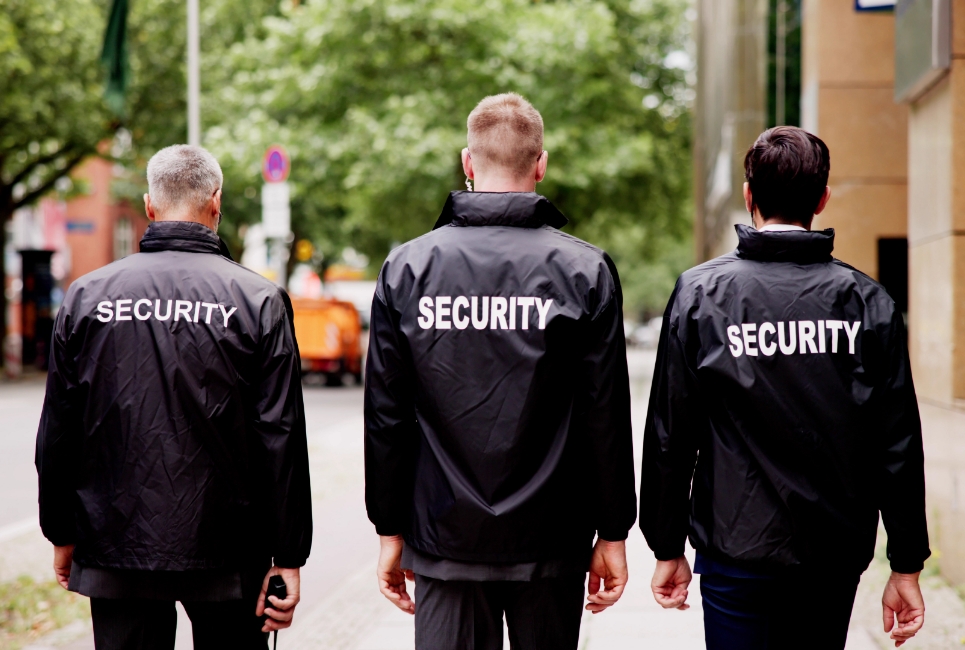
When planning your security patrol route, focus on high-priority areas that require regular surveillance. Key points to consider include entry and exit points, high-value assets, blind spots, and potential areas prone to security breaches. Map out these locations to create a thorough and efficient route, making sure it allows for smooth navigation and timely monitoring. Varying your patrol routes and timing will help avoid predictability, ensuring your security coverage remains effective. Don’t forget to incorporate emergency response protocols and identify potential communication dead zones to enhance your response time. A well-planned route is essential for maximizing security patrol efficiency.
Observation Techniques: Enhancing Patrol Effectiveness
Implementing effective observation techniques will increase the accuracy and reliability of your patrol. Start by scanning your surroundings systematically (e.g., left to right or top to bottom) to spot any anomalies. Use focused attention to monitor specific areas, such as entry points or high-value assets. Peripheral vision helps to notice subtle movements or changes outside your primary focus, while active listening allows you to detect unusual sounds that may indicate a security threat. Mastering these techniques will significantly improve your ability to detect security issues early and respond promptly.
Communication Protocols: Ensuring Clear Coordination
Clear and structured communication protocols are vital for effective security patrols. Establish a system for how information is communicated between team members and other stakeholders. Use standardized radio codes, clear voice procedures, and predefined call signs to streamline communication. Regular check-ins, status updates, and adherence to emergency protocols ensure that everyone on the team stays informed and ready to act. When everyone follows the established protocols, the overall effectiveness and safety of the security team are greatly enhanced.
Handling Security Incidents: A Structured Response Plan
Having a well-defined response plan is essential when handling security incidents during patrols. The primary goal is always to ensure the safety of the area. Begin by calmly evaluating the situation and promptly taking action. Contain the incident to prevent escalation and communicate clearly with your team and relevant authorities. Document key details, such as the nature of the incident, individuals involved, and actions taken. After the incident, conduct a thorough debriefing to assess the response’s effectiveness and identify areas for improvement.
Report Writing Procedures: Documenting Incidents Effectively
Report writing is a crucial aspect of security patrols. Properly documenting incidents ensures accurate record-keeping and helps improve decision-making. When writing security reports, include the following key details:
- Date, time, and location of the incident
- A concise and objective account of the incident
- Descriptions of individuals involved, actions taken, and witness statements
- Chronological order of events
By using professional and objective language, security reports can be a vital tool for future reference and analysis. Always adhere to your organization’s reporting guidelines for clarity and consistency.
Utilizing Security Technology: Enhancing Patrol Monitoring
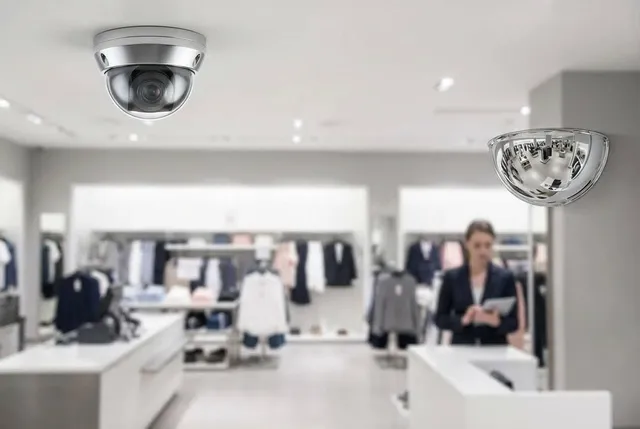
Integrating modern security technology can significantly enhance the effectiveness of your patrols. Utilize tools like surveillance cameras, intrusion alarms, access control systems, and mobile patrol apps to improve monitoring and response capabilities. Here’s how you can leverage security technology effectively:
- Surveillance Cameras: Install high-quality cameras at strategic locations to monitor key areas continuously.
- Intrusion Alarms: Implement alarms that activate when unauthorized access is detected, alerting your team to potential threats.
- Access Control Systems: Restrict access to authorized personnel using electronic systems, ensuring only those with proper clearance can enter sensitive areas.
- Mobile Patrol Apps: Equip security personnel with apps that enable real-time reporting, communication, and tracking of patrols, improving the speed of response.
By embracing these technologies, you can ensure more effective monitoring, quicker responses, and an overall higher level of security.
Contact Us
We’re here to assist you! Whether you have a question, need support, or just want to say hello, reaching out is simple.
📧 Email Us
Drop us a message anytime at info@AllCode4.com. We strive to respond within 24 hours.
📞 Call Us
Prefer to talk? Give us a call at (866) 449-0245 during business hours: Monday – Friday, 9 AM – 4 PM.
💬 Live Chat
Not sure who to contact? Our team is ready to assist you. Just let us know how we can help.
Related Topics: