The Ultimate Guide on How to Survey With a Drone

Drone surveys are becoming a widely adopted method for gathering detailed and accurate data across a variety of industries. Whether you’re managing a construction site, mapping agricultural fields, or overseeing infrastructure projects, drones provide a practical way to collect aerial imagery with precision. In some locations, mainly urban or retail environments, it’s also helpful to coordinate with dedicated retail security guards in San Jose, to ensure safety and regulatory compliance during drone operations. This article outlines key steps for conducting a thorough drone survey, from selecting the right equipment to analyzing the collected data.


Drone Selection

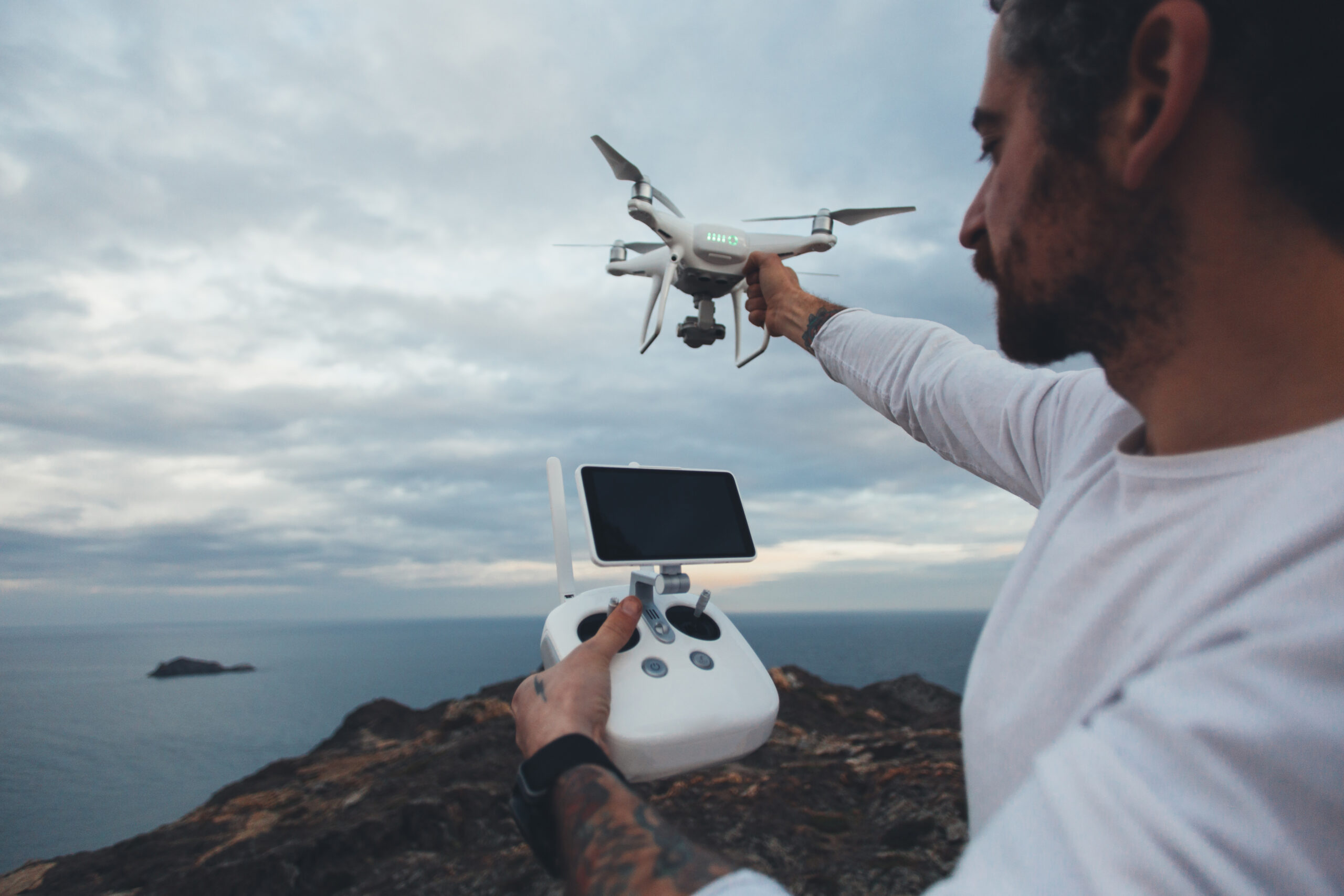
To perform an effective survey, begin by selecting a drone that offers reliable camera performance and sufficient battery capacity. A camera with at least 20 megapixels will provide the image detail necessary for accurate mapping and measurement. A drone that can remain in flight for at least 30 minutes helps reduce downtime and allows for covering larger areas in one session. Longer battery life also reduces the need for multiple landings and takeoffs, which can interrupt your workflow and increase the chance of errors. Equipment quality directly affects the reliability of the information you collect, so it’s worth investing in the right model for the job.


Flight Planning

Planning your flight path is a critical step that affects every part of your survey. Define the boundaries of the area you want to cover, then calculate the appropriate altitude and overlap settings to ensure full visual coverage. Use professional software like DroneDeploy or Pix4Dcapture to create and save these routes ahead of time. Environmental conditions such as wind, terrain elevation, and battery limitations should all be factored into your planning. It’s also vital to check for any legal restrictions, airspace regulations, or safety concerns in the area. Taking time to properly organize the route not only improves data accuracy but also helps avoid potential disruptions.


Data Capture

The quality of your images starts with how well you prepare the drone’s camera settings. Always shoot at the highest available resolution to capture as much detail as possible. Adjust the white balance according to the weather or time of day to produce color-accurate images. Use file formats like RAW or TIFF, which preserve more detail than compressed formats like JPEG. Ensure your shutter speed is fast enough to avoid motion blur, especially when the drone is in motion. Keep the ISO setting as low as possible to reduce digital noise. Lastly, confirm that your focus is correctly adjusted based on your flying height and subject matter. These steps will help you produce clean, accurate data for later use.


Image Processing

After the flight, the captured images need to be processed to become usable survey outputs. Begin with geometric corrections to fix lens distortion and any tilting that occurred during flight. Next, apply radiometric adjustments to balance brightness, contrast, and exposure levels for consistency across your dataset. Merging overlapping photos into one large, continuous image, or orthomosaic, allows for easier analysis of terrain or structures. Feature enhancement tools can help highlight specific elements, such as land boundaries or vegetation patterns. If available, use software that incorporates automated tagging or object detection to assist with interpreting large datasets. Keeping the processed images sharp and color-accurate is vital for delivering precise and meaningful results.


Survey Analysis

Once your imagery is processed, it’s time to turn it into actionable information. Organize the images into datasets aligned with the goals of your survey. Software such as Pix4D and DroneDeploy can generate 3D terrain models, point clouds, and other visualizations useful for measurement or comparison. Photogrammetry allows for exact calculations, which are particularly useful in construction or engineering projects. Always compare results with on-the-ground data when possible to confirm accuracy. You can identify trends or problem areas by comparing current results with past surveys, which is especially helpful for environmental or agricultural monitoring. Clear, well-organized analysis is what turns basic drone footage into valuable insights.


Best Practices

Consistent procedures lead to better results over time. Keeping your flight paths standardized across different sessions helps maintain data consistency. Adjust your flying height based on the specific needs of each project, lower for detailed inspections, higher for broader mapping. 

Regular sensor calibration ensures your measurements remain reliable throughout the life of your equipment. Weather is another critical factor; always assess local conditions before takeoff to avoid unnecessary risk or inaccurate readings. Make time to inspect your drone before and after each use to reduce the chance of technical issues during a survey. A disciplined approach will keep your data accurate and your operations running smoothly.


Related Topics:
How Accurate are Drone Surveys?

Drone surveys are known for their high accuracy, thanks to advanced sensors, GPS geotagging, and real-time kinematic (RTK) technology. These surveys enable detailed 3D modeling, precise image capture, and faster data collection, making them indispensable for industries like construction, agriculture, and disaster response. However, environmental factors such as weather and terrain challenges can affect their accuracy. By optimizing flight planning, using ground control points (GCPs), and adjusting camera settings, you can significantly enhance the accuracy of your drone surveys. For operations requiring added security measures during aerial data collection, trusted private security guards can help protect equipment and survey sites from unauthorized access. Let’s dive deeper into the technology, factors, and strategies behind maximizing drone survey precision.


Technology Behind Drone Surveys

The technology powering drone surveys involves a combination of advanced sensors and GPS systems to deliver highly accurate data. Drones are typically equipped with a variety of sensors, including:

  • High-resolution cameras for image capture.
  • LiDAR sensors for precise topographic mapping.
  • Multispectral and thermal sensors for environmental analysis.

These sensors, combined with RTK GPS systems, ensure the highest level of accuracy during the survey. The GPS allows for accurate geotagging of collected data, which is essential for creating precise 3D models and maps. Drones with RTK GPS enhance location precision by correcting errors that may arise from standard GPS data, making them ideal for large-scale surveys.


Factors Influencing Survey Accuracy

Several factors can influence the accuracy of drone surveys. Understanding and optimizing these elements is crucial for achieving high-quality results:

  • Environmental Conditions: Weather conditions, such as wind speed and temperature, can affect the stability and flight path of the drone. Strong winds, for example, can cause the drone to veer off course, leading to inaccuracies.
  • Flight Planning: Proper flight planning is essential. Factors such as flight altitude, image overlap, and the use of ground control points (GCPs) are critical for ensuring data consistency and precision.
  • Sensor Adjustment: Regular sensor calibration and camera settings adjustment are necessary to maintain the accuracy of the captured images and data. High-resolution images are key to capturing fine details, especially for topographic surveys.

By optimizing these factors, you can enhance the precision of drone surveys and avoid errors caused by environmental variables or technical malfunctions.


Comparison With Traditional Surveying Methods

While drone surveys offer numerous advantages, traditional surveying methods still have their place. Here’s a comparison between drone and traditional surveying techniques:

  • Speed and Coverage: Drones can cover large areas quickly and provide high-resolution imagery, which is useful for applications like land mapping and agricultural monitoring. Traditional methods, however, can be more time-consuming, especially for large or inaccessible sites.
  • Accuracy in Specific Applications: For certain projects, such as legal boundary surveys or areas with complex terrain, traditional methods may still be preferred due to their high level of precision and familiarity with local regulations.
  • Safety: Drones enhance safety by reducing the need for personnel to be physically present at potentially hazardous locations, such as disaster zones or unstable construction sites.

Ultimately, the choice between drone surveys and traditional methods depends on the project requirements, budget, and the desired level of accuracy.


Limitations of Drone Survey Accuracy

Despite their advantages, drone surveys come with certain limitations:

  • Weather Conditions: As mentioned, weather, especially strong winds and rain, can interfere with the drone’s flight path and data collection.
  • Battery Life: Limited battery life can restrict the survey time, potentially affecting the survey’s coverage area. Drone operators need to plan flights efficiently to ensure that all desired areas are surveyed within the battery limits.
  • Camera Resolution: While drones can capture high-resolution images, the camera quality may not always meet the requirements for certain types of surveys, such as detailed geological analysis or highly specific measurements.

These limitations highlight the importance of careful planning and the use of additional methods (such as traditional surveys) when necessary to ensure precision.


Strategies for Maximizing Survey Precision

To ensure the highest level of accuracy in drone surveys, consider these best practices:

  • Optimize Flight Planning: Use specialized software to account for weather conditions, battery life, and terrain to plan the most efficient flight paths.
  • Utilize Ground Control Points (GCPs): GCPs are essential for enhancing the accuracy of georeferencing drone-collected data. These points provide a physical reference on the ground that can be matched to GPS data for more accurate mapping.
  • Monitor Image Quality: Regularly adjust camera settings and check image resolution to ensure that the data being collected is of the highest quality. This is especially important for surveys that require fine detail, such as land topography or infrastructure monitoring.

By following these strategies, you can maximize the precision of your drone surveys and improve the overall quality of the collected data.


Real-World Examples of Drone Survey Accuracy

Drone surveys have proven to be invaluable across a range of industries. Here are some real-world applications demonstrating the effectiveness of drone technology:

  • Agriculture: Drones are used to monitor crop health, identify irrigation issues, and optimize pesticide application. By providing high-resolution imagery, drones help farmers make informed decisions that improve crop yield and resource efficiency.
  • Construction: Construction companies rely on drones for site surveys, tracking project progress, and measuring volumes of materials. Drones improve project management efficiency, reduce costs, and ensure that work is completed according to plan.
  • Land Development: Surveyors use drones to collect topographic data for land development projects, allowing them to create accurate 3D models and maps for planning purposes.
  • Disaster Response: Drones are invaluable during disaster recovery, providing real-time damage assessments and aiding in emergency response planning.

These examples highlight how drone surveys are transforming industries by providing high-accuracy data quickly and efficiently.


Contact Us

We’re here to assist you! Whether you have a question, need support, or just want to say hello, reaching out is simple.

📧 Email Us: Drop us a message anytime at info@AllCode4.com. We strive to respond within 24 hours.

📞 Call Us: Prefer to talk? Give us a call at (866) 595-4186

📍 Visit Us: Stop by our office at 2130 The Alameda #210, San Jose, CA 95126. We’d love to meet you in 

person!

💬Not sure who to contact? Our team is ready to assist you. Just let us know how we can help.


Related Topics:

What Does a Loss Prevention Officer Do?

Loss prevention officers play a crucial role in maintaining the security of establishments by proactively identifying, preventing, and responding to threats. Their responsibilities extend beyond basic surveillance—they ensure a safe environment, minimize potential losses, and collaborate with law enforcement to address criminal activities. These officers are essential for preventing theft and protecting assets within businesses. For businesses seeking top-tier security, Downey’s best private security team offers expert protection and loss prevention services. Their comprehensive approach ensures both safety and peace of mind.


Surveillance and Monitoring

One of the primary tasks of a loss prevention officer is to conduct continuous surveillance and monitoring. Officers use a mix of CCTV cameras, foot patrols, and electronic systems to detect suspicious activity across the premises. Surveillance is strategically focused on high-risk areas, allowing officers to identify potential threats early. By regularly reviewing footage and monitoring inventory movements, officers can ensure the protection of assets and prevent potential losses. Active surveillance not only discourages criminal behavior but also ensures quick responses to security breaches.


Investigating Suspicious Activities

Investigating suspicious activities is central to the role of a loss prevention officer. The process involves:

  1. Observation: Officers discreetly monitor individuals or areas showing abnormal behavior through various surveillance techniques.
  2. Documentation: Detailed records are kept of all suspicious activities, providing valuable information for legal proceedings and security strategy improvements.
  3. Collaboration: Officers work with law enforcement to share critical information and investigate incidents efficiently, ensuring appropriate measures are taken to resolve potential threats.


Implementing Security Measures

Loss prevention officers are responsible for deploying both physical barriers and technological solutions to ensure comprehensive protection. Access control systems, security cameras, and alarm systems are foundational to a robust security strategy. These measures help prevent unauthorized access, monitor activities, and support investigations. Advanced technologies such as biometric scanners and RFID tags further enhance security, ensuring that every security measure is optimized to address evolving threats. Regular reviews and updates to these systems ensure they stay effective over time.


Collaborating With Law Enforcement

Effective collaboration with law enforcement is key to enhancing security. Loss prevention officers engage in:

  1. Information Sharing: Regular exchanges of intelligence help officers stay updated on crime trends and potential threats.
  2. Collaborative Training: Joint training sessions between law enforcement and loss prevention officers ensure smooth responses during security incidents.
  3. Legal Support: Officers assist law enforcement by providing detailed reports and evidence to support legal actions and prosecutions.


Training Staff on Security Protocols

A critical aspect of the loss prevention officer’s role is ensuring that staff members are well-trained in security protocols. Regular security training sessions ensure staff can respond to emergencies, handle suspicious individuals, and follow access control guidelines. By conducting drills, providing manuals, and reinforcing best practices, loss prevention officers foster a vigilant and well-prepared workforce, enhancing the overall safety of the establishment.


Reporting and Documentation

Thorough reporting and documentation are essential for loss prevention. Officers ensure every security incident is accurately documented, providing valuable insights into potential vulnerabilities and areas for improvement. Advanced reporting systems help streamline the process, while regular audits ensure accuracy. By collaborating with key stakeholders, loss prevention officers share these insights to refine security measures and ensure that preventive strategies are continuously improved.


Contact Us

We’re here to provide the security solutions you need. Whether you’re seeking a quote, have questions, or need assistance, reaching out is easy.

📧 General Inquiries:
Email us at info@allcode4.com for general questions or to request more information.

📞 Call Us:
Speak directly with our team at 888-269-9149.

📍 Visit Our Offices:

  • California Headquarters:
    10907 Downey Ave, Ste 202, Downey, CA 90241
  • Nevada Headquarters:
    1611 N Spring Gate Lane, Ste 370244, Las Vegas, NV 89134


💬 Live Chat:
For quick questions, use our live chat feature on the bottom right of the page.

🌐 Online Quote:
Request a free consultation or quote by visiting our Quote for Services page.

We look forward to assisting you with your security needs!

Related Topics:

The Goal of Loss Prevention: Protecting Your Business From Losses

Understanding the goal of loss prevention helps businesses protect their profits and reduce risks. Every company faces threats such as theft, fraud, and operational mistakes that can harm its bottom line. Strong prevention methods build defenses that keep your business safe from financial setbacks. Highly trained private security guards and smart prevention tactics work together to shield your assets. This guide covers the main types of business losses and proven ways to prevent them.


Importance of Loss Prevention

Protecting your business from financial losses requires constant attention and smart planning. Prevention programs help companies safeguard their finances and maintain steady profits. Security systems, regular checks, and staff training form the foundation of good protection. Reviewing data helps spot problems before they grow into major issues. Creating a workplace where everyone is vigilant for risks and takes responsibility helps reduce theft and internal errors.


Common Types of Business Losses

The goal of loss prevention targets several common problems that hurt businesses financially. Inventory shrinkage due to theft, damage, or tracking errors costs companies billions of dollars each year. Revenue drops when markets shift, competition increases, or customer preferences change. Lawsuits and settlements from accidents or mistakes create unexpected expenses. Equipment breakdowns, supply chain issues, and natural disasters disrupt operations and deplete resources. Knowing these risks helps businesses prepare the right defenses.


Strategies for Loss Prevention

Smart prevention begins with identifying weaknesses in your business that criminals or accidents could exploit. Setting up proper controls, such as separating job duties and conducting regular audits, prevents fraud before it occurs. Teaching your team about security rules and safe practices reduces costly human errors. Modern tools, such as cameras, access controls, and computer security, add extra layers of protection. Having a clear plan for handling emergencies means you can respond quickly when problems arise.


Implementing Security Measures

Effective security combines physical barriers with modern technology to safeguard businesses. Locks, cameras, alarms, and controlled entry points make it more difficult for thieves to gain entry. Computer protection, such as firewalls and encryption, guards your digital information from hackers. The key is to thoroughly assess your entire business for vulnerable areas and deploy security where it matters most. Both physical and digital defenses are most effective when they cover all possible entry points.


Employee Training and Awareness

Your staff members are your first line of defense against losses. We conduct regular training sessions to educate employees on current security regulations and best practices. Practice drills using fake security problems help workers learn how to react fast in real situations. Ongoing education through quizzes and refresher courses keeps security knowledge fresh in everyone’s mind. When your team knows what to look for, they can identify and address problems early.


Monitoring and Evaluation

Checking how well your security works catches problems before they become disasters. Effective tracking systems promptly identify suspicious activity, unusual patterns, or security gaps. Regular reviews reveal which prevention methods are effective and which require improvement. Audits give you clear information about your security’s strengths and weaknesses. Staying on top of monitoring helps you identify and resolve issues quickly, protect your assets, and keep your business running smoothly.


Related Topics:

How Long Can Loss Prevention Detain You: A Guide for Shoppers

Understanding how long loss prevention can detain you is important for every shopper. Store security officers can hold suspected shoplifters for a reasonable period, although no specific time limits are stipulated in law. A full-service security company typically trains staff on proper detainment procedures that balance safety with individual rights. This guide explains your legal protections, outlines store policies, and provides guidance on how to handle these situations. Knowing these facts helps you stay informed and prepared in the event of detainment.


Legal Rights When Detained

People who are detained have specific legal protections that must be honored. You have the right to remain silent and request an attorney, known as your Miranda rights. These warnings apply when detainment involves questioning by authorities. Understanding how long loss prevention can detain you also means knowing you can ask why you’re being held. The detaining party must give you clear information about the situation. You also deserve respectful treatment throughout the process.


Time Limits for Detainment

No specific law sets an exact time limit for retail detainments. The detainment must be reasonable based on the circumstances. Several factors influence the duration of your detention, including the complexity of the situation and the level of cooperation you provide. Law enforcement involvement can also extend the time needed. Loss prevention staff should work quickly while respecting your rights throughout the process.


Store Policies on Detainment

Each store has specific procedures for handling suspected shoplifting incidents. Security staff receive training on how to observe suspicious behavior and approach individuals safely. The policies guide staff through the investigation steps to confirm whether theft has occurred. After identifying a shoplifter, stores follow established protocols, such as contacting the police or issuing bans. Knowing these policies helps you understand what happens during a detainment situation.


Communicating With Security

Clear communication with security personnel helps resolve situations quickly and safely. Keep these tips in mind:

  • Stay calm and cooperate with requests.
  • Explain your actions and reasons clearly.
  • Share any helpful information or proof.
  • Ask questions to gain a better understanding of the situation.
  • Follow security instructions right away.


Escalating Detainment Issues

Sometimes, detention situations become more complex and require careful handling. Security staff should stay professional and calm during tense moments. Training helps them use de-escalation methods when people become upset or uncooperative. Clear communication prevents misunderstandings and reduces risks for everyone involved. Proper documentation of escalating situations protects both shoppers and security staff.


Seeking Legal Advice if Detained

Seeking legal help promptly after detention is crucial, as it protects your rights and helps prevent future issues. A lawyer can guide you through the process and clearly explain your options. Here’s what to do:

  • Find an attorney who handles detainment cases.
  • Tell your lawyer everything that happened before and during detainment.
  • Listen carefully to your attorney’s advice and follow their instructions.
  • Learn about your rights and the requirements you must fulfill.
  • Keep records of any information or evidence related to your case.


Related Topics:

How Long Does a Loss Prevention Investigation Take: Key Factors Explained

Understanding how long a loss prevention investigation takes depends on several important factors that affect the timeline. A trusted local security company will tell you that no two investigations follow the same schedule. Case complexity, available evidence, and cooperation from involved parties all play significant roles. The experience of investigators and available resources also impact how quickly cases get resolved. This guide breaks down the key elements that determine the duration of an investigation.


Case Complexity

The complexity of each case determines the length of the investigation. Cases with multiple layers of evidence or complicated financial transactions need more time to analyze properly. The duration of a loss prevention investigation often depends on whether the case involves sophisticated concealment methods. Working with other departments or outside specialists can add more time to the process. Investigators must understand the unique challenges of each case to establish realistic timeframes and utilize resources effectively.


Evidence Availability

Having the right evidence available makes investigations move faster and more smoothly. Video footage, transaction records, and witness statements help investigators gain a deeper understanding of the events that occurred. Well-organized evidence enables teams to assess situations quickly and make more informed decisions. Missing or delayed evidence can significantly slow down investigations. Everyone involved should focus on collecting and protecting evidence right away to keep investigations on track.


Cooperation of Involved Parties

Obtaining cooperation from everyone involved accelerates the investigation process. Store staff, security teams, law enforcement, and outside experts must work together effectively. Sharing information quickly and following proper protocols helps investigations progress faster. Clear communication and defined responsibilities prevent unnecessary delays. When all parties cooperate openly, cases get resolved more efficiently and accurately.


Investigator Experience

Experienced investigators handle cases more efficiently than those new to the field. Three factors show why experience matters:

  1. Proficiency: Seasoned investigators know the best techniques and industry practices for getting results.
  2. Judgment: Experienced teams assess situations quickly, make smart decisions, and adjust their approach when needed.
  3. Efficiency: Skilled investigators manage their time well, focus on priorities, and complete thorough investigations without wasting time.

These skills enable experienced investigators to solve cases more efficiently and accurately.


Organizational Resources

Having the right resources helps investigation teams work more effectively. Proper staffing levels enable teams to manage their workload effectively and complete cases on time. Modern technology and tools enable the rapid gathering and analysis of information. Training programs keep investigation teams up-to-date with the latest industry best practices. Regular reviews of resources enable teams to adapt to changes and operate at peak efficiency.


Legal Requirements

Following legal rules is necessary for conducting proper loss prevention investigations. Three legal factors need careful attention:

  1. Data Privacy Regulations: Following laws regarding the collection and handling of personal information helps prevent legal problems.
  2. Evidence Handling Protocols: Proper chain of custody procedures ensure the validity of evidence for potential court cases.
  3. Employee Rights Protection: Treating employees fairly and protecting their privacy during investigations prevents legal disputes.

Paying attention to these legal requirements helps investigations stay compliant and effective.


Related Topics:

Best Practices in Loss Prevention: Techniques Used by Most Clients

Certified private security guards and businesses rely on proven best practices in loss prevention to protect their assets and reduce theft. This guide covers the most effective techniques clients use to prevent losses and improve security. These methods include thorough employee training, advanced surveillance technology, robust access control, intelligent inventory management, and data analysis. Each strategy works together to create a complete security system. When applied correctly, these practices enable businesses to address security issues before they become serious problems.


Employee Training

Staff training forms the foundation of any strong loss prevention program. Teaching employees to recognize suspicious behavior and respond to theft incidents effectively reduces security risks. Training sessions should cover security protocols, risk awareness, and proper response procedures to ensure a comprehensive understanding of these essential topics. Interactive workshops and real-world scenarios help staff develop practical skills they can use immediately. Regular refresher courses keep everyone updated on new security threats and response techniques.


Surveillance Systems

Modern camera systems enable businesses to monitor their premises and deter criminal activity. High-definition cameras positioned in strategic locations enable real-time monitoring of all areas. These systems capture clear evidence when incidents occur and help deter theft before it happens. Regular equipment maintenance ensures that cameras function properly and are ready to record. Motion sensors and alarms connected to cameras create alerts when unusual activity occurs, allowing for quick response.


Access Control Measures

Following best practices in loss prevention means controlling who enters different areas of your facility. Keycard systems, biometric scanners, and PIN codes limit access to authorized personnel only. These tools help track who enters and exits specific areas throughout the day. Regular updates to access permissions keep security current as staff changes occur. Training employees on proper entry procedures strengthens your overall security approach.


Inventory Management

Smart inventory tracking prevents both shortages and excess stock, which can lead to significant losses. Just-in-time ordering and regular cycle counting maintain proper stock levels. Accurate demand forecasting helps predict what inventory you’ll need and when. Clear communication between departments and suppliers supports timely restocking based on current sales. RFID tags and inventory software enable faster and more accurate tracking of products, allowing you to identify issues early.


Data Analysis Techniques

Analyzing security and sales data helps identify patterns that point to potential theft or loss. Mining through transaction records reveals unusual activities that need attention. Understanding relationships between different variables helps predict where problems might occur. Forecasting models enable you to identify potential threats and take action before losses occur. A data-focused approach helps you stay ahead of security challenges.


Incident Response Planning

Having clear response procedures ready helps minimize losses when security incidents occur. Set protocols define how to identify, assess, and respond to different types of security breaches. Regular drills prepare team members for their specific roles during emergencies. Risk assessments help identify weak points in security before problems arise. Quick communication channels and clear escalation steps help reduce response times and contain security issues more effectively.


Related Topics:

How to Tell if a Security Camera Is Recording in 5 Easy Steps

Understanding how to determine if a security camera is recording helps property owners effectively monitor their surveillance systems. Security cameras serve as silent guardians for homes and businesses, but knowing their operational status remains crucial for proper security management. Many people struggle with identifying recording indicators on their surveillance equipment. This guide breaks down five simple methods to verify your camera’s recording status. Property owners seeking the best private security solutions in San Jose will find these techniques particularly valuable for maintaining optimal surveillance coverage.


Checking Power and Connectivity

Learning how to determine if a security camera is recording begins with verifying the basic power and connection status. Check that your camera receives adequate power by examining the power cord and outlet functionality. Look for loose cables between the camera and recording device, ensuring all connections remain secure and undamaged. Test your network settings if you are using wireless cameras, ensuring a strong signal strength for reliable data transmission. A properly powered and connected camera forms the foundation for successful recording operations.


Reviewing Recording Indicator Lights

Most security cameras have small LED lights that show their current status. These lights are your first clue about whether the camera is recording. A steady green light typically means the camera is on and working but not recording. A red light, either solid or blinking, usually shows active recording.

Some cameras use the same light for both power and recording status, while others have separate lights. Check your camera’s manual to understand what each light means. Once you know the light patterns, you can quickly tell if your camera is recording just by looking at it.


Accessing the Camera’s Settings

Getting into your camera’s settings menu helps you check recording status and make adjustments. Here are three key settings to review:

  1. Resolution: Change the image quality based on your needs. Higher resolution gives clearer pictures but uses more storage space.
  2. Frame Rate: Control how many frames per second your camera captures. More frames mean smoother video but fill up storage faster.
  3. Motion Detection Sensitivity: Set how sensitive the camera is to movement. This helps avoid recording unnecessary footage while catching important events.


Verifying Storage Capacity

Your camera needs enough storage space to keep recording. Go to the settings menu and find the storage section. This shows you how much space you have total, how much you’ve used, and what’s left.

Keep an eye on this regularly so you don’t run out of space unexpectedly. When storage fills up, your camera might stop recording or delete old footage. Make sure your storage capacity matches your recording needs based on video quality and how long you want to keep footage.


Testing the Playback Functionality

The best way to confirm your camera is recording is to watch some footage. Here’s how to test playback:

  1. Entering Playback Mode: Find the playback option in your camera menu or software. This lets you browse through saved recordings.
  2. Choosing Date and Time: Pick a specific date and time period you want to review. This helps you check recordings from when you know something should have been captured.
  3. Examining Footage: Play back the selected video to confirm that the camera recorded properly. Check that the video quality looks good and the timestamps are correct. Use pause, rewind, and fast forward to review the footage thoroughly.

By following these five steps, you can confidently determine whether your security camera is recording properly. Regular checks help ensure your surveillance system works when you need it most. Remember to test your cameras periodically, especially after power outages or system updates.


Related Topics:

How to Install Security Camera Wiring: Tips for Beginners

Learning how to install security camera wiring can seem overwhelming for first-time installers. This guide breaks down the process into simple steps that anyone can follow. You’ll need basic tools like a power drill, fish tape, and wire strippers to get started. A trusted security guard company in San Jose often recommends proper wiring techniques to maximize camera effectiveness. We’ll cover everything from planning placement to testing your connections.


Tools Needed for Installation

You’ll need several basic tools for this project. A power drill with bits helps create holes for wiring. Fish tape pulls wires through walls and tight spaces. Cable and voltage testers check your work. Wire strippers remove insulation from cables. A crimping tool attaches connectors securely. Keep a flashlight and ladder handy for hard-to-reach spots. Having the right tools makes the job much easier.


Understanding Camera Wiring Basics

Security cameras use two main types of cables: power and video. The power cable brings electricity to your camera through either a plug-in adapter or a PoE (Power over Ethernet) system. Video cables, typically twisted pair cables with BNC connectors, carry the camera’s signal to your recording device or monitor. Good cable management prevents interference and keeps your signal clear. Always follow the manufacturer’s instructions when making connections to avoid damaging your equipment. Getting these fundamentals right sets you up for a successful installation.


Planning Camera Placement

Smart camera placement starts with studying your property’s layout and identifying areas that need monitoring. Look for entry points, high-traffic zones, and potential blind spots that criminals might use. Mount cameras 8-10 feet high to capture faces clearly while keeping the units out of easy reach. Make sure each camera has a clear view without obstacles like tree branches or direct sunlight creating glare. Consider each camera’s viewing angle and adjust positioning to cover the largest area possible. Place cameras where tampering is difficult to maintain system security.


Running Wires Safely and Neatly

Plan your wire routes carefully before drilling any holes. Avoid areas with high-voltage electrical lines, sharp edges, or moving parts that could damage cables over time. Use cable clips or staples to secure wires along their path, but don’t overtighten them. When wires must pass through walls or ceilings, install protective conduits to shield them from damage. Label both ends of each cable to make future maintenance easier. Organized, well-secured wiring not only looks professional but also prevents safety hazards and system failures.


Connecting Wires to a Power Source

Before making any electrical connections, turn off the power to the outlet you’ll be using. Identify your power supply unit and strip enough insulation from the wires to make solid connections. Connect the positive wire (usually red) from your camera to the positive terminal on the power supply, and the negative wire (usually black) to the negative terminal. Use proper wire connectors or soldering for reliable joints. Secure all connections neatly and double-check your work before turning the power back on. Proper connections prevent system failures and potential fire hazards.


Testing and Troubleshooting Connections

Test each connection using a multimeter set to continuity mode. Touch one probe to the positive terminal at the power source and the other to the positive terminal at the camera. A steady beep or zero reading means you have a good connection. Repeat this test for negative terminals. If you don’t get continuity, check for loose connections, damaged insulation, or incorrect wiring. Make sure all connections are tight and there are no short circuits. Taking time to test thoroughly now saves headaches later and helps your system run reliably for years.


Related Topics:

How to Run Security Camera Wires Through Walls for Clean and Hidden Installation

Installing security camera wires inside walls creates a clean, professional look for your home surveillance system. Learning how to run security camera wires through walls takes some planning and the right approach. Many homeowners and top-rated security guards in San Jose recommend this method for keeping wires hidden and protected. This guide walks you through each step of the process, from planning your routes to testing the final setup. We’ll cover the tools you need, preparation steps, and techniques that make the job easier.


Planning Your Wire Routes

Start by mapping the best paths for your camera wires before you begin drilling. Walk around your home and look for the shortest, most direct routes between cameras and your recording device. How to run security camera wires through walls becomes much easier when you avoid obstacles like plumbing, electrical lines, and support beams. Use a stud finder to locate wall studs and mark them clearly. Measure each wire path carefully so you know exactly how much cable you’ll need for every section.


Selecting the Right Tools

Having the right tools makes this job much easier. You’ll need a stud finder to locate wall studs, fish tape to pull wires through walls, and a drill with long bits for making holes. A level helps keep your wire paths straight, while wire cutters and strippers prepare your cables properly. Don’t forget a flashlight and a voltage detector for safety. These tools help you work efficiently and avoid mistakes that could damage your walls.


Preparing the Wall Openings

Before drilling any holes, measure twice and mark exactly where you need them. Use your stud finder to locate studs and avoid drilling into them. Measure distances from floors, ceilings, and between studs to get accurate placement. Mark your drill points with a pencil first. Think about the size of your wires and connectors to make sure your holes are big enough. Taking time here prevents costly mistakes and keeps your walls looking good.


Fishing the Wires Through

This step requires patience and a steady hand. Attach your camera wire firmly to the fish tape, making sure it won’t come loose inside the wall. Feed the fish tape through your wall opening slowly and steadily. If you hit resistance, back up slightly and try a different angle. Don’t force it – walls have lots of hidden obstacles. Work methodically, and you’ll get your wires through without damaging anything.


Securing and Concealing the Wires

Once your wires are through, secure them properly with cable clips or staples. Keep wires tight and running in straight lines between your cameras and recording equipment. Hide visible sections with cable management tracks or raceways for a clean appearance. Bundle multiple wires together with electrical tape to reduce clutter. Use wall plates with cable openings when crossing doorways. Proper securing protects your wires and keeps everything looking professional.


Testing and Finalizing Installation

Power up your system and check that all cameras show clear video. Test each camera’s angle and coverage area to make sure they capture what you need. Try accessing your cameras remotely through your phone or computer to confirm everything connects properly. Test motion detection by walking in front of each camera. Clean up any loose wires, double-check all connections, and do a final walkthrough. Thorough testing now prevents problems later.


Related Topics:

Posts pagination