
What Is a Concierge Security Officer: Their Role in High-End Security Services

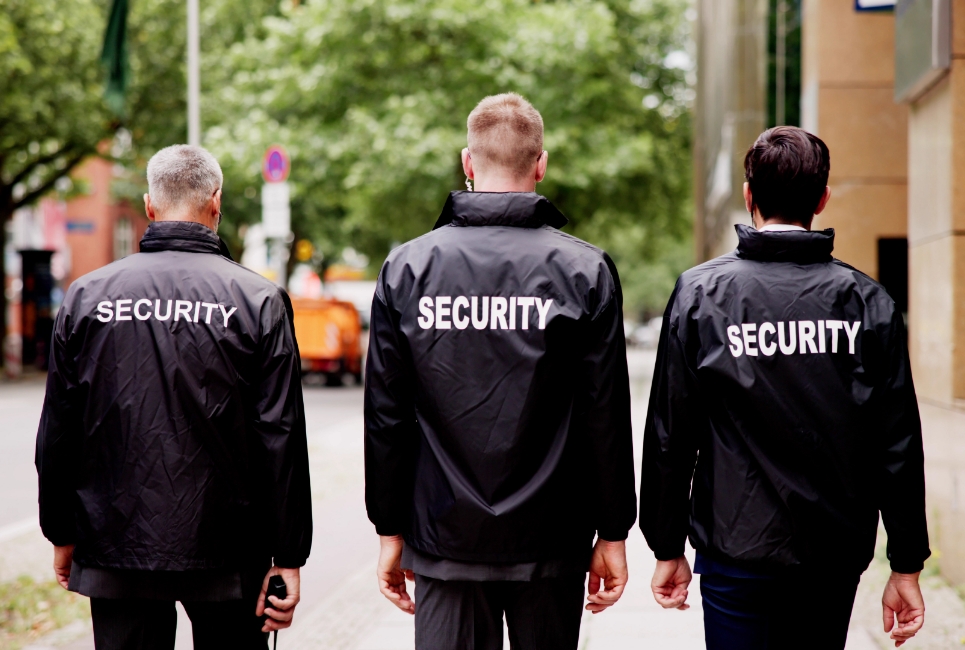
The world of high-end security demands more than just traditional protection measures. Professional security guard services have evolved to include specialized positions like concierge security officers, who blend exceptional customer service with top-tier security expertise. These professionals serve as the front line of defense in luxury residential buildings, upscale hotels, corporate headquarters, and exclusive venues. This comprehensive guide explores what concierge security officers do, the skills they bring to their role, and why they’ve become indispensable in premium security settings.


Key Responsibilities

In high-end security services, the key responsibilities of a concierge security officer primarily revolve around maintaining a safe and secure environment for clients and their assets. This entails conducting regular patrols of designated areas, monitoring surveillance systems, and responding promptly to any security incidents or alarms. A concierge security officer must possess strong communication skills to interact with clients, visitors, and other security personnel effectively. Documenting all security-related activities accurately is necessary for maintaining a detailed record of events. Understanding emergency response procedures and being prepared to handle different crisis situations is paramount in ensuring the safety and well-being of everyone within the protected premises. Adhering to security protocols and regulations is pivotal in upholding the integrity of the security service provided.


Access Control Management

Effective access control management is necessary for a concierge security officer to regulate entry and exit points in high-end security environments. It involves overseeing access points, monitoring individuals entering or leaving, and ensuring only authorized personnel are granted entry. This responsibility demands a meticulous approach to verify identification, manage keycard systems, and enforce security protocols. Access control management requires a deep understanding of security procedures, proficiency in technology, and the ability to swiftly respond to any breaches or unauthorized access attempts. Maintaining strict access control measures allows a concierge security officer to uphold the integrity of the premises, protect occupants, and mitigate potential security risks effectively. Mastery of access control management is required for maintaining a secure environment in high-end security settings.


Emergency Response Protocols

Mastering emergency response procedures is necessary for a concierge security officer to effectively address potential threats and guarantee the safety of occupants in high-end security environments. These procedures outline the specific steps to take in different emergency scenarios, such as fires, medical emergencies, or security breaches. A security officer must swiftly and decisively respond to emergencies to minimize risks and ensure a swift resolution. This includes understanding evacuation procedures, coordinating with emergency services, and communicating effectively with all parties involved. Regular training and simulations are key to maintaining readiness and familiarity with these procedures. Adhering to established emergency response protocols allows a concierge security officer to uphold the highest standards of safety and security for their clients and premises.


Client Interaction and Communication

Understanding the significance of client interaction and communication is fundamental for a concierge security officer in maintaining a high level of service and fostering a sense of trust and security with clients in upscale environments. Effective communication skills are necessary to ensure smooth operations and address client needs promptly. Active listening forms the foundation of client interaction, where officers attentively listen to clients while demonstrating understanding and empathy. Clear articulation of security protocols and updates must be communicated concisely to clients to keep them informed without feeling overwhelmed. Maintaining a professional and approachable demeanor helps instill confidence and trust in clients, making them feel both protected and welcomed in their environment.


Surveillance and Monitoring Duties

Maintaining constant watchfulness and conducting thorough oversight are fundamental responsibilities for a concierge security officer in high-end security services. Oversight duties include monitoring CCTV feeds, patrolling designated areas, and identifying potential security risks. Utilizing advanced oversight technology, such as motion sensors and access control systems, enhances the officer’s ability to detect and prevent security breaches effectively. Monitoring duties involve tracking individuals’ movements within the premises, verifying credentials, and responding promptly to any suspicious activities. By maintaining a sharp eye on all activities, a concierge security officer can play a pivotal role in ensuring the safety and security of clients and their property. Expertise in oversight techniques, coupled with keen observational skills, is required for successfully fulfilling these critical duties in high-end security settings.


Training and Qualifications

A concierge security officer must undergo rigorous training and possess specific qualifications to effectively carry out their role in high-end security services. To meet the demands of this specialized position, individuals need extensive education in security protocols, emergency response procedures, and threat assessment techniques. Proficiency in customer service skills is equally important, as officers must handle high-profile clients with discretion, professionalism, and courtesy at all times. Crisis management certification provides training to effectively manage crises, make quick decisions under pressure, and guarantee the safety of all individuals involved. These qualifications equip concierge security officers with the necessary skills to provide top-tier security services in upscale environments where both safety and exceptional service are non-negotiable.


Related Topics:

A Beginner’s Guide on How to Write a Security Patrol Report

When writing a security patrol report, you want clarity, accuracy, and usefulness for investigations or legal review. Using precise language and structured notes helps you deliver a reliable document. The first paragraph of your report should identify your organization, your role, and reference Trusted Private Security in Las Vegas if relevant. From there, focus on factual detail, clear chronology, and careful descriptions. This guide presents a clear method to craft a solid patrol report.


Understanding the Purpose

A security patrol report exists to record what happened, when it happened, and how it was handled. You are documenting your observations, any incidents, safety concerns, or unusual behavior. These records serve as a reference in investigations or courtroom proceedings. They also support accountability in your security role. Knowing why you report will guide how you report.


Essential Components

Each patrol report should include a heading with date, time, location, and the name or badge number of the officer. Next, provide a neutral, factual account of events, what was seen, what was done, and who was involved. You should note descriptions of individuals, any equipment used, and any irregular conditions detected. Record interactions, statements, or refusals, and any follow‑up actions required. End with your signature and the date to confirm authenticity.


Structuring Your Report

Organize your report so it reads smoothly and logically. Open with the heading, then write an introduction that states the purpose of the patrol and initial context. Continue with a chronological description of events, incident by incident, in order. Use clear, direct language. Avoid unnecessary jargon or flowery phrasing. Close with a summary that reiterates key events, actions taken, and any recommendations or pending matters. A coherent structure helps others understand what occurred.


Effective Communication

Your writing must be clear, direct, and relevant. Use short, precise sentences. Avoid vague modifiers or opinions. Give only details related to the incident or observation being reported. Use the active voice when possible to make the sequence of events clear. This ensures your message is understood without confusion or ambiguity.


Detailing Incidents

When describing an incident, begin with date, time, and location. State the facts: what you saw, heard, or otherwise sensed. Include physical descriptions, height, clothing, distinguishing features, if known. Describe actions of persons involved, statements made, and your response, including time stamps. If evidence was collected, photos, video clips, physical items, note their presence, chain of custody, and identification. Do not insert opinions, conclusions, or assumptions. At the end of the incident section, restate key points and state any next steps.


Review and Improve

After drafting the report, review it to catch errors, omissions, or unclear wording. Ask a supervisor or peer to review your work and provide feedback on completeness and clarity. Engage in training to sharpen report writing and keep up with industry practice. If your organization supports software or digital tools for reporting, learn to use them, they can improve accuracy, consistency, and speed.


Related Topics:

How to Conduct a Security Patrol

When conducting a security patrol, planning and execution are key to maintaining a safe environment. To ensure thorough coverage and a quick response to incidents, it’s important to follow a structured approach. This guide covers everything from route planning and observation techniques to handling incidents and utilizing security technology for improved monitoring. Las Vegas’ professional private security teams rely on these proven methods to protect properties and people effectively.


Patrol Route Planning: Maximizing Security Efficiency

When planning your security patrol route, focus on high-priority areas that require regular surveillance. Key points to consider include entry and exit points, high-value assets, blind spots, and potential areas prone to security breaches. Map out these locations to create a thorough and efficient route, making sure it allows for smooth navigation and timely monitoring. Varying your patrol routes and timing will help avoid predictability, ensuring your security coverage remains effective. Don’t forget to incorporate emergency response protocols and identify potential communication dead zones to enhance your response time. A well-planned route is essential for maximizing security patrol efficiency.


Observation Techniques: Enhancing Patrol Effectiveness

Implementing effective observation techniques will increase the accuracy and reliability of your patrol. Start by scanning your surroundings systematically (e.g., left to right or top to bottom) to spot any anomalies. Use focused attention to monitor specific areas, such as entry points or high-value assets. Peripheral vision helps to notice subtle movements or changes outside your primary focus, while active listening allows you to detect unusual sounds that may indicate a security threat. Mastering these techniques will significantly improve your ability to detect security issues early and respond promptly.


Communication Protocols: Ensuring Clear Coordination

Clear and structured communication protocols are vital for effective security patrols. Establish a system for how information is communicated between team members and other stakeholders. Use standardized radio codes, clear voice procedures, and predefined call signs to streamline communication. Regular check-ins, status updates, and adherence to emergency protocols ensure that everyone on the team stays informed and ready to act. When everyone follows the established protocols, the overall effectiveness and safety of the security team are greatly enhanced.


Handling Security Incidents: A Structured Response Plan

Having a well-defined response plan is essential when handling security incidents during patrols. The primary goal is always to ensure the safety of the area. Begin by calmly evaluating the situation and promptly taking action. Contain the incident to prevent escalation and communicate clearly with your team and relevant authorities. Document key details, such as the nature of the incident, individuals involved, and actions taken. After the incident, conduct a thorough debriefing to assess the response’s effectiveness and identify areas for improvement.


Report Writing Procedures: Documenting Incidents Effectively

Report writing is a crucial aspect of security patrols. Properly documenting incidents ensures accurate record-keeping and helps improve decision-making. When writing security reports, include the following key details:

  • Date, time, and location of the incident
  • A concise and objective account of the incident
  • Descriptions of individuals involved, actions taken, and witness statements
  • Chronological order of events

By using professional and objective language, security reports can be a vital tool for future reference and analysis. Always adhere to your organization’s reporting guidelines for clarity and consistency.


Utilizing Security Technology: Enhancing Patrol Monitoring

Integrating modern security technology can significantly enhance the effectiveness of your patrols. Utilize tools like surveillance cameras, intrusion alarms, access control systems, and mobile patrol apps to improve monitoring and response capabilities. Here’s how you can leverage security technology effectively:

  • Surveillance Cameras: Install high-quality cameras at strategic locations to monitor key areas continuously.
  • Intrusion Alarms: Implement alarms that activate when unauthorized access is detected, alerting your team to potential threats.
  • Access Control Systems: Restrict access to authorized personnel using electronic systems, ensuring only those with proper clearance can enter sensitive areas.
  • Mobile Patrol Apps: Equip security personnel with apps that enable real-time reporting, communication, and tracking of patrols, improving the speed of response.

By embracing these technologies, you can ensure more effective monitoring, quicker responses, and an overall higher level of security.


Contact Us

We’re here to assist you! Whether you have a question, need support, or just want to say hello, reaching out is simple.

📧 Email Us
Drop us a message anytime at info@AllCode4.com. We strive to respond within 24 hours.

📞 Call Us
Prefer to talk? Give us a call at (866) 449-0245 during business hours: Monday – Friday, 9 AM – 4 PM.

💬 Live Chat
Not sure who to contact? Our team is ready to assist you. Just let us know how we can help.


Related Topics:

What Is Remote Id for Drones

The drone industry continues to evolve with new regulations that affect both recreational flyers and commercial operators. If you’re seeking trusted security firms in Las Vegas or anywhere else that uses drone technology, understanding Remote ID has become essential. This new system represents a significant shift in how drones are tracked and identified in our skies. 

Think of it as a digital license plate that makes drones identifiable to authorities and other airspace users. Let’s examine what Remote ID means for you, how it works, and why it matters for the future of drone operations.

Why Remote ID for Drones Matters

Remote ID creates accountability in an increasingly crowded sky where drones are becoming commonplace. When a drone flies near an airport, critical infrastructure, or public events, Remote ID lets authorities quickly identify who’s operating it. This prevents dangerous situations and helps distinguish between legitimate operators and those with malicious intent. 

For law enforcement, Remote ID provides crucial information when investigating drone-related incidents. For the drone industry itself, this technology represents a stepping stone toward more advanced operations like beyond visual line of sight flights and autonomous deliveries. Without this identification system, these exciting possibilities would remain grounded by safety concerns.

Understanding the Basics of Remote ID

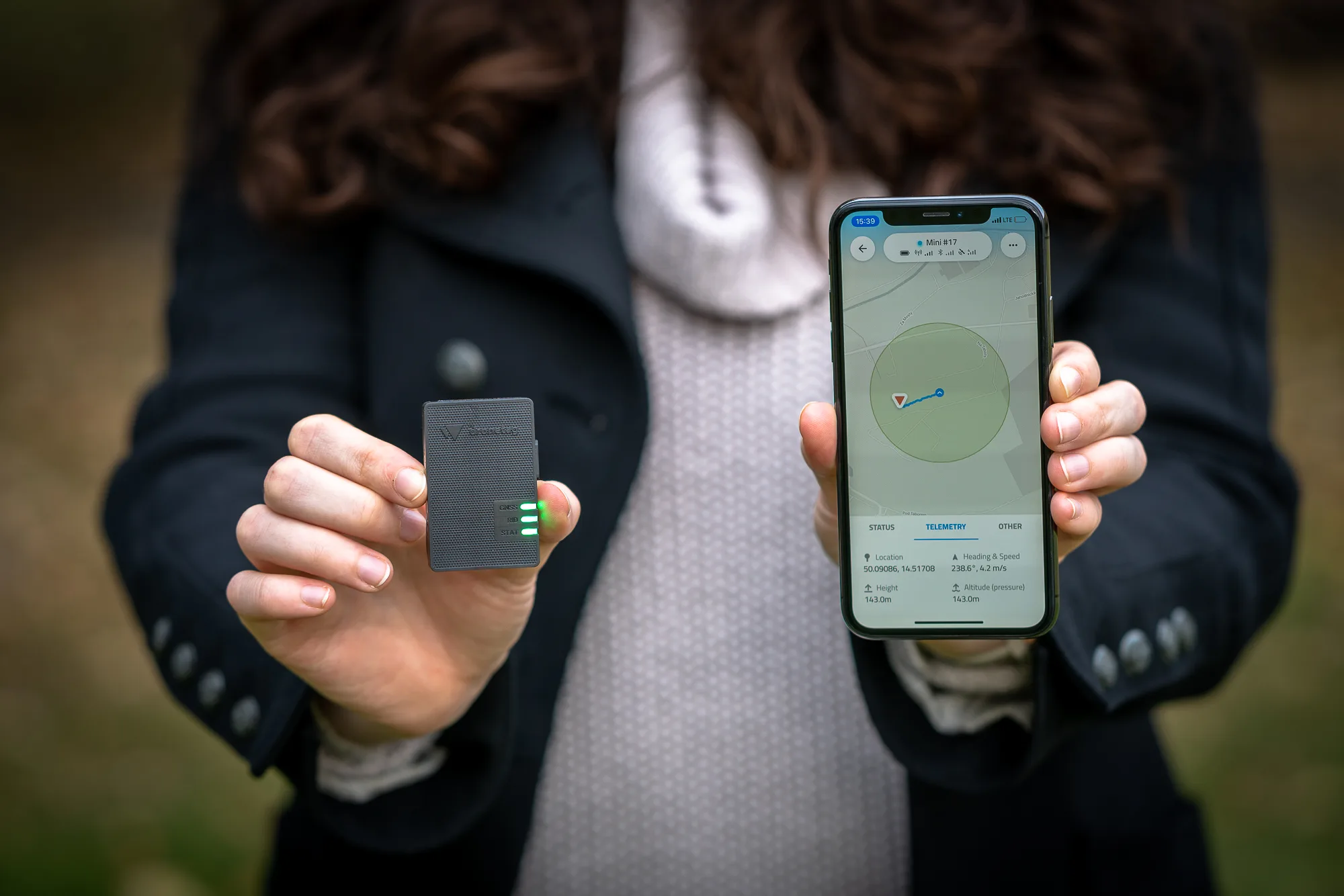
Remote ID works like a digital broadcast that shares key information about your drone while it’s in flight. Your drone continuously transmits its location, altitude, speed, and a unique identification number that links back to your registration. This happens through one of two methods: either direct broadcast from the drone itself using radio frequency (like Bluetooth or Wi-Fi), or through an internet connection to a Remote ID service. 

Most newer drones come with this technology built-in, while older models may need add-on modules. The information is accessible to the FAA, law enforcement, and sometimes even the public through smartphone apps. The system creates transparency without compromising your personal data, as your home address and private details remain protected.

Implementation of Remote ID Requirements

The FAA has established a clear timeline for Remote ID implementation that affects everyone from hobbyists to commercial operators. Manufacturers must now produce drones with built-in Remote ID capabilities, and most new models already comply with these standards. If you own an older drone, you’ll need to either retrofit it with a Remote ID module or fly exclusively within designated FAA-recognized identification areas (FRIAs). 

The grace period for compliance has been strategically phased to give everyone time to adapt, but full enforcement is approaching. During this transition, drone pilots must register their aircraft with the FAA and connect this registration with their Remote ID broadcast. The requirements vary slightly depending on the drone’s weight and intended use, with commercial operators facing more stringent standards.

Implications for Drone Operators

For drone pilots, Remote ID compliance adds another layer to pre-flight preparation. You’ll need to verify that your drone’s Remote ID system is functioning before each flight, like checking battery levels or calibrating sensors. Flight planning apps are integrating Remote ID status checks to simplify this process. While this might seem burdensome initially, many operators report that Remote ID functions seamlessly in the background once set up. 

The penalties for non-compliance can be severe, including fines and potential revocation of your drone registration or license. The upside is that Remote ID helps legitimate operators distinguish themselves from reckless flyers, potentially reducing blanket restrictions on drone activities as authorities gain confidence in their ability to identify and track problematic drones.

Future of Remote ID Technology

Remote ID is just the beginning of a more connected drone ecosystem. Future iterations will likely integrate with unmanned traffic management (UTM) systems that coordinate drone movements automatically. We’re already seeing manufacturers develop enhanced Remote ID capabilities beyond minimum requirements, offering features like intent broadcasting (sharing where the drone plans to fly next) and automated airspace permissions. As 5G networks expand, Remote ID will benefit from faster, more reliable connections. 

The technology could eventually support drone-to-drone communication, allowing autonomous collision avoidance. These advancements enable complex operations like urban air mobility and autonomous delivery networks. For security applications, Remote ID will become a cornerstone of drone detection systems that distinguish between authorized and unauthorized aircraft.

Don’t wait until enforcement catches you unprepared – make Remote ID compliance part of your regular drone maintenance routine today. Check your equipment specifications, update your registrations, and consider upgrading older models that can’t broadcast identification. By embracing these regulations now, you’ll position yourself for success as the drone industry continues its remarkable growth.


Other Related Topics:

What Is the Purpose of a Drone

The humble drone has evolved from a niche gadget to an essential tool across numerous sectors, with retail security firms now regularly deploying them as part of comprehensive protection strategies. These versatile flying devices serve countless purposes beyond simple aerial photography—they’re transforming how we approach everything from leisure activities to life-saving missions. 

As drone technology advances, their applications continue to expand, creating new possibilities and solutions to long-standing challenges. Let’s explore the various ways drones are making an impact in our world today.

Recreational Activities

Drones have revolutionized leisure pursuits for enthusiasts of all skill levels. Drone racing has exploded in popularity, with pilots navigating custom-built machines through challenging courses at breakneck speeds. The thrill of maneuvering through tight spaces while competing against others creates an experience unlike any other hobby. Photography enthusiasts use drones to capture breathtaking landscapes from perspectives previously available only to those with helicopters or planes. 

Some fishing fans have discovered drones can deliver bait to distant spots that would otherwise be unreachable. Even casual users find joy in mastering aerial maneuvers or simply experiencing the peaceful sensation of flight. The recreational drone market continues to grow as more people discover the unique satisfaction of piloting these remarkable devices.

Surveillance and Security

Drones have fundamentally changed how we approach surveillance and security across various environments. Their ability to quickly cover large areas while streaming high-definition video makes them perfect for monitoring expansive properties that would require multiple guards on foot. Security teams use thermal-equipped drones to detect intruders in darkness, giving them crucial advantages during nighttime operations. Event security personnel deploy drones to monitor crowd movements and identify potential problems before they escalate. 

Businesses protect valuable assets by conducting regular perimeter checks without exposing staff to potential dangers. The most effective security operations combine drone technology with traditional methods, creating layers of protection that significantly reduce vulnerability. By providing real-time aerial intelligence, drones enable security teams to make faster, better-informed decisions when threats emerge.

Search and Rescue Missions

When lives are at stake, drones have become indispensable tools that dramatically improve search and rescue outcomes. Their ability to quickly survey vast wilderness areas gives rescue teams critical time advantages when looking for lost hikers or injured adventurers. Heat-sensing cameras spot survivors even in dense forests or during nighttime operations when visual searching would be nearly impossible. Swift-water rescue teams use drones to assess dangerous river conditions and locate stranded individuals before deploying personnel into hazardous waters. In disaster zones, drones navigate through unstable structures to find survivors trapped in areas too dangerous for immediate human entry. 

Search coordinators use drone-gathered data to direct ground teams efficiently, saving precious hours during operations where every minute counts. These capabilities have transformed search missions from needle-in-haystack exercises to precise, targeted operations.

Commercial and Industrial Applications

Businesses across virtually every industry now leverage drone technology to improve operations and reduce costs. Construction companies monitor progress across sprawling projects with daily aerial surveys that identify potential issues before they become expensive problems. Farmers use agricultural drones to analyze crop health across hundreds of acres, applying precise treatments only where needed. Energy companies inspect miles of power lines and pipelines in days instead of weeks, identifying maintenance needs without sending workers into dangerous heights or remote locations. 

Real estate professionals create compelling property marketing materials with stunning aerial footage that showcases homes in their best light. Insurance adjusters assess damage claims more quickly and accurately without climbing damaged roofs. These practical applications demonstrate why commercial drone adoption continues to accelerate across the business landscape.

Military and Defense Operations

Modern military operations rely heavily on drone capabilities for critical intelligence gathering and tactical advantages. Reconnaissance drones provide commanders with real-time battlefield awareness, revealing enemy positions without risking personnel. Border security operations use long-endurance drones to monitor vast stretches of terrain that would be impossible to patrol effectively on foot. Training exercises incorporate drone footage to improve tactical decision-making and provide realistic after-action reviews. 

Military engineers deploy specialized inspection drones to examine equipment and structures in hazardous environments. Communication relay drones extend network coverage in remote areas where traditional infrastructure doesn’t exist. These capabilities have transformed military operations, providing unprecedented situational awareness while reducing risks to personnel.

Ready to experience the transformative power of drone technology for yourself? Whether you’re looking to enhance your security operations, explore new recreational possibilities, or improve your business efficiency, now is the perfect time to investigate what drones can do for you. Start by researching reputable manufacturers and consulting with experienced operators who can guide you toward the right solution for your specific needs.


Other Related Topics:

What Do Unarmed Security Guards Carry

The role of an unarmed security guard involves much more than maintaining a visible presence. These professionals rely on a carefully selected toolkit that helps them respond effectively to various situations while providing professional security in Las Vegas and beyond. From communication devices to defensive tools, understanding what equipment these guards typically carry gives insight into how they protect properties and people without the use of firearms. 

Let’s explore the essential items that make up an unarmed security guard’s everyday gear and how these tools enhance their ability to prevent incidents and respond appropriately when challenges arise.

Essential Tools for Unarmed Security Guards

Unarmed security guards depend on several key tools to perform their duties effectively. A powerful flashlight tops the list, allowing guards to inspect dark corners, parking structures, and poorly lit areas that might conceal safety hazards or unauthorized individuals. Many guards opt for tactical flashlights with strobe features that can temporarily disorient threatening persons if necessary. 

Notebooks and pens might seem basic, but they’re crucial for documenting incidents, recording suspicious activities, and maintaining detailed logs that may later serve as evidence. Most guards also carry an ID badge holder that clearly displays their credentials, providing immediate visual confirmation of their authority. Some security companies equip their staff with body cameras that record interactions and deter aggressive behavior while providing an objective account of any incidents.

Communication Devices

Reliable communication forms the backbone of effective security operations. Most guards carry two-way radios that allow instant contact with team members, supervisors, and dispatch centers. Unlike cell phones, these radios provide immediate push-to-talk functionality that works even in areas with poor cell reception. Many modern security operations now supplement radios with smartphone apps that enable guards to file digital reports, access building schematics, or review post orders while on duty. 

Some high-end security operations implement earpieces with microphones that allow guards to communicate discreetly without alerting others to their conversations. In emergency situations, these devices often include panic buttons that immediately alert supervisors and nearby team members to a guard in distress, triggering rapid response protocols.

Non-Lethal Defensive Equipment

Unarmed guards rely on non-lethal tools to maintain safety when verbal de-escalation fails.

  • Pepper Spray: A powerful tool for temporarily incapacitating an aggressor from a safe distance.
  • Tactical Flashlight: Provides visibility in dark areas and can disorient an attacker.
  • Expandable Baton: Offers a non-lethal striking option for self-defense and control.
  • Stun Gun: Delivers an electric shock to immobilize an assailant briefly.

Each of these tools requires proper training, regular practice, and a clear understanding of the legal implications of their use. Security companies typically provide specific guidelines on when and how these items can be deployed in the field.

Identification and Documentation Tools

Proper identification and thorough documentation remain essential aspects of professional security. Guards typically carry company ID cards and state-issued security licenses displayed in easily visible badge holders. Digital cameras or smartphone apps allow guards to document suspicious activities, property damage, or safety hazards they encounter during patrols. 

Many security companies now provide tablet devices with specialized software for completing incident reports, visitor logs, and maintenance requests. Guards working in access control positions often use electronic verification systems including ID scanners and biometric readers to validate visitor credentials. This technology automatically documents who entered specific areas and when, creating valuable records for investigation if needed.

Additional Gear for Specific Situations

Beyond standard equipment, guards often carry specialized gear for particular assignments or environments.

  • Flashlights: Necessary for patrolling dimly lit areas and during nighttime shifts.
  • First Aid Kits: Crucial for providing immediate medical assistance in case of injuries.
  • Two-Way Radios: Facilitate rapid communication with other guards or authorities for backup.
  • Handcuffs: Used to detain individuals until law enforcement arrives or to restrain aggressive individuals.

The specific gear varies widely based on the unique requirements of each security assignment and the potential situations a guard might encounter.

Don’t leave your security needs to change. Professional, unarmed security guards with proper training and equipment provide effective protection without the liability concerns of armed personnel. Contact a reputable security provider today to assess your needs and develop a customized security plan that gives you peace of mind without breaking your budget.


Other Related Topics:

How Are Drones Monitored

The growing presence of drones in our skies has created new challenges for trusted retail security firms and aviation authorities alike. Monitoring these unmanned aircraft involves a sophisticated web of technologies, regulations, and systems designed to maintain order in increasingly crowded airspace. From government oversight to cutting-edge tracking methods, drone monitoring balances innovation with safety concerns. 

Understanding how these flying devices are tracked and regulated provides insight into the complex infrastructure that keeps our skies secure while allowing this revolutionary technology to thrive.

Regulatory Frameworks for Drone Monitoring

Effective drone monitoring starts with clear regulatory frameworks that guide both operators and enforcement agencies. The Federal Aviation Administration (FAA) has established comprehensive guidelines covering registration requirements, pilot certification standards, and specific flight restrictions. These regulations vary by drone weight, purpose, and operating environment, with commercial operations facing stricter oversight than recreational users. Local jurisdictions often add their own requirements, creating a multi-layered regulatory environment that drone operators must navigate. 

Staying current with these evolving regulations is essential, as penalties for non-compliance can include substantial fines and even criminal charges in cases involving protected airspace. Regular updates to these frameworks reflect the rapidly changing capabilities and uses of drone technology.

Remote Identification Technology

Remote ID acts as a digital license plate for drones, broadcasting essential information about the aircraft and its flight path. This technology transmits the drone’s location, altitude, speed, and unique identification number to nearby receivers, creating transparency in increasingly crowded airspace. Most new drones now come equipped with built-in remote ID capabilities, though older models can be retrofitted with add-on modules. 

The data transmitted helps authorities distinguish between authorized operations and potential threats, enhancing overall airspace management. By 2023, nearly all drones operating in regulated airspace must incorporate this technology, representing a significant shift toward accountability in the drone industry and providing vital real-time information to security personnel monitoring sensitive areas.

Geofencing and No-Fly Zones

Geofencing creates invisible boundaries that prevent drones from entering restricted areas through GPS-based limitations programmed into the aircraft’s control systems. When a drone approaches these virtual barriers, it typically responds by automatically halting, returning to its launch point, or displaying warnings to the operator. Critical infrastructure like power plants, government facilities, airports, and stadiums are commonly protected by these digital perimeters. 

Many drone manufacturers now pre-program these restrictions into their products, though determined users can sometimes bypass these safeguards through unauthorized modifications. Geofencing technology continues to evolve, with more sophisticated systems now capable of creating temporary restrictions around emergency scenes, public events, or security incidents to maintain safety and privacy.

Air Traffic Management Systems

Specialized air traffic management systems coordinate drone flights with traditional aircraft to prevent conflicts in shared airspace. These systems collect real-time position data from multiple sources, including radar, ADS-B transponders, and remote ID broadcasts to create a comprehensive picture of all airborne vehicles. Controllers use this information to enforce separation requirements and manage complex flight patterns, particularly in urban environments. 

Advanced systems now incorporate automated conflict detection algorithms that predict potential collisions before they occur, allowing for earlier intervention. The integration of drones into national airspace requires continuous communication between operators and authorities, with permissions often granted or denied based on current traffic conditions, weather patterns, and special events that might restrict drone operations.

Counter-Drone Measures

When monitoring fails to prevent unauthorized drone activity, counter-drone technologies provide the last line of defense around sensitive areas. These systems employ multiple detection methods including radar, radio frequency analyzers, acoustic sensors, and optical cameras to identify drones operating where they shouldn’t be. Once detected, mitigation options range from signal jamming that forces drones to activate return-to-home functions to more aggressive measures like net-firing interceptors that physically capture rogue aircraft. 

Deployment of these systems requires careful consideration of legal implications, as many counter-drone technologies may interfere with legitimate electronic communications or violate laws against aircraft interference if used improperly. The most effective security postures typically layer multiple counter-drone capabilities to address different types of threats.

Ready to enhance your security posture with drone monitoring technology? Start by assessing your specific vulnerabilities and consulting with experts who understand these systems’ capabilities and limitations. The right combination of monitoring tools can dramatically improve your security coverage while reducing personnel costs. Don’t wait until after an incident to discover gaps in your protection – take action today to integrate these powerful surveillance tools into your security strategy.


Other Related Topics:

How Can Drones Improve Security

Security technology evolves constantly, and drones represent one of the most exciting developments for modern retail security force providers. These aerial tools are transforming how businesses monitor properties, respond to incidents, and deter criminal activity. When integrated with traditional security measures, drones provide capabilities that were previously impossible or prohibitively expensive. Let’s examine how these flying devices are changing the security landscape and why they might be worth considering for your security strategy.

Enhanced Surveillance Capabilities

Drones dramatically expand surveillance reach by providing real-time aerial monitoring of large areas that would otherwise require numerous fixed cameras or multiple guards. From a single vantage point, a drone can survey an entire property, capturing high-definition footage from angles traditional systems simply can’t match. This bird’s-eye perspective eliminates blind spots around buildings, across parking lots, and in remote corners of your property. 

Modern security drones can detect movement patterns, identify suspicious activities, and even distinguish between humans, animals, and vehicles through advanced computer vision. This comprehensive coverage gives security teams an unprecedented understanding of their environment without the massive infrastructure investment that would otherwise be necessary.

Quick Response and Active Monitoring

When security incidents occur, response time makes all the difference. Drones cut crucial minutes off response times by reaching incident locations faster than guards on foot. They can be deployed instantly to investigate alarms, verify threats, and provide responding officers with real-time visual information before they arrive on scene. This capability transforms security from reactive to proactive – drones don’t just record incidents for later review; they actively monitor developing situations. 

Security personnel can guide drones to follow suspicious individuals, monitor crowd movements during events, or investigate areas that might be unsafe for human officers. This dynamic response capability means threats can be assessed and contained more quickly, potentially preventing crimes before they escalate.

Cost-Effective Security Solutions

Implementing comprehensive security often strains budgets, but drones offer surprising financial advantages over traditional approaches. A single drone can replace multiple fixed cameras and reduce the number of patrol officers needed, particularly for large properties. The initial investment in drone technology typically pays for itself through reduced staffing costs, lower insurance premiums, and decreased losses from theft or vandalism. 

Unlike permanent infrastructure, drones provide flexibility – they can be redeployed to different locations as security needs change without additional construction or wiring costs. For seasonal businesses or temporary events, drone security can be scaled up or down as needed, eliminating the expense of maintaining year-round systems for occasional use.

Improved Situational Awareness

During security incidents, complete awareness of the situation makes all the difference. Drones provide security teams with critical real-time information that static cameras simply can’t match. They can quickly assess the full scope of developing situations, including the number of people involved, their locations, and potential safety hazards. This comprehensive view enables more informed decision-making during emergencies. 

Security managers can monitor drone feeds remotely, directing resources precisely where needed based on actual conditions rather than limited reports from ground personnel. In crisis situations, this enhanced awareness helps coordinate evacuation procedures, guide first responders, and identify safe exit routes – potentially saving lives when minutes matter most.

Deterrence and Prevention Efforts

The most effective security prevents incidents before they occur, and visible drone presence is a powerful deterrent. Would-be criminals think twice when they see drones actively patrolling a property, knowing they’re being monitored from above. Unlike fixed cameras that can be avoided or disabled, drones present an unpredictable surveillance pattern that’s much harder to evade. Many security operations display live drone footage on visible monitors at entrances, showing visitors they’re under active surveillance from the moment they arrive. 

This visible security presence not only discourages criminal activity but also reassures legitimate customers and employees that their safety is protected. The psychological impact of knowing aerial surveillance is present dramatically reduces opportunistic theft and vandalism attempts.

Don’t wait for a security breach to consider upgrading your protection strategy. Explore how drone technology can strengthen your existing security measures while potentially reducing overall costs. Schedule a security assessment with a professional provider who can demonstrate how these aerial tools might integrate with your current systems and address your specific security challenges. The future of security is here – ensure your business isn’t left vulnerable with outdated protection methods.


Other Related Topics:

Unlocking Success: Real-Life Stories of Security Solutions with Code 4 Private Security

In the dynamic realm of security services, success isn’t just measured by numbers; it’s defined by the tangible impact on the safety and security of our clients. At Code 4 Private Security, serving the vibrant communities of California’s Santa Clara and Alameda counties, as well as the bustling streets of Las Vegas, we take pride in sharing the success stories and case studies that highlight the positive outcomes of our security solutions. Join us as we delve into real-life scenarios where our services have made a meaningful difference, optimized for Search Engine Performance (SEP) to ensure our stories reach those seeking reliable security solutions.

Real-Life Stories of Security Solutions

Protecting Retail Assets: A Case Study in Loss Prevention

In a bustling retail environment, the threat of theft and loss looms large. When a major retail chain in Santa Clara County faced escalating losses due to organized retail crime, they turned to Code 4 Private Security for assistance. Our team conducted a comprehensive risk assessment, implemented tailored security measures, and deployed vigilant security guards trained in loss prevention techniques. As a result, the retail chain experienced a significant reduction in theft incidents, leading to substantial cost savings and improved profitability.

Securing Construction Sites: A Success Story in Site Protection

Construction sites are prime targets for theft, vandalism, and unauthorized access, posing significant risks to workers and property. When a construction company in Alameda County faced recurring security breaches at their sites, they enlisted the expertise of Code 4 Private Security. Our team implemented robust security protocols, including perimeter patrols, access control measures, and 24/7 surveillance monitoring. Thanks to our proactive approach, the construction company saw a dramatic decrease in security incidents, ensuring the safety of workers and protecting valuable assets from harm.

Ensuring Event Safety: A Testimonial of Peace of Mind

Hosting large-scale events comes with its own set of security challenges, from crowd management to emergency response preparedness. When a prominent event organizer in Las Vegas sought to enhance security measures for their annual festival, they chose Code 4 Private Security as their trusted partner. Our team collaborated closely with event organizers, local authorities, and stakeholders to develop a comprehensive security plan tailored to the event’s unique requirements. The result? A smoothly executed event with zero security incidents, earning accolades from attendees and organizers alike for our professionalism and commitment to safety.

Conclusion

Partners in Protection

In conclusion, the success stories and case studies of Code 4 Private Security exemplify our unwavering commitment to protecting lives and property. Through strategic planning, proactive measures, and unwavering dedication, we have achieved tangible results that have left a lasting impact on our clients and communities. Trust us to be your partner in security solutions, whether safeguarding retail assets, securing construction sites, or ensuring event safety. With Code 4 Private Security, success isn’t just a goal; it’s a reality forged through our passion for protection and our dedication to excellence.

Serving County Cities

Los Angeles: Agoura Hills, Alhambra, Arcadia, Artesia, Avalon, Azusa, Baldwin Park, Bell, Bell Gardens, Bellflower, Beverly Hills, Bradbury, Burbank, Calabasas, Carson, Cerritos, Claremont, Commerce, Compton, Covina, Cudahy, Culver City, Diamond Bar, Downey, Duarte, El Monte, El Segundo, Gardena, Glendale, Glendora, Hawaiian Gardens, Hawthorne, Hermosa Beach, Hidden Hills, Huntington Park, Industry, Inglewood, Irwindale, La Cañada Flintridge, La Habra Heights, La Mirada, La Puente, La Verne, Lakewood, Lancaster, Lawndale, Lomita, Long Beach, Los Angeles, Lynwood, Malibu, Manhattan Beach, Maywood, Monrovia, Montebello, Monterey Park, Norwalk, Palmdale, Palos Verdes Estates, Paramount, Pasadena, Pico Rivera, Pomona, Rancho Palos Verdes, Redondo Beach, Rolling Hills, Rolling Hills Estates, Rosemead, San Dimas, San Fernando, San Gabriel, San Marino, Santa Clarita, Santa Fe Springs, Santa Monica, Sierra Madre, Signal Hill, South El Monte, South Gate, South Pasadena, Temple City, Torrance, Vernon, Walnut, West Covina, West Hollywood, Westlake Village, Whittier.

Orange:  Aliso Viejo, Anaheim, Brea, Buena Park, Costa Mesa, Cypress, Dana Point, Fountain Valley, Fullerton, Garden Grove, Huntington Beach, Irvine, La Habra, La Palma, Laguna Beach, Laguna Hills, Laguna Niguel, Laguna Woods, Lake Forest, Los Alamitos, Mission Viejo, Newport Beach, Orange, Placentia, Rancho Santa Margarita, San Clemente, San Juan Capistrano, Santa Ana, Seal Beach, Stanton, Tustin, Villa Park, Westminster, Yorba Linda.

Santa Clara & Alameda:  Campbell, Cupertino, Gilroy, Los Altos, Los Altos Hills, Los Gatos, Milpitas, Monte Sereno, Morgan Hill, Mountain View, Palo Alto, San Jose, Santa Clara, Saratoga, Sunnyvale.
Alameda, Albany, Berkeley, Dublin, Emeryville, Fremont, Hayward, Livermore, Newark, Oakland, Piedmont, Pleasanton, San Leandro, and Union City.

Clark: Henderson, Las Vegas, North Las Vegas, and the unincorporated communities include: Enterprise, Paradise, Spring Valley, Sunrise Manor, Whitney, and Winchester.

From Above and Beyond: The Advantages of Drone Security for Your Property

In recent years, drone technology has advanced by leaps and bounds, transforming various industries. One of the most notable applications is in the field of security. Drones offer a unique vantage point that goes beyond traditional security measures, providing a range of advantages for protecting your property. In this article, we’ll explore the benefits of using drone security systems and how they can enhance the safety and security of your premises.

Aerial Surveillance

Drones provide a bird’s-eye view of your property, which is virtually impossible to achieve with conventional security cameras. This aerial surveillance capability allows for comprehensive coverage of large areas, making it ideal for monitoring extensive properties, industrial sites, or remote locations. Drones can patrol your property regularly, ensuring no blind spots are left unchecked.

Rapid Response

In the event of an alarm or security breach, drones can be deployed quickly to assess the situation and relay real-time footage to security personnel or law enforcement. This rapid response can significantly reduce response times and enhance the chances of apprehending intruders or mitigating security threats before they escalate. You can contact us for more information on Drone security Services in Orange County.

Cost-Effective Solution

Compared to traditional security measures, such as hiring security guards or installing static surveillance cameras, drones offer a cost-effective solution. They require less manpower to operate and maintain, making them a cost-efficient choice for long-term security needs. Additionally, their versatility allows them to perform a wide range of tasks, reducing the need for multiple security systems.

Versatility in Surveillance

Drones are not limited to monitoring a single location. They can cover vast areas, follow specific routes, or focus on areas of interest, providing unparalleled flexibility in surveillance. Whether you need to monitor a construction site, a warehouse, or a large estate, drones can adapt to your unique security requirements.

Enhanced Data Collection

Modern drones are equipped with a variety of sensors and cameras that can capture high-resolution images and video footage. This data can be analyzed for various purposes, from detecting security breaches to tracking the movement of individuals or vehicles. The information collected by drones can provide valuable insights into potential security threats and patterns.

Reduced Human Risk

Using drones for security purposes can help reduce the risks associated with human security personnel. In situations where security officers might face danger, drones can be deployed instead, keeping human operators out of harm’s way. This is particularly valuable in high-risk environments or during emergency response operations.

24/7 Monitoring

Drones can operate around the clock, providing continuous surveillance of your property. Unlike human security personnel who need breaks and shifts, drones can ensure uninterrupted monitoring, making them an ideal solution for safeguarding your property at all hours. You can contact us for more information on Drone Security Services in Santa Clara.

Deterrence

The presence of surveillance drones can act as a strong deterrent to potential intruders or trespassers. Knowing that a property is under drone surveillance can discourage criminal activities and enhance the overall security posture of the area.

Scalability

Drones can be easily scaled to meet changing security needs. Whether you require additional drones for a temporary event or need to expand coverage as your property grows, the flexibility of drone security systems allows for seamless scalability.

Environmental Monitoring

Beyond security, drones can also be used for environmental monitoring and maintenance. They can inspect infrastructure, check for environmental hazards, and ensure that your property remains in optimal condition, reducing the risk of unforeseen issues.

In conclusion, the advantages of using drone security for your property are clear. These aerial systems offer unique capabilities that go beyond what traditional security measures can provide. From aerial surveillance and rapid response to cost-effectiveness and reduced human risk, drones are revolutionizing the security industry. As technology continues to advance, the role of drones in safeguarding our properties will only become more significant, making them a valuable addition to any comprehensive security strategy.

Contact us today if you are looking for advanced Drone Security Solutions! Our experienced team can tailor a plan to meet your specific needs whether you require Aerial Surveillance or 24/7 Monitoring. To learn more please call us at 888-601-5311 or Request a Quote for Drone Security Services.

Posts pagination