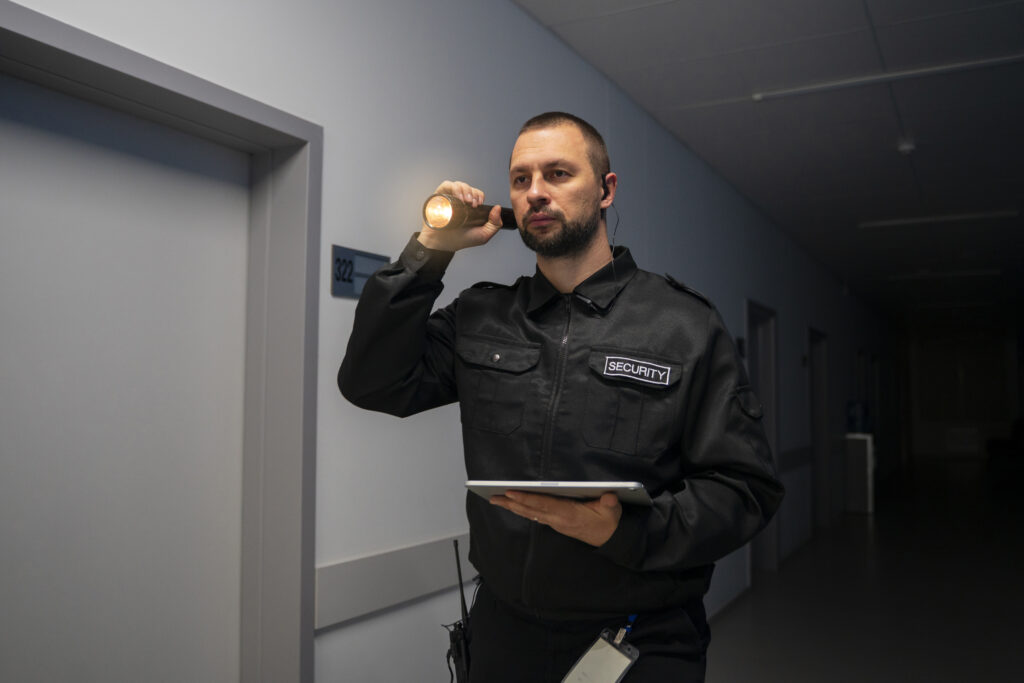
Being a security guard isn’t just standing around or watching monitors. Every day brings something different, and part of the job is staying alert and ready. We handle everything from checking who comes in and out, to walking the property, to helping visitors who might be lost or confused. With dependable security services, the idea is to keep things safe without making people feel like they’re under constant watch. It’s a careful balance, and you learn to read situations quickly.
Access Control and Monitoring
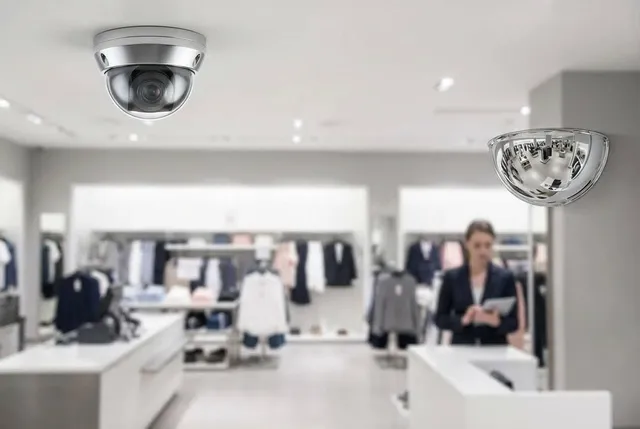
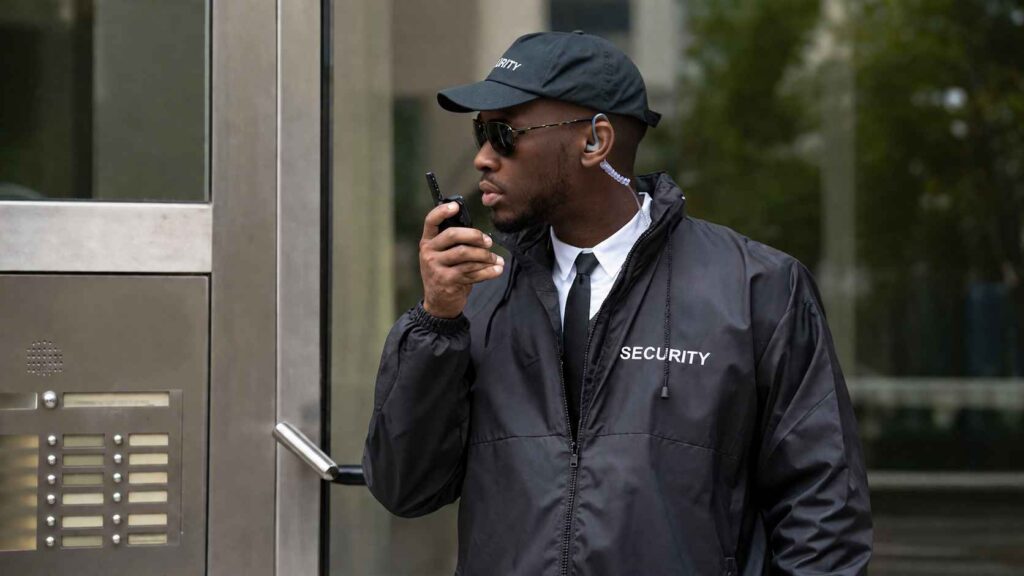
One of the first things people notice about a guard is how they control access. We check IDs, make sure visitors have permission, and keep an eye on entry and exit points. Sometimes it’s routine, but sometimes small things pop up, someone leaves a door open, or someone forgets a badge, and that’s when being alert really matters. Surveillance cameras help, sure, but nothing replaces paying attention yourself. Stopping a potential problem before it starts is a big part of the role.
Patrolling and Surveillance
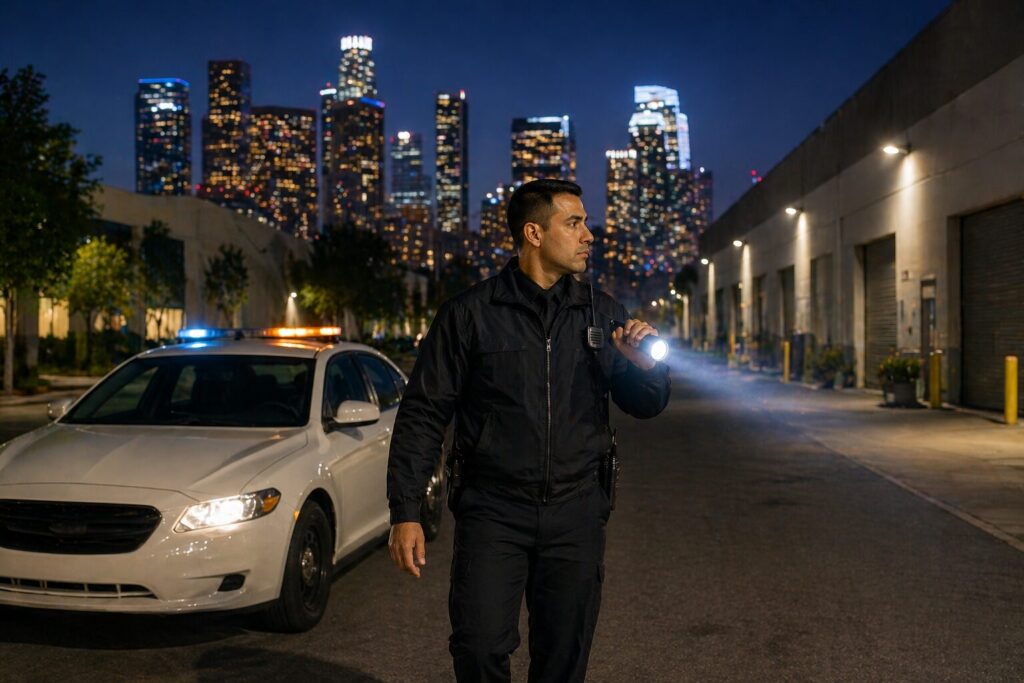
Patrolling isn’t just walking in circles. You notice details most people wouldn’t: a door that doesn’t lock properly, an unattended package, or someone lingering too long in a corner. Cameras cover blind spots, but you’re the one connecting the dots. It helps to keep notes, even just a line or two about what you saw. Later, those notes can be a lifesaver if something happens. The combination of moving around and watching feeds keeps the place secure and reassures staff and visitors that someone’s paying attention.
Emergency Response and Intervention
Emergencies are unpredictable. It could be a minor spill, a medical situation, or something more serious like a break-in. The key is staying calm and thinking fast. You assess the situation, act, and call for help if needed. Knowing where alarms, exits, and first-aid kits are makes a huge difference. Sometimes, it’s just a matter of keeping people calm while the professionals arrive. That steady presence matters more than most people realize.
Report Writing and Documentation
Writing reports might sound boring, but it’s one of the most important parts of the job. Every incident, no matter how small, gets documented: who was involved, what happened, when it happened, and where. Reports need to be clear, factual, and neutral, no opinions, just what actually happened. Doing it soon after the incident makes them reliable, and sometimes they’re the key record for management or even law enforcement later on.
Crowd Management and Assistance
Handling a crowd isn’t about bossing people around; it’s about keeping things orderly and safe. You watch for tension, make sure exits aren’t blocked, and help people who need directions or assistance. Calm communication is critical. Even a few kind words can prevent a situation from escalating. Security work isn’t just about preventing problems, it’s also about helping people feel safe and supported.
Collaborating With Law Enforcement
We often work alongside police or emergency responders. They rely on guards for details about what’s happening on the ground. Sharing what we see, helping direct people, and supporting their response all make the site safer. It’s teamwork in action: guards handle what’s on-site immediately, and law enforcement backs it up if things get serious. That cooperation keeps everyone safer and prevents situations from spiraling out of control.
Related Topics: