
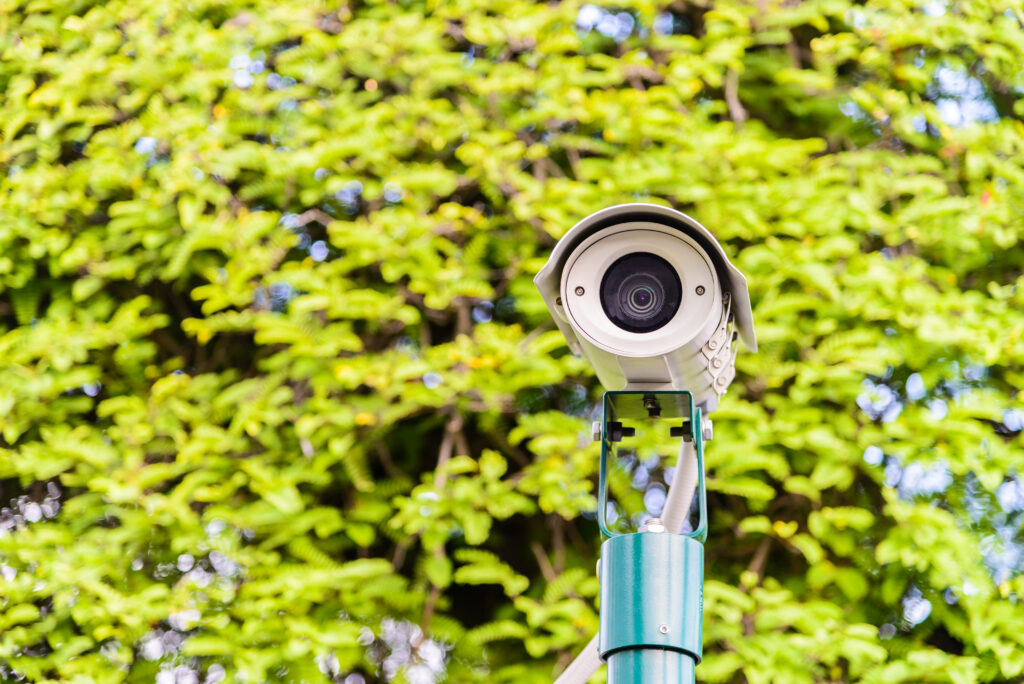
Nobody wants to see a mess of cables running along their walls. It just looks sloppy. Whether you’re installing cameras at home or dealing with professional hotel security services, how you handle the wiring matters almost as much as the cameras themselves. Exposed cables don’t just look bad, they’re easier to tamper with, they collect dust, and honestly, they make even the best security setup look cheap. The good news is that there are several ways to hide them properly without needing a contractor.
Cable Management Clips
These little clips are probably the easiest fix. You can opt for adhesive ones if you don’t want to drill holes, or choose screw-mounted ones if you need something more permanent. Determine the route of your cable first. Bundle it up, stick your clips along the route (don’t space them too far apart or you’ll get sagging), then snap the cable in. A typical run lasts about 20 minutes. The adhesive ones work fine for most indoor situations, but I’d use screws for anything that might get bumped or pulled.
PVC Conduit Installation
Conduit is more work, but it’s basically bulletproof once it’s up. You’re essentially building a tunnel for your cables. Ensure you purchase conduit that’s sufficiently large, cramming too many cables into a small pipe is a nightmare. Mount it with brackets every few feet to prevent it from flexing. Here’s something people forget: seal where the conduit enters and exits. Water and dust will get in otherwise. Throw in a junction box or two along the run if it’s a long distance. That way, when you inevitably need to fish another cable through later, you won’t hate yourself.
Wall Mount Cable Covers
Cable covers are that middle ground between clips and conduit. They sit right on your wall, and most come in white or off-white; however, you can find other colors if you look. Installation is dead simple: mark where you want it, screw it in, insert your cables, and snap the cover on. Pick a color that doesn’t stick out like a sore thumb against your walls. Some of these covers have rounded edges that look way better than the old-school flat rectangular ones. Position them along baseboards or corners where they’re less noticeable.
Outdoor Cable Raceways
Once you head outside, regular cable covers won’t cut it. Rain, sun, and freezing temperatures, all that stuff, destroy standard plastic pretty quickly. Outdoor raceways are built differently. The material is UV-resistant and won’t crack when exposed to cold temperatures. They’re not cheap, but they last a long time. Installation is similar to that of indoor covers; just ensure you’re drilling into a solid surface. I’ve seen people mount these to vinyl siding and then wonder why they fall off after a year. Find the studs or use proper anchors.
Camouflage With Foliage
This one’s kind of fun if you’ve got the right landscaping. Run your cable up a tree trunk or through a hedge, use some dark zip ties to hold it in place, and boom, it basically disappears. Works great with ivy or dense shrubs. Just don’t strangle the plant with your ties. Keep the cable on the side of the trunk that faces away from where people usually walk. You’ll need to check it every few months since plants grow and move around. Not the most permanent solution, but for backyard cameras, it looks way more natural than having a bright white cable running down your brick.
In-Wall Cable Routing
This is the cleanest option, but also the biggest pain. You’re cutting into drywall, fishing cables through walls, and dealing with insulation. If you’ve never done it before, consider watching a few videos first or hiring someone. The payoff is cables that completely vanish. Use fish tape or a fish stick to pull the cable through. A conduit inside the wall is smart if your local code allows it, making future changes way easier. Patch and paint your holes properly. A sloppy drywall patch looks worse than just leaving the cable exposed. If you have an attic or crawlspace, that makes the job a lot less painful since you can drop down from above instead of fishing horizontally through the studs.
Related Topics:
- Effective Techniques to Keep Outdoor Security Cameras Out of Sight
- How To Secure Your Security Cameras Against Unauthorized Access