
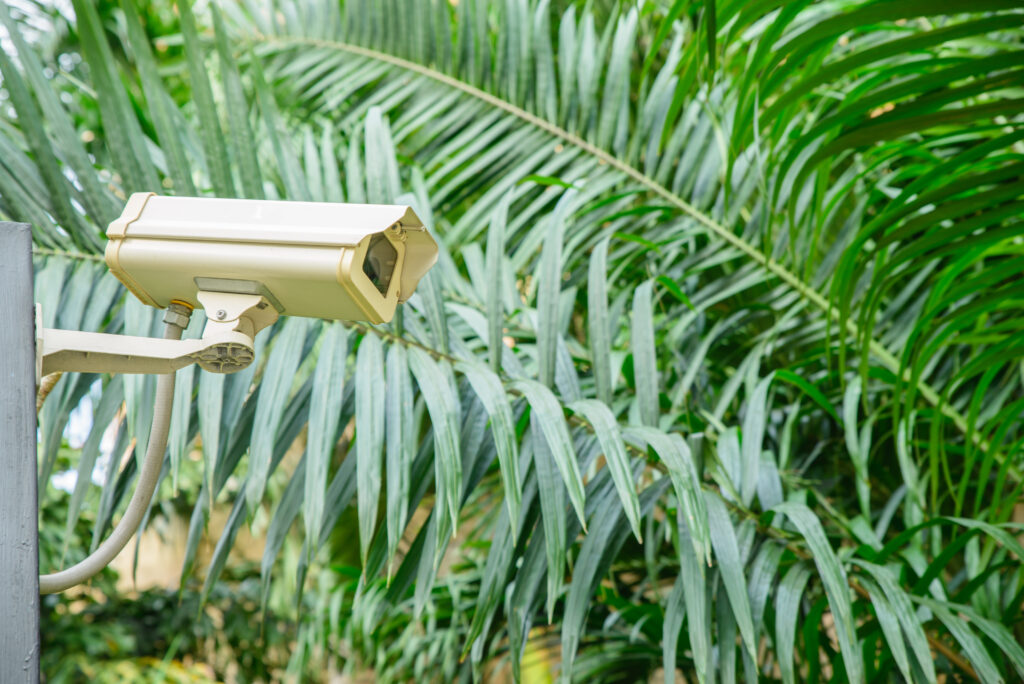
Bugs all over your security cameras? Yeah, it’s annoying as hell. Whether you’re working with trusted security guard professionals in Las Vegas or managing your own setup, insects often find a home around surveillance equipment. The heat from the cameras attracts them, and before you know it, you’ve got spider webs blocking your view and moths triggering false alarms at 3 AM. But there’s actually stuff you can do about it.
Weatherproofing helps, certain lights keep them away, and even some plants work better than you’d think. Here’s what actually works based on what people have figured out through trial and error.
Weatherproofing Your Cameras
Look, weatherproofing isn’t just about rain. It’s about keeping all the outdoor nastiness away from your equipment. Silicone sealant is inexpensive and works well for sealing gaps where bugs might crawl in. Waterproof conduits for your cables are a must – trust me on this one. And get weather-resistant housing, the kind made from polycarbonate that can handle sun damage and whatever else nature throws at it.
Check everything periodically to ensure it’s holding up. Weather strips wear out, seals crack, and suddenly you’ve got problems. Taking an hour every few months to inspect your setup beats replacing a fried camera.
Installing Insect-Repellent Lights
These lights are honestly genius. They emit wavelengths that bugs hate, so they avoid the area. No chemicals, no mess, just light that works differently.
Here’s why they’re worth it: Your footage stays clear because nothing’s flying in front of the lens. You stop getting motion alerts every time a moth does laps around your camera. And your equipment lasts longer since insects aren’t getting inside and causing damage. It’s one of those things that seems too simple to work but actually does.
Regular Cleaning and Maintenance
Nobody likes cleaning, but cameras need it. Dust and bug guts build up fast, and suddenly your crystal-clear 4K camera looks like you’re filming through a dirty windshield.
Grab a soft brush or microfiber cloth – nothing scratchy. Wipe down the lens every couple of weeks, or more if you’re in a buggy area. While you’re up there, check for loose wires, water damage, or plants growing too close to the wires. Overgrown bushes create perfect bug hangouts right where you don’t want them. Five minutes of maintenance now saves you from bigger headaches later.
Using Essential Oils as Deterrents
Essential oils aren’t just for yoga studios. They actually work for keeping bugs away. Lavender smells nice to us, but mosquitoes and flies can’t stand it. Peppermint is even stronger – it’ll keep ants, spiders, and mice away from your cameras. And citronella, the same stuff that’s in those outdoor candles, works wonders on mosquitoes.
Mix any of these with water in a spray bottle. Spray around your camera mounts every week or two. Natural solution that doesn’t involve chemicals or calling an exterminator.
Strategic Placement of Plants
Plants as pest control? Sounds weird, but it works. Lavender, mint, and marigolds all put off scents that bugs avoid. The trick is planting them close to your cameras without blocking the view.
Keep them near the base of wherever your camera’s mounted. Think of it like creating a smell barrier that insects don’t want to cross. You’ll need to trim them regularly so they don’t get out of control, but that’s true for any landscaping. Bonus: your property looks better, and you’ve got natural bug repellent. Win-win.
Professional Pest Control Services
Sometimes you just need to call in someone who does this for a living. Pest control pros can identify exactly what bugs you’re dealing with and hit them with targeted treatments. They’re not just killing the bugs you see now – they’re setting things up so new ones don’t move in.
The good companies use methods that won’t harm your equipment or the environment. Yeah, it costs money, but if you’re constantly dealing with bug problems, it’s worth it for the long-term fix. Think of it as preventive maintenance for your security system.
Related Topics: