
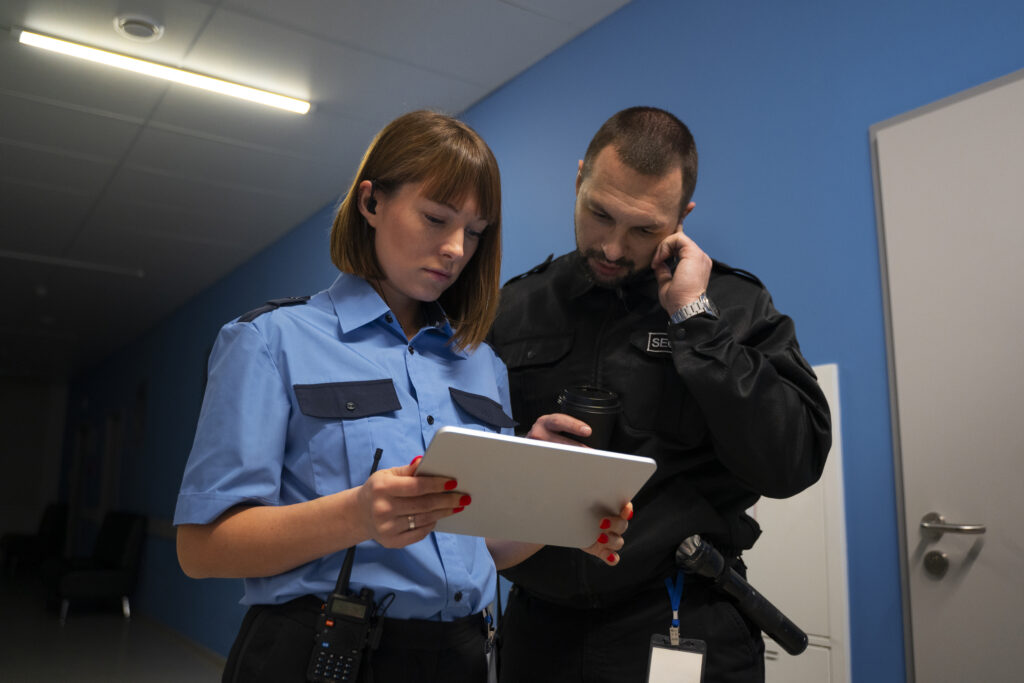
Look, if you work in top private security services or any security role, you’re going to write incident reports. A lot of them. And here’s the thing, most people overthink it or rush through it, which creates problems later. A good incident report isn’t complicated, but it needs to be done right. This post breaks down exactly what you need to include, how to organize your thoughts, and why certain details matter more than others. Whether it’s your first week on the job or you’ve been doing this for years, these tips will help you create reports that actually hold up when someone needs them.
Incident Report Overview
Incident reports are basically your insurance policy. Something happens on your watch, you document it. Simple as that. You need the basics covered, when it happened, where it happened, what actually went down. Get names and contact info for anyone involved or anyone who saw it. Then write down what you did about it. The big rule here? Stick to facts. Don’t guess. Don’t assume. Don’t editorialize. Just write what you saw and what you did. These reports can become part of investigations or even end up in court, so keeping them clean and factual protects everyone.
Gathering Information
Here’s where most people mess up, they don’t collect enough information while it’s fresh. You’ve got to grab details immediately. Date and time are obvious, but be specific about the location too. “Front entrance” isn’t enough if your building has three of them. Get full names of everyone involved, not just “some guy in a red shirt.” If they have ID, write down those details. Witnesses are gold, so get their info and a quick statement if you can. What led up to the incident? What happened during? What happened after? If there’s physical evidence, damaged property, dropped items, security footage, note it all down. Your memory will fail you later, so collect everything now.
Writing the Narrative
This is where you tell the story, but keep it boring. Seriously. No drama, no opinions, just “this happened, then this happened, then this happened.” Start with what was going on before anything went wrong. Then walk through the incident step by step. Who did what? What did you see? What did you hear? If you took action, explain exactly what you did. Use plain language. “The individual became verbally aggressive” works better than trying to sound like a lawyer. Keep it chronological. Don’t jump around. Someone reading your report shouldn’t have to piece together a timeline themselves; you do that work for them.
Including Key Details
Details matter. Like, a lot. You need the obvious stuff, date, time, location. But also describe people accurately. Height, weight, clothing, distinguishing features. If someone’s refusing to cooperate, write that down. If they’re injured, document it. Did you call the cops? Note the time and who you spoke to. Did you administer first aid? Explain what you did. Find evidence at the scene? Describe it and what you did with it. The more specific you are, the more useful your report becomes. Vague reports are useless reports. “Around 3pm” and “near the back” don’t help anyone later.
Ensuring Accuracy
Getting it right beats getting it done fast. Double-check your facts before you submit anything. Did you spell names correctly? Are times accurate? Is the sequence of events actually in order? Read through your narrative and make sure you’re not making assumptions. “The suspect appeared intoxicated” is an assumption unless you have specific observations like slurred speech or alcohol smell. Stick to what you directly observed. If something doesn’t add up, fix it now, not after someone questions your report. Accuracy isn’t just about covering yourself; it’s about being professional and reliable.
Review and Submission
Before you hit submit, take five minutes to review everything. Read it like you’re seeing it for the first time. Does it make sense? Is anything missing? Check for typos, they make you look sloppy. Make sure your report matches your organization’s format and policies. Some places want specific sections filled out, while others are more flexible. If you took notes during the incident, compare them against your report to catch anything you forgot. Once you’re confident it’s complete and accurate, send it through proper channels. Keep a copy for yourself if possible. You might need to reference it later if there are follow-up questions or an investigation.
Related Topics: