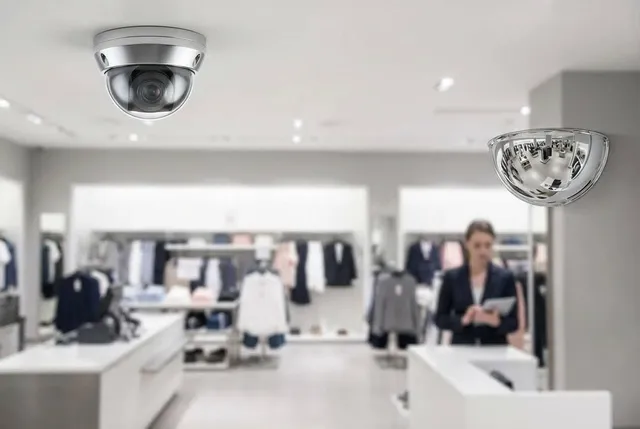
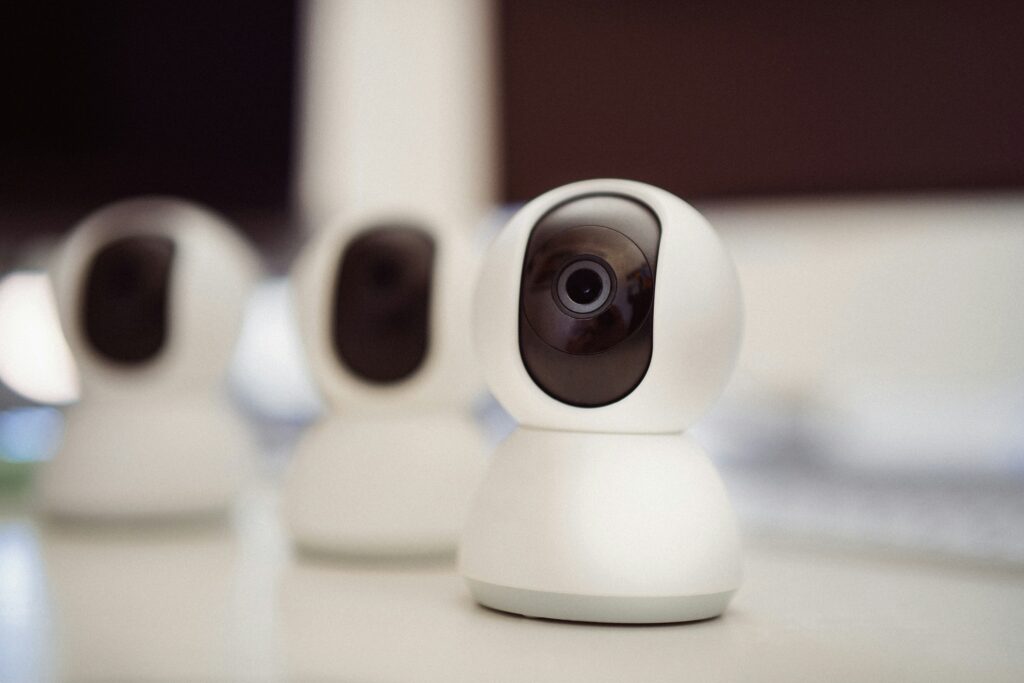
Choosing the right security setup can be overwhelming due to the numerous options available. Whether you’re upgrading your home’s protection or working with an elite private security company to outfit a larger property, the debate between wired and wireless systems often arises. Both have their strengths, and what works for your neighbor might not work for you. This guide breaks down what actually matters, installation complexity, the dependability of each system, where you can place cameras, your budget, and the coverage you can achieve. By the end, you’ll know which setup makes sense for your space.
Installation Ease
Wireless cameras win here, hands down. You can basically mount them wherever you want without worrying about running cables through walls or ceilings. No need to fish wires through tight spaces or drill holes everywhere. Most people can handle the setup themselves in a matter of hours or an afternoon. The flexibility is nice too, if you realize a camera works better somewhere else, just unmount it and move it. Renters, in particular, appreciate this since you’re not permanently altering the property. Wired systems? They’re more involved. You’ll probably need someone who knows what they’re doing to run those cables properly, which adds time and hassle to getting everything up and running.
Reliability
Here’s where wired cameras shine. That physical connection means you get consistent performance without worrying about Wi-Fi hiccups or signal drops. The feed remains strong regardless of the number of devices using your network. The downside? If the power goes out and you don’t have a backup battery system, you’re in the dark. Wireless cameras rely on your internet connection, so if your router is struggling or experiencing interference from other electronics, you may notice lag or disconnections. Distance from the router matters too, the farther away, the weaker the signal. Consider your property’s layout and the level of reliability you actually require before making a decision.
Flexibility
Wireless systems give you options. Would you like to add a camera to monitor your backyard shed? Done. Do you need to adjust your setup because you’ve renovated? No problem. This adaptability is huge for people who might move or change how they use their space. Wired cameras restrict you to specific locations due to the placement of the cables. You can’t easily shift things around without redoing the wiring. That said, wired setups can reach longer distances without compromising quality, which is particularly beneficial for larger properties where wireless signals may struggle to maintain a strong signal.
Cost Comparison
The upfront price tags can be deceiving. Wired cameras often cost less per unit since the technology is straightforward. But then you factor in installation, paying someone to run all that wiring adds up fast. Wireless cameras may initially be more expensive, but most people can install them without hiring help, which saves money. Don’t forget about ongoing costs either. Wired systems may require occasional cable maintenance, while wireless cameras often consume batteries or require regular recharging, depending on the model. Map out your total investment, not just what you’re paying today.
Surveillance Area Coverage
Your camera’s field of view determines what it actually captures. This depends on the lens, resolution, and the mounting location. A camera positioned too high might miss faces, while one positioned too low could catch mostly pavement. Both wired and wireless cameras can cover similar areas, but you need to think about blind spots. Walk around your property and figure out what needs watching, entry points, driveways, side gates. Ensure that whichever system you choose can monitor those areas without gaps. Nobody wants to realize after an incident that their cameras missed the important part.
Remote Monitoring Options
Being able to check your cameras from anywhere is now a standard feature. Look for systems that send you alerts when they detect movement or sound so you’re not constantly watching feeds. Ensure the app functions smoothly on both your phone and computer, clunky interfaces tend to be overlooked. Security matters here, too. You want encrypted connections to protect your video data from interception. Some systems store footage in the cloud, others keep it local. Figure out what access you need and whether you’re comfortable with how the system handles your recordings.
Related Topics: