Best private security guards understand that having CPR certification can make the difference between life and death in emergencies. Many employers now require or strongly prefer security personnel who have current CPR training because these skills can save lives when medical emergencies occur at work. This guide examines how CPR requirements for security guards impact overall workplace safety and preparedness. You’ll learn about the importance of CPR training, how it helps with emergency response and the benefits it brings to both security personnel and the workplace environment. Understanding these connections helps employers make informed decisions about training requirements and helps security professionals develop the skills that make them more valuable in their roles.
Importance of CPR Training
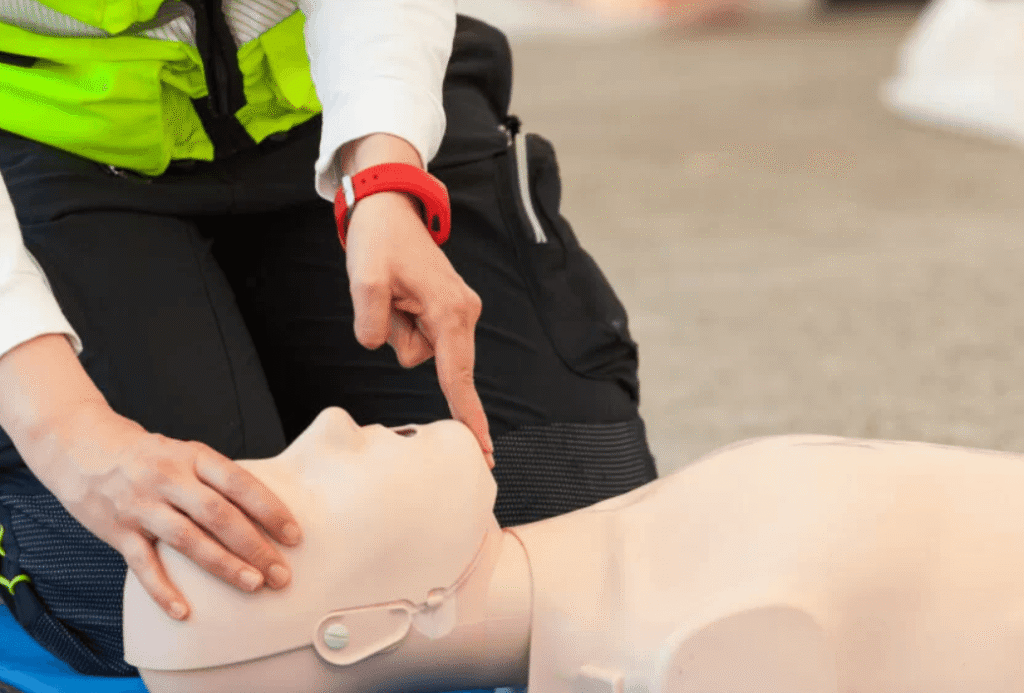
Learning CPR is necessary for security personnel as it gives us the skills to respond effectively in life-threatening situations. Being prepared to give CPR can make a big difference in saving someone’s life during an emergency. By mastering CPR techniques, we can confidently provide immediate help until professional medical help arrives. Understanding the proper procedures for cardiopulmonary resuscitation helps us maintain blood flow and oxygen circulation, increasing the chances of survival for the person in need. CPR training also gives us the knowledge to recognize signs of cardiac arrest and respond quickly, showing our commitment to keeping those around us safe and well. Investing time in learning CPR is not only valuable but also a responsibility for security personnel.
Quick Response to Emergencies
In emergencies, our swift response as security personnel can be important in ensuring the safety and well-being of people. Quick and effective reactions can help reduce potential risks and minimize harm. When emergencies happen, our ability to quickly assess the situation, communicate effectively, and take decisive action is very important. Being well-trained in CPR helps us provide immediate assistance in medical emergencies, potentially saving lives. Our skills in first aid techniques allow us to stabilize people until further medical help arrives. By responding rapidly and efficiently to emergencies, we not only fulfill our duty to protect and serve but also contribute significantly to maintaining a safe and secure environment for all people within the workplace.
Enhancing Workplace Safety Culture
Creating a workplace safety culture is important for building a secure environment that prioritizes the well-being of all people. It involves establishing clear safety protocols, providing thorough training, and promoting open communication regarding safety concerns. By emphasizing the importance of safety in all aspects of work, employees become more alert and proactive in identifying potential hazards and taking necessary precautions. Encouraging a culture where safety is not just a priority but a basic value makes sure that everyone is invested in maintaining a secure workplace environment. This culture promotes a sense of responsibility toward one another’s safety, leading to increased awareness and a reduced likelihood of accidents or emergencies occurring. A strong safety culture improves overall workplace well-being and productivity.
Benefits for Security Personnel
Establishing a strong workplace safety culture not only protects employees but also brings about significant benefits for security personnel within an organization. Security personnel play an important role in maintaining a safe work environment, and being trained in CPR improves their skill set. By having security personnel trained in CPR, organizations can ensure a swifter response to medical emergencies, potentially saving lives. CPR training boosts the confidence of security personnel, helping them to act quickly and effectively in high-pressure situations. This extra skill not only benefits the people themselves but also improves the overall safety and security of the workplace. Investing in CPR training for security personnel yields multiple advantages, making them even more valuable assets to the organization.
Overall Impact on Safety
Improving the skill set of security personnel through CPR training has a big impact on overall workplace safety. First, trained security staff can respond quickly to medical emergencies, reducing response time and potentially saving lives. The presence of personnel skilled in CPR increases the sense of security among employees and visitors, creating a safer work environment. By having security personnel trained in CPR, workplaces show a commitment to safety and preparedness, which can boost morale and confidence in the organization. Integrating CPR training into security protocols significantly improves the safety measures in place, creating a more secure and proactive environment for all people within the workplace.
Related Topics: