Video surveillance plays a central role in protecting commercial and residential properties. A security provider installs surveillance solutions to help organizations monitor activity across entry points, shared workspaces, and exterior zones. These systems support tasks such as crime deterrence, incident verification, remote monitoring, access control support, and timely alerts. Businesses comparing options like the best video surveillance system for small offices or an affordable commercial security camera setup often focus on these features because they strengthen safety and make routine security work more organized. Companies that depend on steady protection, including those working with the best private security services, often share feedback on platforms such as Trustpilot describing how consistent monitoring helps them feel more assured in their security posture.
Crime Deterrence
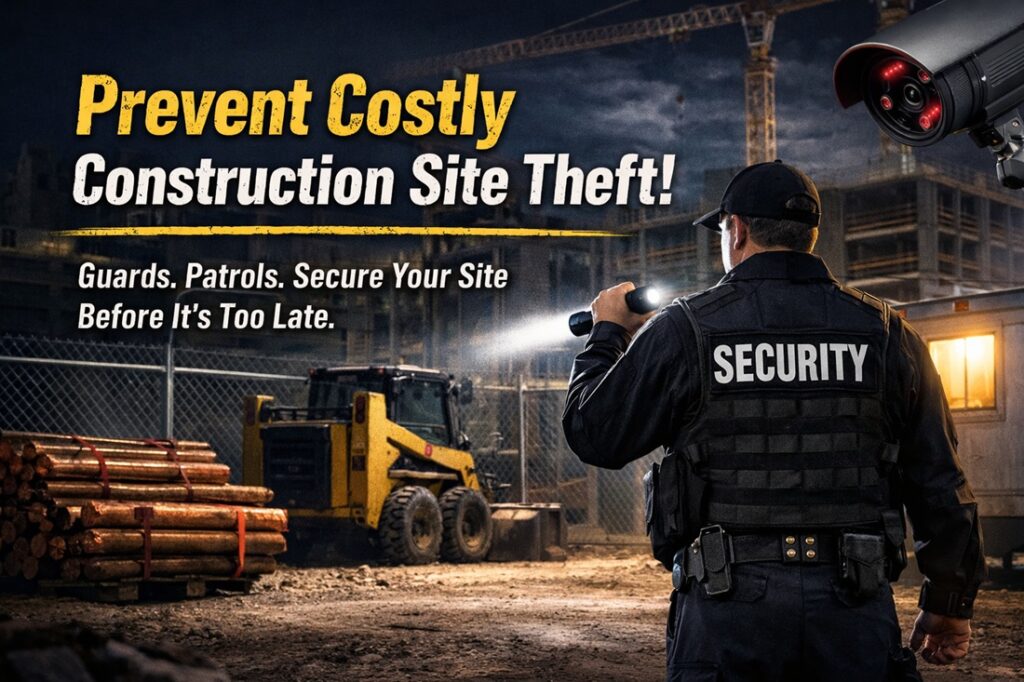
A visible surveillance presence reduces the likelihood of theft, vandalism, and unauthorized access. When cameras are placed at entrances, parking lots, loading docks, and storage areas, they create a monitored environment that discourages criminal behavior. Security teams can respond more efficiently to suspicious activity because live monitoring tools highlight movement patterns or potential risks before incidents escalate. Strategic camera placement also helps create a safer atmosphere for employees, clients, and visitors.
Incident Documentation
Accurate incident documentation is a key benefit of modern surveillance systems. When a security breach or unusual activity occurs, recorded footage provides verifiable evidence that can support investigations, insurance claims, or internal reviews. High-definition imaging, timestamps, and camera-location metadata help reconstruct events with clarity. Many systems now offer features such as automated tagging and facial recognition to help categorize footage for faster retrieval. This type of documentation helps organizations follow best practices for accountability and strengthens overall security procedures.
Remote Monitoring
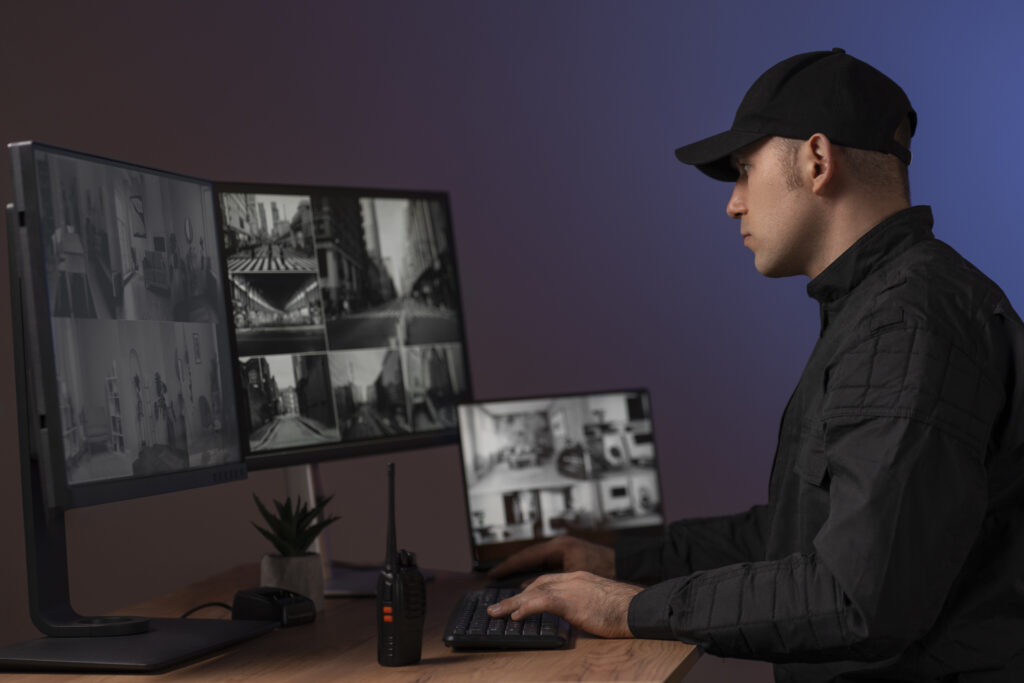
Remote monitoring allows property owners and security teams to oversee their facilities from any connected device. This capability is especially useful for multi-site businesses, after-hours operations, and organizations that rely on rapid alerts. Effective remote surveillance commonly includes:
- Real-Time Alerts – Immediate notifications when movement or unusual patterns are detected.
- Mobile Access – Secure viewing of live feeds through smartphones or tablets.
- Cloud Storage – Off-site video retention to protect evidence from damage or tampering.
- Two-Way Audio – Direct communication with individuals on-site to deter unwanted behavior or provide assistance.
Remote monitoring enhances situational awareness and enables proactive decision-making.
Enhanced Safety Measures
Video surveillance works alongside entry control tools to strengthen safety protocols. Access control systems that use keycards, PINs, or biometrics help ensure that only authorized individuals can enter restricted areas. When paired with surveillance, security teams gain clearer visibility into who enters and exits, helping them track movements and detect irregular patterns. This combined approach supports compliance requirements, protects sensitive assets, and provides a layered defense strategy.
Real-Time Alerts
Real-time alerts improve response times by notifying security staff the moment an irregular event occurs. These alerts may be triggered by motion detection, perimeter breaches, or environmental sensors integrated with the camera system. Real-time notifications support:
- Faster reaction during emergencies
- Better coordination among security personnel
- More informed decision-making
- Reduced operational downtime during potential disruptions
This level of responsiveness helps organizations maintain control during evolving situations.
Legal Compliance
Privacy laws and data-protection regulations have become more defined, and organizations must ensure their surveillance practices meet required standards. Compliance factors may involve:
- Proper signage to inform individuals about monitoring
- Restrictions on camera placement
- Secure storage of video data
- Defined retention timelines
- Controlled access to sensitive footage
Industries such as healthcare and finance must follow strict guidelines related to video handling. Developing clear protocols for data management helps minimize legal risk and supports responsible system operation.
Contact Us
We’re here to assist you! Whether you have a question, need support, or just want to say hello, reaching out is simple.
📧 Email Us: info@AllCode4.com. We strive to respond within 24 hours.
📞 Call Us: 702-763-7896
🕜business hours: Monday – Friday, 9 AM – 4 PM.
💬 Live Chat
Not sure who to? Our team is ready to assist you. Just contact us and let us know how we can help.
Related Topics: