The role of an unarmed security guard involves much more than maintaining a visible presence. These professionals rely on a carefully selected toolkit that helps them respond effectively to various situations while providing professional security in Las Vegas and beyond. From communication devices to defensive tools, understanding what equipment these guards typically carry gives insight into how they protect properties and people without the use of firearms.
Let’s explore the essential items that make up an unarmed security guard’s everyday gear and how these tools enhance their ability to prevent incidents and respond appropriately when challenges arise.
Essential Tools for Unarmed Security Guards
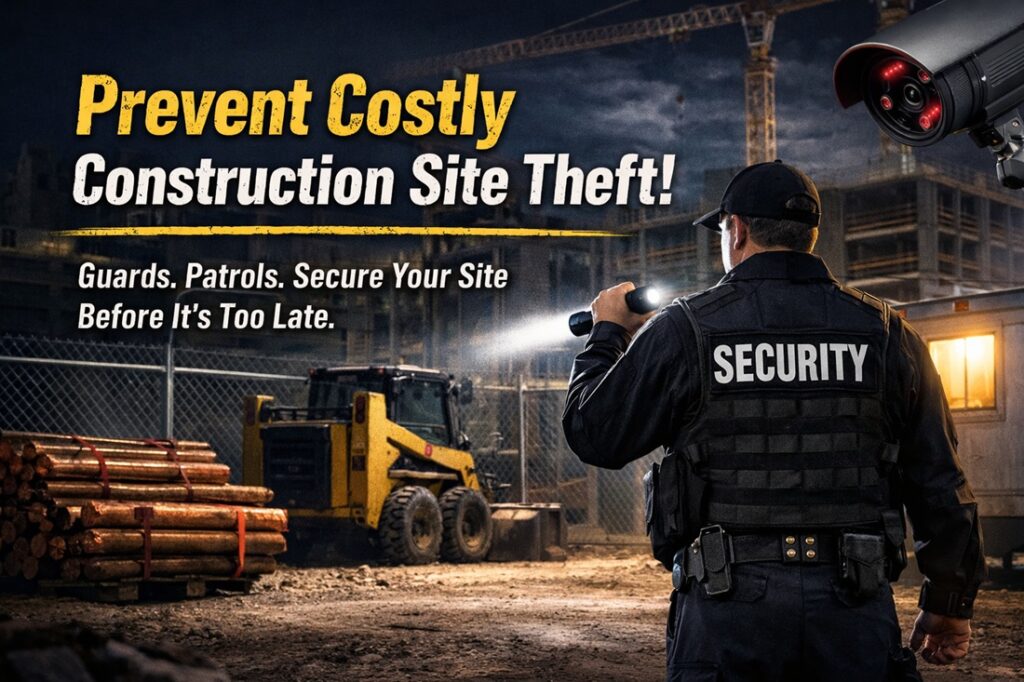
Unarmed security guards depend on several key tools to perform their duties effectively. A powerful flashlight tops the list, allowing guards to inspect dark corners, parking structures, and poorly lit areas that might conceal safety hazards or unauthorized individuals. Many guards opt for tactical flashlights with strobe features that can temporarily disorient threatening persons if necessary.
Notebooks and pens might seem basic, but they’re crucial for documenting incidents, recording suspicious activities, and maintaining detailed logs that may later serve as evidence. Most guards also carry an ID badge holder that clearly displays their credentials, providing immediate visual confirmation of their authority. Some security companies equip their staff with body cameras that record interactions and deter aggressive behavior while providing an objective account of any incidents.
Communication Devices
Reliable communication forms the backbone of effective security operations. Most guards carry two-way radios that allow instant contact with team members, supervisors, and dispatch centers. Unlike cell phones, these radios provide immediate push-to-talk functionality that works even in areas with poor cell reception. Many modern security operations now supplement radios with smartphone apps that enable guards to file digital reports, access building schematics, or review post orders while on duty.
Some high-end security operations implement earpieces with microphones that allow guards to communicate discreetly without alerting others to their conversations. In emergency situations, these devices often include panic buttons that immediately alert supervisors and nearby team members to a guard in distress, triggering rapid response protocols.
Non-Lethal Defensive Equipment
Unarmed guards rely on non-lethal tools to maintain safety when verbal de-escalation fails.
- Pepper Spray: A powerful tool for temporarily incapacitating an aggressor from a safe distance.
- Tactical Flashlight: Provides visibility in dark areas and can disorient an attacker.
- Expandable Baton: Offers a non-lethal striking option for self-defense and control.
- Stun Gun: Delivers an electric shock to immobilize an assailant briefly.
Each of these tools requires proper training, regular practice, and a clear understanding of the legal implications of their use. Security companies typically provide specific guidelines on when and how these items can be deployed in the field.
Identification and Documentation Tools
Proper identification and thorough documentation remain essential aspects of professional security. Guards typically carry company ID cards and state-issued security licenses displayed in easily visible badge holders. Digital cameras or smartphone apps allow guards to document suspicious activities, property damage, or safety hazards they encounter during patrols.
Many security companies now provide tablet devices with specialized software for completing incident reports, visitor logs, and maintenance requests. Guards working in access control positions often use electronic verification systems including ID scanners and biometric readers to validate visitor credentials. This technology automatically documents who entered specific areas and when, creating valuable records for investigation if needed.
Additional Gear for Specific Situations
Beyond standard equipment, guards often carry specialized gear for particular assignments or environments.
- Flashlights: Necessary for patrolling dimly lit areas and during nighttime shifts.
- First Aid Kits: Crucial for providing immediate medical assistance in case of injuries.
- Two-Way Radios: Facilitate rapid communication with other guards or authorities for backup.
- Handcuffs: Used to detain individuals until law enforcement arrives or to restrain aggressive individuals.
The specific gear varies widely based on the unique requirements of each security assignment and the potential situations a guard might encounter.
Don’t leave your security needs to change. Professional, unarmed security guards with proper training and equipment provide effective protection without the liability concerns of armed personnel. Contact a reputable security provider today to assess your needs and develop a customized security plan that gives you peace of mind without breaking your budget.
Other Related Topics: