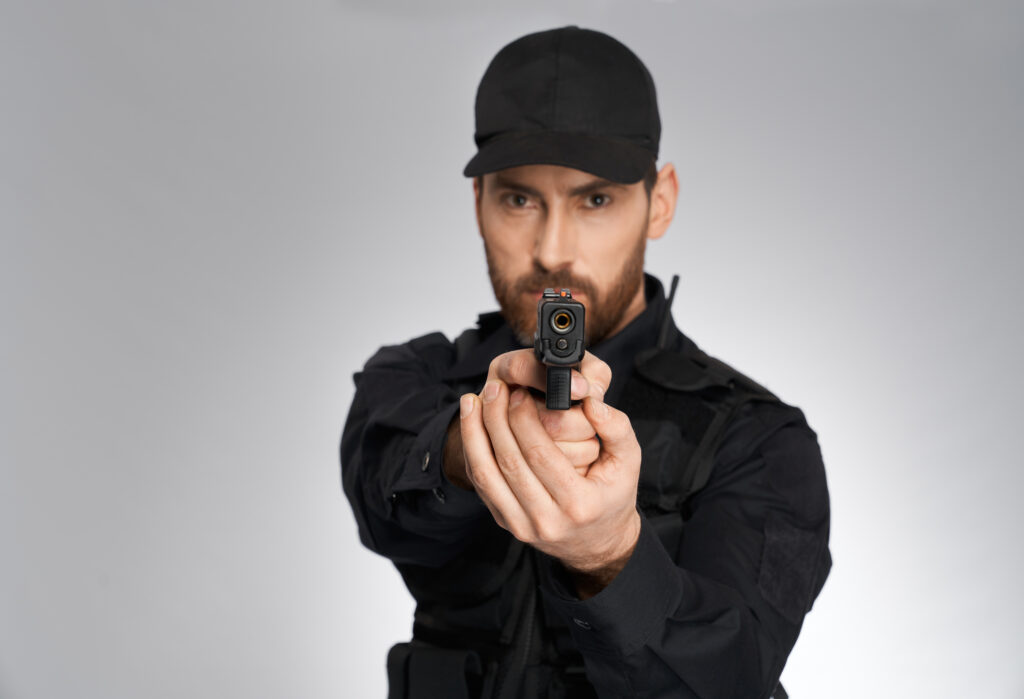

Security guards play a central role in managing conflict through their training in communication, threat recognition, and response planning. Their responsibilities often go beyond presence alone, they are expected to evaluate tensions, intervene calmly, and uphold safety without escalation. Reliable private security services prioritize equipping guards with the practical tools to identify risks early, manage emotions, and coordinate with law enforcement when needed. This post outlines how security professionals use real-world training to assess threats, de-escalate difficult situations, apply legal guidelines, and implement proactive safety protocols.
Security Guards’ Conflict Resolution Training
Training programs for security guards focus heavily on preparing them to manage disputes in a calm and controlled manner. These programs are designed to improve decision-making under pressure while emphasizing public safety. Through scenario-based instruction and role-play, guards learn how to respond without aggression, communicate with clarity, and address underlying tensions. They study behavioral patterns and learn to interpret physical and verbal cues that often signal rising conflict. In high-stress environments, this training allows guards to act swiftly and responsibly, minimizing disruption while ensuring individuals on-site feel protected and respected.
Communication Techniques in Conflict Management
The ability to manage conflict depends largely on how effectively a guard can communicate. Staying composed and using respectful, clear language helps de-escalate potential confrontations. Security personnel are trained to listen closely without interrupting, respond in a measured tone, and establish trust through consistent body language. In challenging moments, calmly stating intentions and reinforcing safety protocols can shift a situation from reactive to cooperative. Even under pressure, guards are taught to avoid aggressive posture or language. The goal is to maintain order through presence and professionalism rather than force.
Assessing Risk and De-escalation Strategies
Risk assessment allows security guards to identify signs of possible disruption before it escalates. Understanding the environment, monitoring individual behavior, and recognizing emotional triggers help in forming the right response. Guards are trained to keep situations from escalating by applying strategies like non-threatening gestures, measured speech, and controlled physical positioning. These techniques are part of an approach that centers on preventing harm, not just reacting to it. Being able to think critically while staying calm is essential for protecting people and property without creating further tension.
Legal Considerations in Conflict Resolution
Security professionals must work within legal boundaries at all times, particularly during conflict resolution. Guards are expected to know the laws that apply to their role, including those related to detainment, use of force, and trespass handling. Staying informed on these regulations helps ensure actions taken during an incident are lawful and proportionate. In addition, accurate documentation of events is vital in case follow-up is required. Proper reporting protects both the security provider and the client from liability. Legal awareness supports better decisions and reinforces trust in the guard’s judgment during high-stakes situations.
Collaborating With Law Enforcement Agencies
While security guards serve as the first line of response, there are situations where cooperation with police or emergency responders becomes necessary. Guards are trained to pass on vital details, assist in securing a scene, and follow directions from law enforcement officers. This coordination relies on clarity, prompt communication, and an understanding of where private security ends and public authority begins. Guards familiar with legal jurisdictions and response protocols are more effective in joint operations. A well-managed partnership between private security and public law enforcement often leads to safer outcomes for everyone involved.
Implementing Preventive Security Measures
Beyond resolving active conflicts, guards play a role in preventing them from occurring. Regular walkthroughs, reviewing security procedures, and keeping detailed records are daily practices that help reduce risk. Access control, guest monitoring, and surveillance tools contribute to deterrence by making it clear that a location is monitored and managed. Consistent enforcement of site rules helps create an atmosphere of order. Security guards participate in ongoing training not only for their own development but also to share safety knowledge with clients and team members. A strong focus on prevention helps limit the chances of serious incidents and contributes to long-term security and stability.
Related Topics: