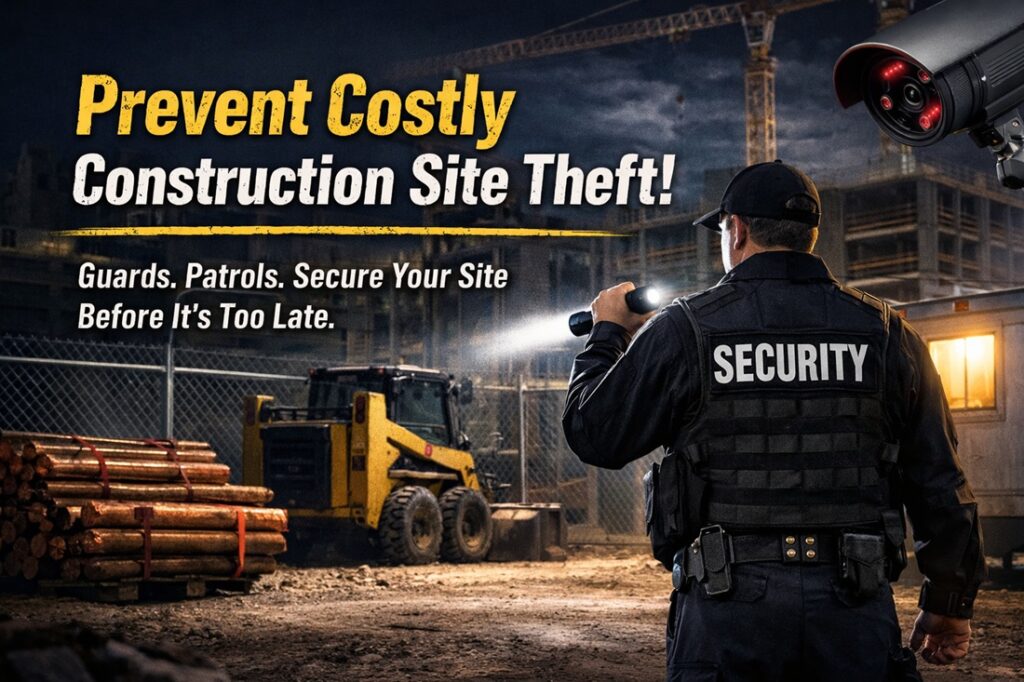
Walk through any city today, and you’ll spot cameras everywhere. Parking lots, stores, street corners, they’re practically unavoidable. But do they actually stop crime, or are they just expensive props? Much like a trusted retail security guard in San Jose, CA, who keeps watch over a store, these cameras create a sense of being observed. We will examine the impact of surveillance on crime rates, its role in solving cases, the privacy concerns it raises, and the direction this technology is headed.
Crime Deterrence and Prevention
Here’s the thing about surveillance cameras: they work. Cities that install them see drops in theft, vandalism, and assaults. It’s pretty straightforward psychology. Most people won’t smash a car window or spray paint a wall if they know they’re on camera. Actual data is backing this up from cities across the country.
But it’s not just about scaring off criminals. When something does happen, police can review footage right away. They can identify suspects faster and respond while the trail is still hot. Unlike a security guard who needs lunch breaks and can only watch one area at a time, cameras don’t blink. That 24/7 coverage makes public spaces genuinely safer.
Solving Crimes With Video Evidence
Video evidence has been a game-changer for investigations. When you have clear footage of an incident, you’re not relying on spotty witness memory or conflicting accounts. The Urban Institute found that cases with video evidence close at much higher rates than those without it.
Prosecutors love video evidence because it’s hard to argue with. A jury can see exactly what happened. Details that people might forget or misremember are right there in the recording. Crimes caught on camera lead to more arrests and convictions, simply because they are more likely to be identified and prosecuted.
Public Safety Enhancements
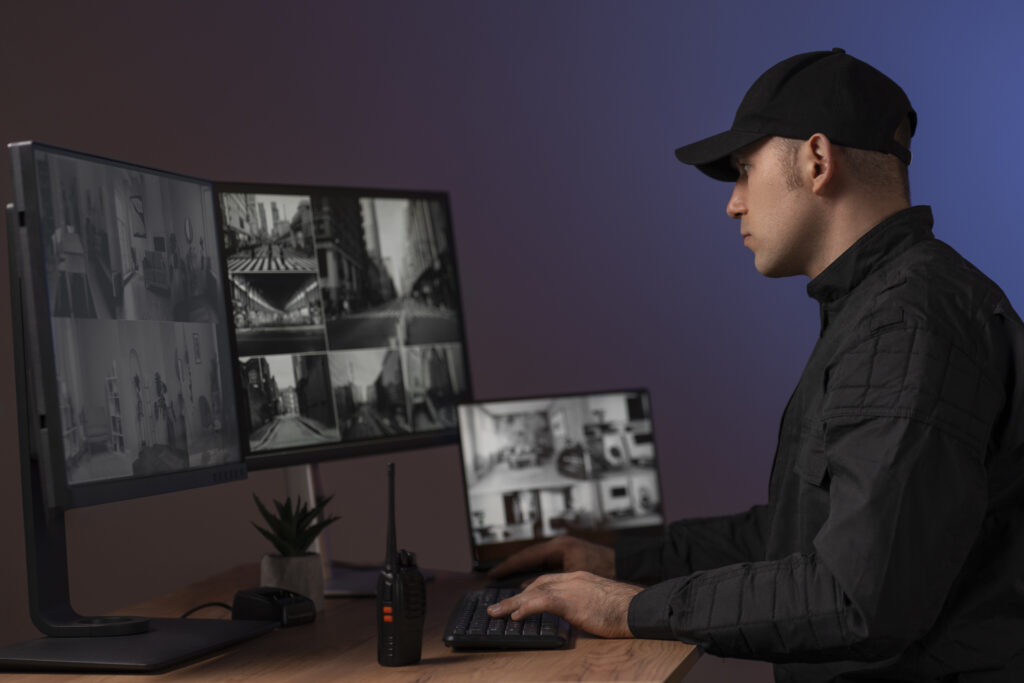
Cities that use surveillance systems can respond to threats before they escalate into larger problems. Someone monitoring feeds spots suspicious behavior and alerts officers in the area. That kind of quick action prevents many incidents from happening in the first place.
Modern systems do more than just record. Analytics software can sift through hours of footage and identify patterns that human eyes might miss. Perhaps break-ins continue to occur in the same area at the same time of day. That information helps police figure out where to patrol and when.
Privacy Concerns and Legal Issues
Not everyone’s thrilled about being on camera constantly. Valid concerns exist about who’s watching all this footage and what they’re doing with it. Are your movements being tracked? How long do they keep the recordings? Who has access?
The law hasn’t really caught up with the technology. Rules about surveillance vary wildly depending on where you are. What’s legal in one city might not be in the next. There needs to be clear accountability, someone must ensure that this footage isn’t being misused or violating people’s rights.
Effectiveness in Different Settings
Surveillance doesn’t work the same everywhere. Downtown areas with heavy foot traffic? Cameras make a huge difference. Remote rural areas? Not so much. The impact depends on whether anyone’s actually watching the feeds and how quickly they can respond.
Things like lighting matter too. A camera in a dark alley won’t capture much useful footage. Placement is critical. You need cameras positioned where they’ll actually capture faces and license plates, not just grainy shapes moving around.
Future Trends in Video Surveillance
AI is changing what these systems can do. Instead of someone staring at screens all day, software can flag suspicious behavior automatically. Someone loitering near cars for too long? The system notices and alerts security.
Facial recognition speeds up identifying suspects. Predictive models can forecast where crimes are likely to happen based on past patterns, so police can be there before trouble starts. Drones and automated systems are expanding coverage without needing more human monitors. The technology is getting smarter about preventing crime before it happens, instead of just recording it.
Related Topics:
- Ways to Conceal Security Camera Cables for a Neat Setup
- Effective Techniques to Keep Outdoor Security Cameras Out of Sight