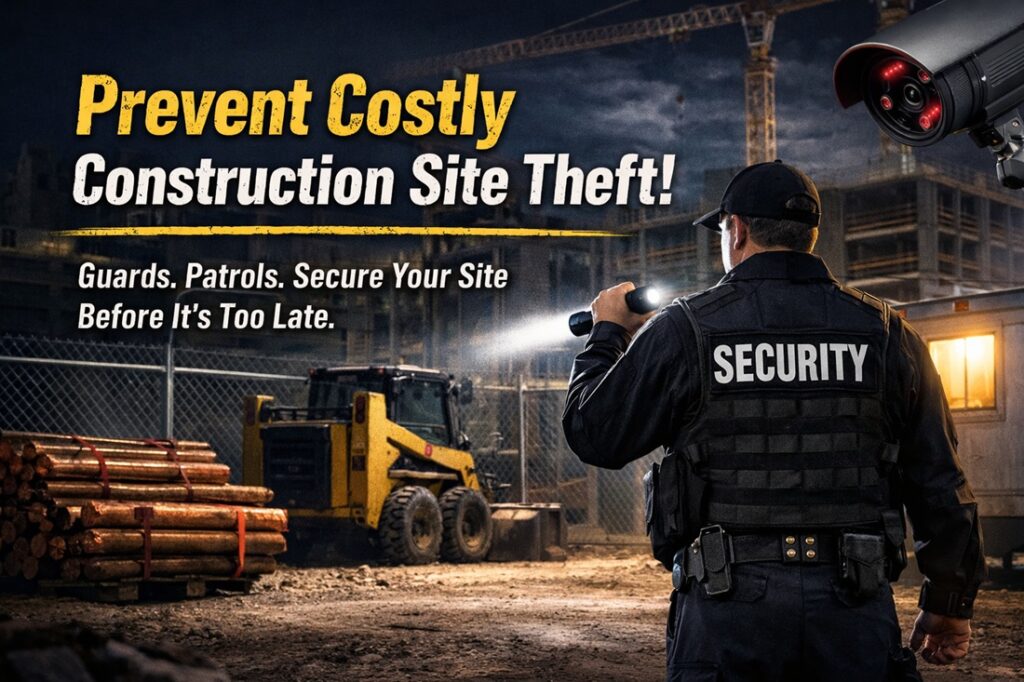
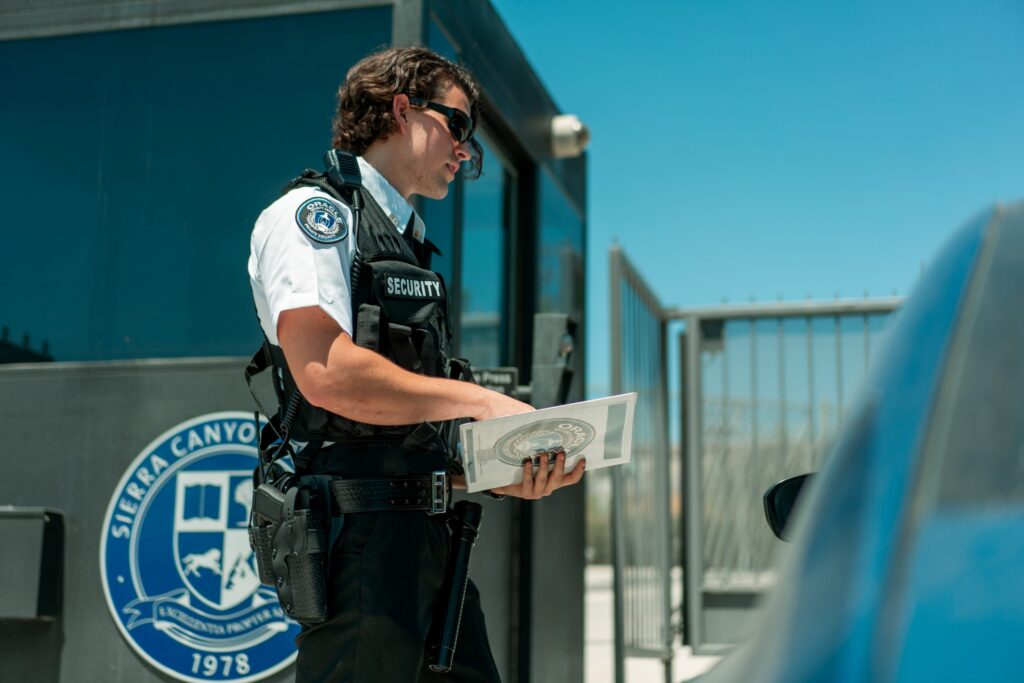
High-risk locations face unique security challenges that require specialized protection strategies. These environments, from corporate facilities to public venues, need trained professionals who can handle complex threats. Security guards serve as the front line of defense, providing both visible deterrence and active monitoring. Their role goes beyond simple observation to include threat assessment, emergency response, and risk prevention. Working with a leading private security company ensures comprehensive protection tailored to each location’s specific vulnerabilities.
Role of Security Guards
Security guards serve multiple functions in high-risk areas. Their visible presence alone discourages criminal activity and creates a safer environment for everyone inside. Guards actively watch for suspicious behavior, unauthorized access attempts, and potential security breaches. They control who enters and exits the facility, checking credentials and monitoring visitor activity.
When problems arise, security guards respond quickly to contain threats before they grow worse. They handle emergencies like fires, medical situations, or violent incidents with proper training and clear procedures. Guards also work closely with law enforcement when needed, providing valuable information and support during investigations.
Risk Mitigation Strategies
Effective security requires multiple layers of protection working together. Risk mitigation combines planning, assessment, and action to reduce vulnerabilities:
- Threat Assessment: Regular evaluation of potential risks specific to each location and industry
- Security Protocols: Clear procedures tailored to address identified risks and vulnerabilities
- Emergency Response Plans: Step-by-step plans for handling different types of security incidents
Importance of Proactive Measures
Prevention works better than reaction when protecting high-risk locations. Proactive security means identifying problems before they happen and taking steps to prevent them. This includes regular security audits, ongoing risk assessments, and continuous monitoring of the premises.
Modern technology plays a big role in proactive security. Cameras, access control systems, and alarm systems help detect threats early. Communication systems allow quick coordination between guards and management. Regular training keeps security staff prepared for new challenges and changing threat patterns.
Quick Response Capabilities
Fast response times can make the difference between a minor incident and a major security breach. Security teams must be ready to act quickly when threats appear. This requires proper preparation and the right tools:
- Continuous Training: Regular practice sessions keep guards sharp and ready for any situation
- Advanced Communication Systems: Modern technology allows instant communication and coordination
- Strategic Deployment: Smart positioning of guards ensures quick response times across the facility
Safeguarding People and Assets
Protecting people and property requires a complete security approach. This starts with understanding what needs protection and what threats exist. Security plans must address the specific risks each location faces.
Trained guards form the core of any security system. They monitor entrances, patrol areas, and watch for problems—access control systems limit who can enter restricted areas. Surveillance cameras provide extra eyes and record important events. Together, these elements create multiple barriers against security threats.
Enhancing Safety and Security
Strong security combines technology, training, and smart planning. Modern surveillance systems provide real-time monitoring capabilities. Regular security reviews help identify weak points that need attention. Emergency response procedures ensure quick action when incidents occur.
Ongoing evaluation helps security systems stay effective as threats change. By constantly reviewing and updating security measures, organizations can stay ahead of new risks and maintain safe environments for everyone.
- Implementation of real-time monitoring tools
- Regular security audits and updates
- Integration of emergency response protocols
Related Topics: