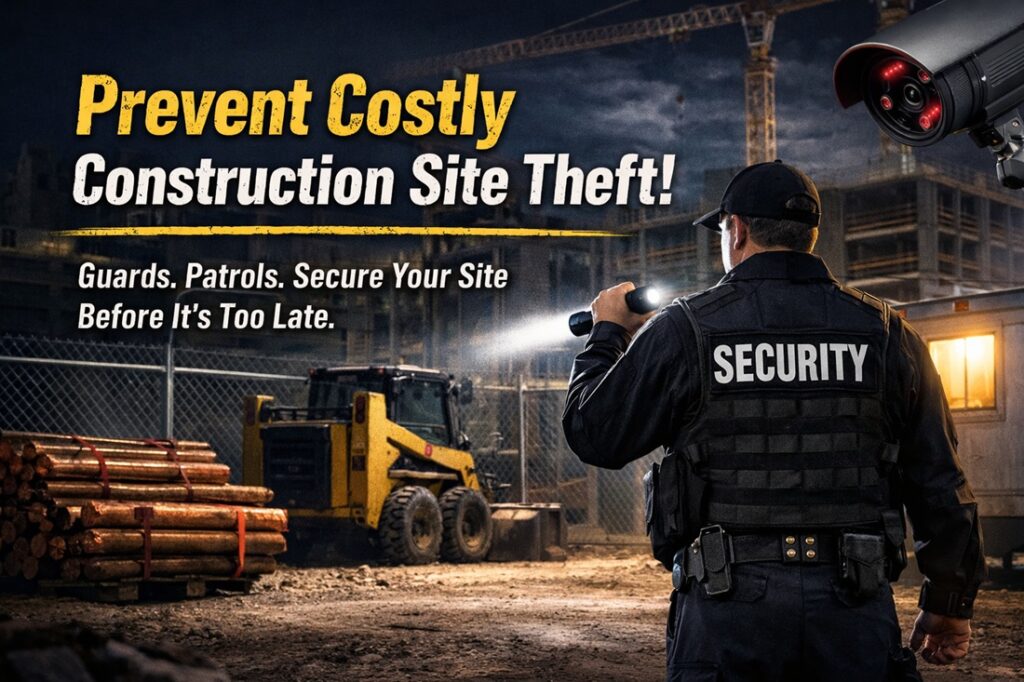

Physical security protects businesses and organizations from many threats that can harm operations and people. Understanding why physical security matters helps business owners make smart decisions about protecting their property and staff. Many companies rely on leading private security in San Jose and other areas to create safe work environments. This guide explains the main reasons why physical security is so important for any business or organization. Strong security measures help prevent crime, protect valuable items, keep workers safe, and meet legal requirements.
Physical Security Deters Criminal Activities
Good physical security stops criminals from targeting your business. Security cameras, alarms, and access control systems work together to scare off potential criminals. When people see cameras watching them, they are less likely to steal or damage property. Access controls make it hard for unauthorized people to enter restricted areas. Security guards provide another layer of protection by watching for suspicious activity. These measures create a strong defense that makes criminals think twice before attempting illegal activities. The visible presence of security systems sends a clear message that your property is well-protected.
Protection of Assets and Resources
Physical security keeps your valuable items and information safe from theft and damage. Security systems like cameras, alarms, and locked storage areas protect equipment, inventory, and important documents. Access control systems make sure only authorized people can reach sensitive areas. Proper tracking systems help monitor the location and use of assets. Physical barriers like fences and secure doors add extra protection. Regular inventory checks help identify missing items quickly. These security measures work together to reduce losses and keep your business resources secure.
Ensuring Workplace Safety
Creating a safe workplace requires careful planning and the right security measures. A secure environment protects employees and visitors from harm while helping business operations run smoothly. Key safety strategies include:
- Installing access control systems to manage who enters and leaves
- Performing regular security checks to find weak spots
- Setting up surveillance cameras for constant monitoring
- Training all staff on emergency response procedures
Mitigating Insider Threats
Protecting against threats from inside your organization requires careful monitoring and clear policies. Companies need strong access controls that limit what employees can access based on their job roles. Background checks during hiring help identify potential risks before they become problems. Clear security rules and regular training teach employees about proper security practices. Open communication helps workers report suspicious behavior safely. Regular monitoring of employee activities can spot unusual patterns that might indicate problems. These steps help catch insider threats early and prevent damage to your business.
Compliance With Regulations and Standards
Following security rules and standards is required by law and helps build trust with customers and partners. Meeting these requirements protects your business from fines and legal trouble. Compliance covers several important areas:
- Legal Requirements: Following laws prevents costly fines and legal action
- Data Protection: Rules help keep sensitive information safe from unauthorized access
- Risk Reduction: Standards help identify and fix security problems before they cause damage
- Business Reputation: Compliance shows customers and partners that you take security seriously
Enhancing Overall Security Posture
Building stronger security means identifying vulnerabilities and fixing them with effective solutions. Regular security assessments help identify areas that need improvement in your current setup. A layered approach works best, combining physical barriers, access controls, cameras, and staff training. Testing your security systems regularly makes sure they work properly and can handle new types of threats. Employee training keeps everyone aware of security best practices and their role in maintaining safety. Continuous improvement helps your security stay effective as threats change over time. Strong security protects your assets, data, and people from potential harm.
Related Topics: