
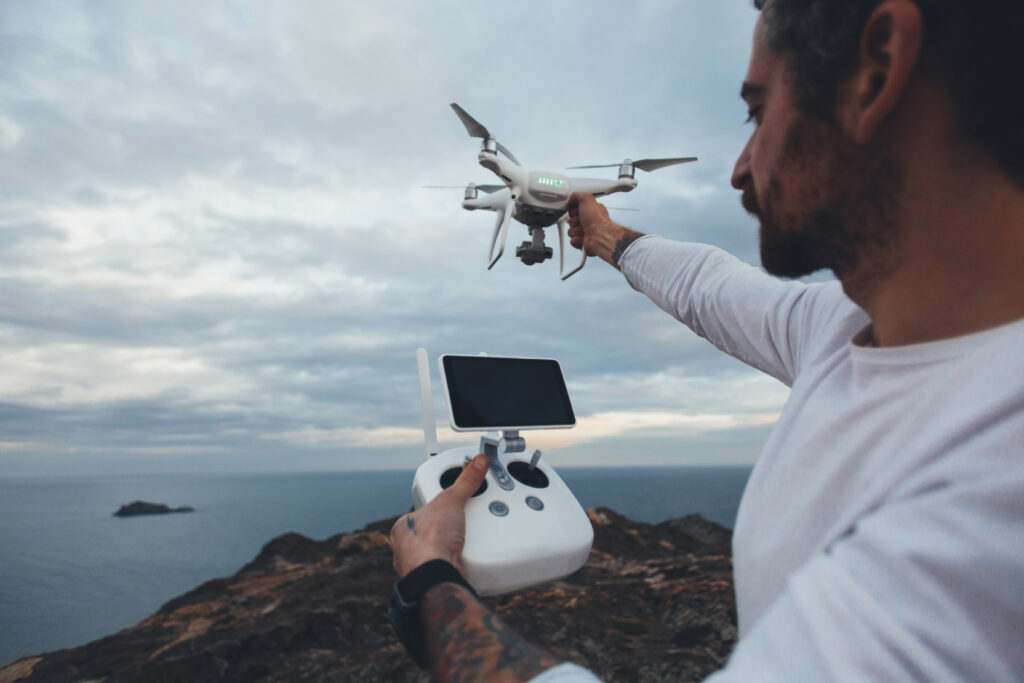
Drone surveys are known for their high accuracy, thanks to advanced sensors, GPS geotagging, and real-time kinematic (RTK) technology. These surveys enable detailed 3D modeling, precise image capture, and faster data collection, making them indispensable for industries like construction, agriculture, and disaster response. However, environmental factors such as weather and terrain challenges can affect their accuracy. By optimizing flight planning, using ground control points (GCPs), and adjusting camera settings, you can significantly enhance the accuracy of your drone surveys. For operations requiring added security measures during aerial data collection, trusted private security guards can help protect equipment and survey sites from unauthorized access. Let’s dive deeper into the technology, factors, and strategies behind maximizing drone survey precision.
Technology Behind Drone Surveys
The technology powering drone surveys involves a combination of advanced sensors and GPS systems to deliver highly accurate data. Drones are typically equipped with a variety of sensors, including:
- High-resolution cameras for image capture.
- LiDAR sensors for precise topographic mapping.
- Multispectral and thermal sensors for environmental analysis.
These sensors, combined with RTK GPS systems, ensure the highest level of accuracy during the survey. The GPS allows for accurate geotagging of collected data, which is essential for creating precise 3D models and maps. Drones with RTK GPS enhance location precision by correcting errors that may arise from standard GPS data, making them ideal for large-scale surveys.
Factors Influencing Survey Accuracy
Several factors can influence the accuracy of drone surveys. Understanding and optimizing these elements is crucial for achieving high-quality results:
- Environmental Conditions: Weather conditions, such as wind speed and temperature, can affect the stability and flight path of the drone. Strong winds, for example, can cause the drone to veer off course, leading to inaccuracies.
- Flight Planning: Proper flight planning is essential. Factors such as flight altitude, image overlap, and the use of ground control points (GCPs) are critical for ensuring data consistency and precision.
- Sensor Adjustment: Regular sensor calibration and camera settings adjustment are necessary to maintain the accuracy of the captured images and data. High-resolution images are key to capturing fine details, especially for topographic surveys.
By optimizing these factors, you can enhance the precision of drone surveys and avoid errors caused by environmental variables or technical malfunctions.
Comparison With Traditional Surveying Methods
While drone surveys offer numerous advantages, traditional surveying methods still have their place. Here’s a comparison between drone and traditional surveying techniques:
- Speed and Coverage: Drones can cover large areas quickly and provide high-resolution imagery, which is useful for applications like land mapping and agricultural monitoring. Traditional methods, however, can be more time-consuming, especially for large or inaccessible sites.
- Accuracy in Specific Applications: For certain projects, such as legal boundary surveys or areas with complex terrain, traditional methods may still be preferred due to their high level of precision and familiarity with local regulations.
- Safety: Drones enhance safety by reducing the need for personnel to be physically present at potentially hazardous locations, such as disaster zones or unstable construction sites.
Ultimately, the choice between drone surveys and traditional methods depends on the project requirements, budget, and the desired level of accuracy.
Limitations of Drone Survey Accuracy
Despite their advantages, drone surveys come with certain limitations:
- Weather Conditions: As mentioned, weather, especially strong winds and rain, can interfere with the drone’s flight path and data collection.
- Battery Life: Limited battery life can restrict the survey time, potentially affecting the survey’s coverage area. Drone operators need to plan flights efficiently to ensure that all desired areas are surveyed within the battery limits.
- Camera Resolution: While drones can capture high-resolution images, the camera quality may not always meet the requirements for certain types of surveys, such as detailed geological analysis or highly specific measurements.
These limitations highlight the importance of careful planning and the use of additional methods (such as traditional surveys) when necessary to ensure precision.
Strategies for Maximizing Survey Precision
To ensure the highest level of accuracy in drone surveys, consider these best practices:
- Optimize Flight Planning: Use specialized software to account for weather conditions, battery life, and terrain to plan the most efficient flight paths.
- Utilize Ground Control Points (GCPs): GCPs are essential for enhancing the accuracy of georeferencing drone-collected data. These points provide a physical reference on the ground that can be matched to GPS data for more accurate mapping.
- Monitor Image Quality: Regularly adjust camera settings and check image resolution to ensure that the data being collected is of the highest quality. This is especially important for surveys that require fine detail, such as land topography or infrastructure monitoring.
By following these strategies, you can maximize the precision of your drone surveys and improve the overall quality of the collected data.
Real-World Examples of Drone Survey Accuracy
Drone surveys have proven to be invaluable across a range of industries. Here are some real-world applications demonstrating the effectiveness of drone technology:
- Agriculture: Drones are used to monitor crop health, identify irrigation issues, and optimize pesticide application. By providing high-resolution imagery, drones help farmers make informed decisions that improve crop yield and resource efficiency.
- Construction: Construction companies rely on drones for site surveys, tracking project progress, and measuring volumes of materials. Drones improve project management efficiency, reduce costs, and ensure that work is completed according to plan.
- Land Development: Surveyors use drones to collect topographic data for land development projects, allowing them to create accurate 3D models and maps for planning purposes.
- Disaster Response: Drones are invaluable during disaster recovery, providing real-time damage assessments and aiding in emergency response planning.
These examples highlight how drone surveys are transforming industries by providing high-accuracy data quickly and efficiently.
Contact Us
We’re here to assist you! Whether you have a question, need support, or just want to say hello, reaching out is simple.
📧 Email Us: Drop us a message anytime at info@AllCode4.com. We strive to respond within 24 hours.
📞 Call Us: Prefer to talk? Give us a call at (866) 595-4186
📍 Visit Us: Stop by our office at 2130 The Alameda #210, San Jose, CA 95126. We’d love to meet you in
person!
💬Not sure who to contact? Our team is ready to assist you. Just let us know how we can help.
Related Topics: