Security services come in many forms, and knowing what’s out there helps you build the right protection plan. From guards on-site to digital defenses, each service fills a specific role in keeping people and property safe. Las Vegas’ leading security guard company can help you figure out which combination works best for your situation. This guide covers manned guarding, surveillance systems, access control, cybersecurity, alarm monitoring, and emergency response planning. By the end, you’ll have a clear picture of what each service does and how they work together.
Manned Guarding Services
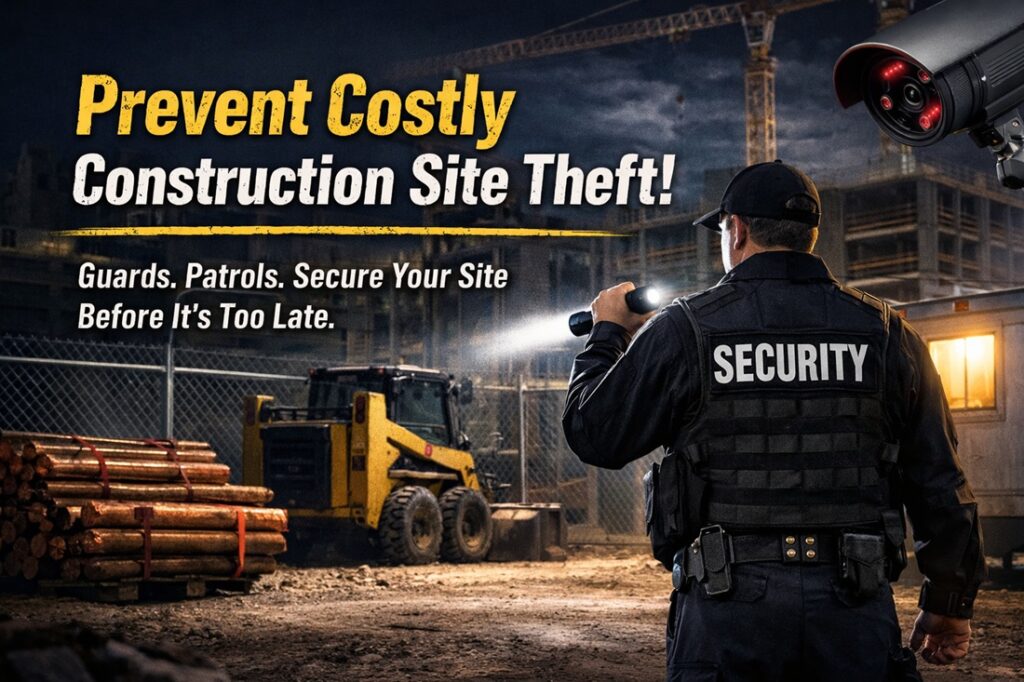
Manned guarding means putting trained security personnel on-site to physically protect and monitor your premises, assets, or people. These services matter across all kinds of settings: corporate offices, retail stores, construction sites, and events. Guards conduct regular patrols, monitor surveillance feeds, control who comes and goes, and respond quickly when something goes wrong. Having trained professionals physically present deters potential threats, stops unauthorized access, and guarantees a fast response during emergencies. A visible human presence can adapt to changing situations in ways that technology alone can’t. Well-trained guards add real value to any security setup by protecting both property and people.
Surveillance Systems
Surveillance systems improve security by providing constant monitoring and recording of activity in a given area. These setups use cameras, sensors, and monitoring software to spot and discourage potential threats. The footage and data collected support real-time viewing, reviewing incidents after the fact, and gathering evidence if something happens. Features like motion detection, facial recognition, and remote access make these systems even more effective. Pairing surveillance with alarms and access control creates a stronger overall security setup. Regular maintenance and updates keep everything running at peak performance and reliability.
Access Control Solutions
Access control solutions tighten security by managing who can enter specific areas of a building. Common options include keycard systems, biometric scanners, and PIN entry pads. Keycard systems are popular because they’re easy to use and let you track who accessed what and when. Biometric scanners, such as fingerprint or retina readers, offer stronger security because they require unique biological data. PIN pads cost less and still get the job done for basic entry restriction. You can also integrate access control with your surveillance system for a more comprehensive security approach. These measures help organizations control who comes and goes, reducing unauthorized access and potential breaches.
Cybersecurity Measures
Protecting digital assets requires solid cybersecurity measures that guard against threats and breaches. A multi-layered approach works best against sophisticated attacks. Encryption secures sensitive data by scrambling it into an unreadable format that unauthorized users can’t read. Regular security audits and penetration testing catch vulnerabilities early so you can fix them before they become problems. Intrusion detection systems monitor network traffic for suspicious activity and send alerts when something looks out of place. Firewalls sit between your trusted internal network and the outside world, controlling which traffic is allowed through based on predefined rules. Ongoing employee training on cybersecurity best practices strengthens the human side of your defenses against social engineering and phishing attacks.
Alarm Monitoring Services
Alarm monitoring services ensure a quick response when security incidents or potential threats occur. With monitoring systems running around the clock, action is taken the moment any alarm triggers.
- Peace of Mind: Knowing alarm monitoring stays active 24/7 lets you focus on running your business without constantly worrying about security threats.
- Swift Response: Fast response times help shut down threats and stop security breaches before they escalate, keeping your approach proactive rather than reactive.
- Reliable Protection: Modern technology, combined with skilled professionals monitoring your systems, creates a dependable shield against unauthorized access and other security threats.
Emergency Response Planning
Building a solid emergency response plan is key to handling security incidents and keeping your premises safe. A good plan should lay out clear steps for different scenarios, such as natural disasters, criminal activity, and medical emergencies. Assign specific roles and responsibilities to team members in advance so everyone knows their job when something happens. This coordination leads to a faster, more efficient response. Run regular training sessions and drills to test how well the plan works, identify any gaps, and ensure all staff know the procedures. Keep updating the plan based on lessons learned from past incidents to strengthen your overall security posture over time.
Related Topics: