Mall security is a topic that raises plenty of questions, especially around firearms and how guards handle threats. A reliable security guard company trains its personnel to prioritize safety through multiple approaches, not just weapons. This post covers the duties of mall security guards, their training requirements, legal regulations around firearms, and alternatives to carrying guns. We’ll also look at how the public views armed guards and review some real-world case studies. By the end, you’ll have a clearer picture of how mall security actually works.
Mall Security Guard Duties and Responsibilities
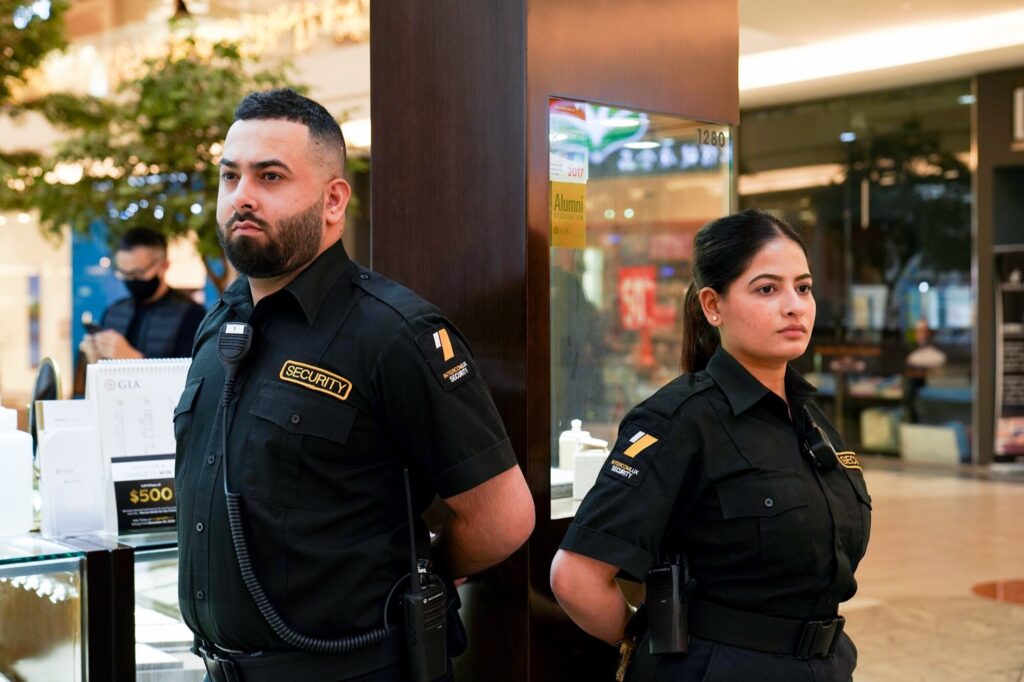
Keeping shoppers and property safe is the main job of mall security guards. Guards conduct regular patrols to deter criminal activity and respond quickly to emergencies. They monitor surveillance cameras and alarms to catch suspicious behavior or potential threats immediately. Managing crowds during busy hours and special events helps keep things orderly and prevents overcrowding. Guards also interact with customers to provide assistance and directions, thereby improving the overall shopping experience. They coordinate with local police during serious incidents. Documenting incidents and writing detailed reports matters for legal and administrative reasons. Following protocols and staying alert are part of the daily grind.
Training Requirements for Security Personnel
Mall security guards undergo intensive training to develop the skills needed to keep the environment safe. Training covers emergency response procedures, conflict resolution, surveillance techniques, and the legal rules that govern security work. Guards also learn customer service skills to interact with shoppers while maintaining security standards. This training gives security staff the tools to spot potential threats, de-escalate tense situations, and respond appropriately during emergencies. Regular training sessions and drills keep guards up-to-date on best practices and ready to handle whatever security challenges arise at the mall.
Legal Regulations on Carrying Firearms
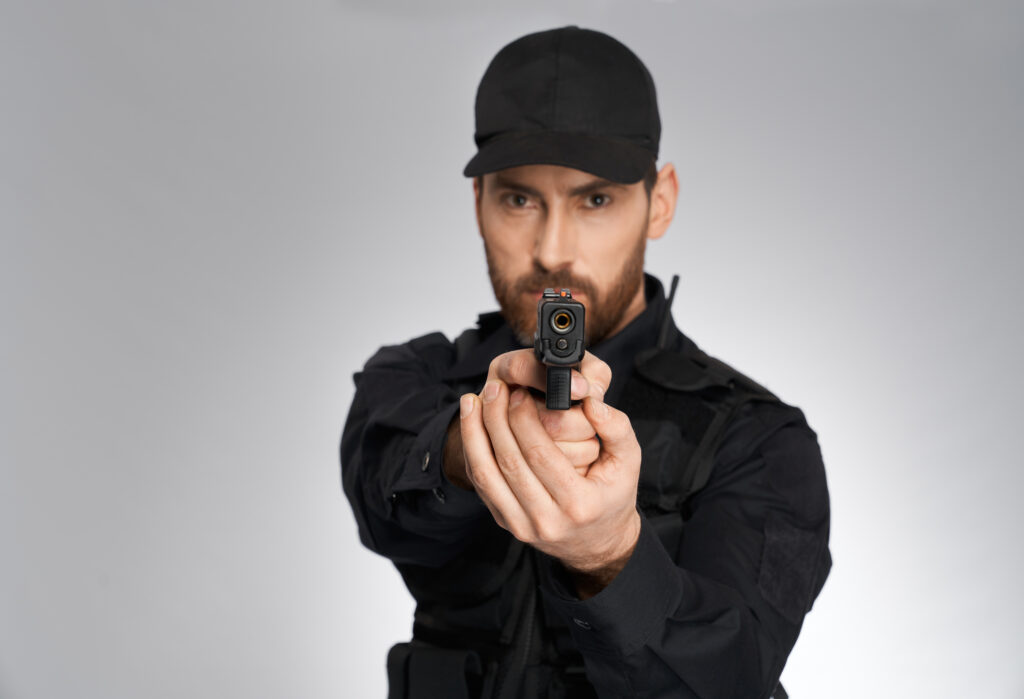
Security guards who carry firearms in a mall setting must comply with strict legal rules governing the possession and use of weapons. These regulations exist to protect both the security personnel and the people they serve. Laws governing the carrying of firearms typically include background checks, training requirements, and licensing procedures. Following these rules prevents unauthorized or unsafe use of weapons. Mall security guards also need to know the specific laws in their area about when using deadly force is justified. Breaking these legal regulations can lead to serious consequences, both legally and ethically. That’s why a solid understanding of these laws and strict compliance matter so much for armed mall security guards.
Alternatives to Carrying Guns for Security
When looking beyond firearms for security options, several strategies prioritize safety and effectiveness. One solid alternative is thorough training programs for security guards that focus on conflict resolution, de-escalation techniques, and situational awareness. When security personnel have these skills, they can handle threats without needing guns. Investing in advanced surveillance technologies such as CCTV cameras, motion sensors, and access control systems also strengthens overall mall security. Coordinating with local police to set up rapid-response plans and running regular security assessments are also key parts of a comprehensive security strategy that doesn’t rely entirely on armed guards.
Public Perception of Armed Security Guards
Examining how people view armed security guards in public spaces involves understanding different attitudes toward their role and impact on safety. Public perception often comes from media coverage and personal experiences. Some people see armed guards as a necessary way to stop potential threats, giving them a sense of safety. Others feel uneasy or intimidated by firearms in public places and worry about violence escalating or weapons being misused. Understanding these different viewpoints is important when shaping policies and practices regarding armed security guards. The goal is to make sure they actually improve public safety while also addressing community concerns.
Case Studies of Mall Security Incidents
Several incidents involving mall security have shown the challenges guards face when maintaining order and safety in these spaces. These case studies offer useful insights into how well security protocols and response systems actually work.
- Shoplifting Deterrence: Security guards stopped a series of organized shoplifting attempts through careful monitoring and quick action.
- Emergency Response: During a medical emergency, security staff coordinated with emergency services to get help to the affected person fast.
- Threat Management: A potential threat was handled by security guards using de-escalation techniques, showing why good training matters.
- Crowd Control: When a promotional event got overcrowded, security staff managed the crowd effectively to prevent safety problems.
Related Topics: