
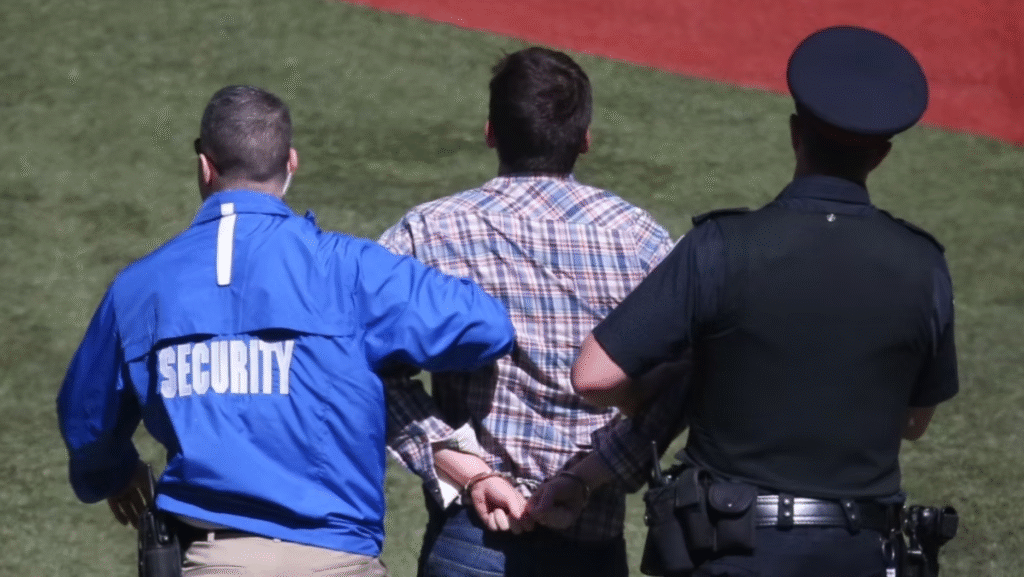
Many people wonder about the legal powers of security personnel and what they can do in different situations. The best security guards work within clear legal boundaries set by state laws when it comes to detaining individuals. This article explains when security guards can detain someone, what rights you have during detention, and the proper procedures they must follow. Understanding these rules helps both security staff and the public know what’s allowed and what isn’t during security encounters.
Legal Authority of Security Guards
Security guards get their legal power from state laws that spell out what they can and cannot do on their assigned property. These laws let guards enforce rules, stop crimes, and protect people and property. Guards can patrol areas, watch security cameras, and respond when problems happen. They can also ask for ID, tell people to leave, and hold someone under certain conditions. Each state has different rules, so guards must know the laws in their state. Following these laws helps guards do their job right while staying within legal limits.
Conditions for Detaining Individuals
Security guards can only detain people when specific conditions are met according to state laws. The main requirement is reasonable suspicion – guards must have a good reason to believe someone committed a crime, is committing one, or is about to commit one. This belief must be based on real facts they can see or hear, not guesses or personal bias. Guards must also stay within their job duties and not exceed their authority. The way they detain someone must match the situation – they can’t use too much force for minor issues. Meeting these conditions is important for guards to detain people legally.
Rights of the Detained Person
People who security guards detain have important rights that must be respected. You have the right to know why you’re being held, and guards must tell you clearly and quickly. You also have the right to stay quiet and not answer questions that might get you in trouble. During detention, guards must treat you with respect and provide basic needs like bathroom access and medical help if needed. Any searches must be done legally and respect your privacy. Guards cannot search you inappropriately or violate your rights. These protections help make sure detention is fair and legal.
Procedures for Detention
Security guards must follow specific steps when detaining someone to make sure everything is done legally and properly.
Key Procedures for Detention:
- Have Good Reason: Guards must believe based on facts that the person committed, is committing, or will commit a crime.
- Use the Right Amount of Force: Guards can only use the force needed to hold someone safely, following legal rules.
- Tell the Person Why: Guards must clearly explain why they’re holding someone and inform them of their rights.
- Call Police When Needed: If the situation is serious, guards should contact law enforcement quickly to ensure proper handling.
Limitations on Security Guards’ Powers
Security guards have clear limits on what they can do, even when detaining someone. They cannot use too much force or hurt people unnecessarily, as this can lead to legal problems. Guards can only act on the property they’re hired to protect – they cannot chase people into public areas or other buildings. They also cannot arrest people like police officers can; they can only hold them until real police arrive. Guards cannot search vehicles or personal belongings without permission or legal cause. Understanding these limits helps guards stay within the law and helps people know what guards cannot do to them.
Handling Encounters With Security Guards
When you meet security guards, knowing how to handle the situation properly protects both you and them. Here are simple tips to follow:
- Stay Calm: Keep cool and don’t make the situation worse by getting upset or argumentative.
- Know Your Rights: Learn what security guards can and cannot legally do to you.
- Be Reasonable: Follow fair requests but politely stand up for your rights when needed.
- Keep Records: Write down the guard’s name, location, and what happened in case you need this information later.
Related Topics: