
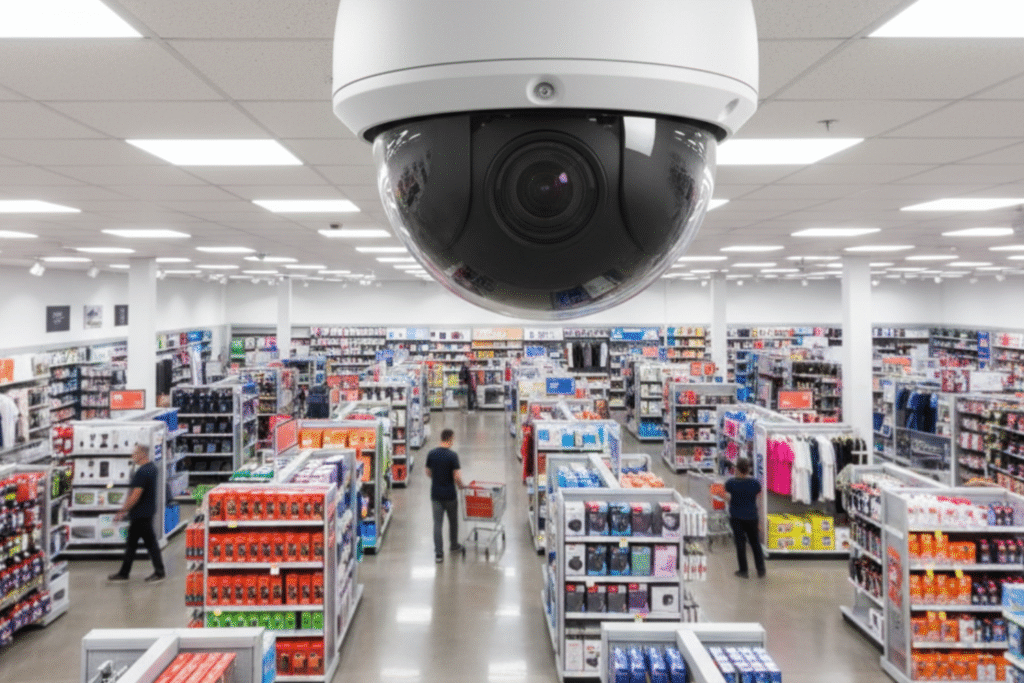
Certified private security guards and businesses rely on proven best practices in loss prevention to protect their assets and reduce theft. This guide covers the most effective techniques clients use to prevent losses and improve security. These methods include thorough employee training, advanced surveillance technology, robust access control, intelligent inventory management, and data analysis. Each strategy works together to create a complete security system. When applied correctly, these practices enable businesses to address security issues before they become serious problems.
Employee Training
Staff training forms the foundation of any strong loss prevention program. Teaching employees to recognize suspicious behavior and respond to theft incidents effectively reduces security risks. Training sessions should cover security protocols, risk awareness, and proper response procedures to ensure a comprehensive understanding of these essential topics. Interactive workshops and real-world scenarios help staff develop practical skills they can use immediately. Regular refresher courses keep everyone updated on new security threats and response techniques.
Surveillance Systems
Modern camera systems enable businesses to monitor their premises and deter criminal activity. High-definition cameras positioned in strategic locations enable real-time monitoring of all areas. These systems capture clear evidence when incidents occur and help deter theft before it happens. Regular equipment maintenance ensures that cameras function properly and are ready to record. Motion sensors and alarms connected to cameras create alerts when unusual activity occurs, allowing for quick response.
Access Control Measures
Following best practices in loss prevention means controlling who enters different areas of your facility. Keycard systems, biometric scanners, and PIN codes limit access to authorized personnel only. These tools help track who enters and exits specific areas throughout the day. Regular updates to access permissions keep security current as staff changes occur. Training employees on proper entry procedures strengthens your overall security approach.
Inventory Management
Smart inventory tracking prevents both shortages and excess stock, which can lead to significant losses. Just-in-time ordering and regular cycle counting maintain proper stock levels. Accurate demand forecasting helps predict what inventory you’ll need and when. Clear communication between departments and suppliers supports timely restocking based on current sales. RFID tags and inventory software enable faster and more accurate tracking of products, allowing you to identify issues early.
Data Analysis Techniques
Analyzing security and sales data helps identify patterns that point to potential theft or loss. Mining through transaction records reveals unusual activities that need attention. Understanding relationships between different variables helps predict where problems might occur. Forecasting models enable you to identify potential threats and take action before losses occur. A data-focused approach helps you stay ahead of security challenges.
Incident Response Planning
Having clear response procedures ready helps minimize losses when security incidents occur. Set protocols define how to identify, assess, and respond to different types of security breaches. Regular drills prepare team members for their specific roles during emergencies. Risk assessments help identify weak points in security before problems arise. Quick communication channels and clear escalation steps help reduce response times and contain security issues more effectively.
Related Topics: