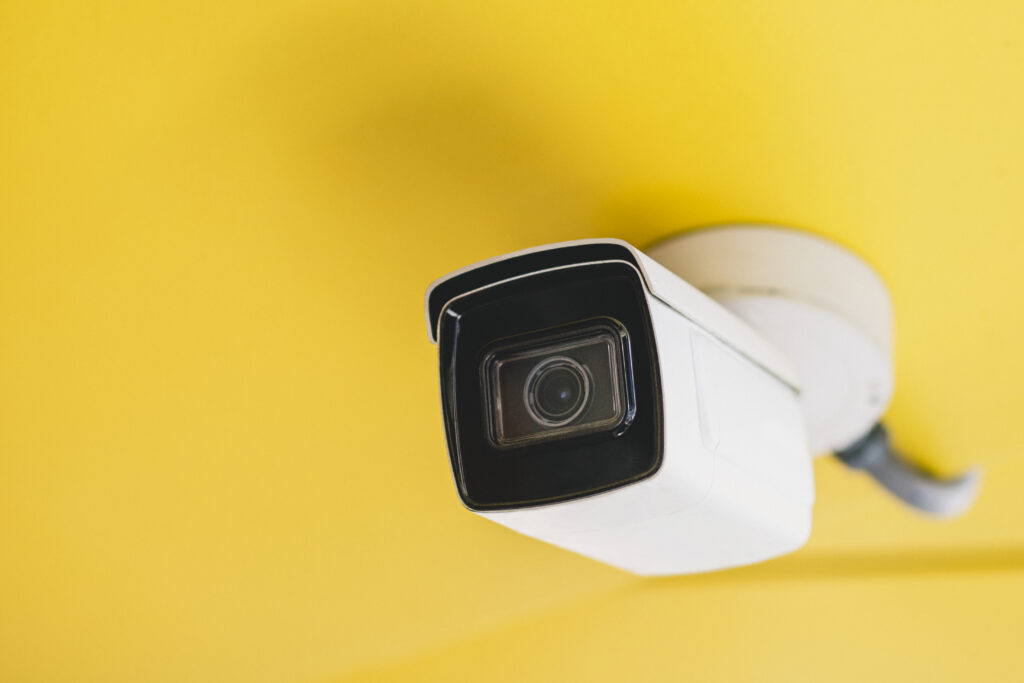
The best placement for indoor vs. outdoor security cameras depends on how each area contributes to the overall safety of a property. Indoor security cameras capture what happens inside at entryways, hallways, and near valuable items, while outdoor security cameras monitor entry points, driveways, and perimeter zones. Proper positioning helps ensure clear footage, prevent tampering, and strengthen your home or business security system, which is why private security guards in Downey often recommend a strategic mix of both indoor and outdoor camera coverage for comprehensive protection.
Indoor Security Camera Placement
Effective indoor camera placement begins with identifying areas where activity is most likely to occur. Position cameras near front and back doors, hallways, and rooms that contain valuables such as safes, electronics, or important documents. Mount cameras at eye level to capture facial details and keep them angled away from windows or direct light sources to prevent glare.
For better results, place cameras in corners to expand the field of view and reduce blind spots. Adjust each camera’s tilt and focus to ensure no obstructions, such as furniture or décor, block the image. Customer feedback often highlights that well-placed indoor cameras provide peace of mind by recording key areas without affecting privacy.
Outdoor Security Camera Placement
Outdoor camera positioning plays a major role in deterring intruders and recording activity around your property. Install cameras at main entry points, doors, gates, garages, and driveways where motion is most common. Position each camera approximately 9 to 10 feet above the ground to strike a balance between visibility and tamper resistance.
Angle cameras slightly downward for better recognition of faces and vehicles, and avoid pointing them directly at bright lights or reflective surfaces. Many users note that cameras covering side alleys and backyards significantly reduce blind spots and strengthen perimeter protection.
Factors to Consider for Indoor Cameras
Before installing, review the layout and purpose of each indoor space to ensure a seamless integration. Identify entrances, exits, and areas that need regular monitoring. For example, a camera in the living room may cover both entryways and high-traffic zones.
When evaluating placement, ensure cameras are out of easy reach to prevent interference. Use models with adjustable lenses or wide-angle coverage to improve clarity across larger rooms. Feedback from homeowners often emphasizes that fine-tuning angles and lighting leads to more reliable recordings and easier evidence retrieval if needed.
Factors to Consider for Outdoor Cameras
Outdoor setups must account for environmental factors, including weather, light, and movement. Select cameras that are weather-resistant and capable of operating in a wide range of temperatures. Consider features like infrared or night vision for low-light conditions and high-resolution lenses for sharper images.
Evaluate each camera’s field of view to make sure entryways, side paths, and secluded corners are covered. Periodically check the camera’s connection and mounting stability to ensure continuous monitoring. Many professional installers recommend routine adjustments as lighting and landscaping change over time.
Ideal Locations for Indoor Cameras
Key indoor locations include:
- Main entrances are to be monitored to track who comes and goes.
- Common areas, such as living rooms, hallways, and kitchens, are where activity frequently occurs.
- Rooms with valuables, where an additional camera angle provides focused coverage.
Keep each camera at eye level for recognizable footage and away from direct sunlight or lamps. Customers often report the best results when cameras blend naturally into the décor while still maintaining strong visibility.
Ideal Locations for Outdoor Cameras
Essential outdoor spots include:
- Front doors to record deliveries and visitor activity.
- Backyards and side entrances to cover less-visible areas.
- Garage doors and driveways for vehicle monitoring.
- Property corners to capture a wide field of view and eliminate blind spots.
Install cameras at about 9 feet high and angle them to minimize glare. Regularly review recorded footage to confirm the positioning remains effective as lighting conditions change throughout the year.
Placing indoor and outdoor security cameras strategically ensures full property coverage, clear visuals, and reliable surveillance. Combining thoughtful positioning with durable equipment and ongoing feedback from real-world users helps create a security setup that performs consistently and earns long-term trust.
Contact Us
We’re here to provide the security solutions you need. Whether you’re seeking a quote, have questions, or need assistance, reaching out is easy.
📧 Email us at info@allcode4.com for general questions or to request more information.
📞 Call Us: Speak directly with our team at (888) 601-5311.
📍 Visit Us: 10907 Downey Ave UNIT 202, Downey, CA 90241
💬 Live Chat: For quick questions, use our live chat feature on the bottom right of the page.
🌐 Request a free consultation or quote by visiting our Quote for Services page.
We look forward to assisting you with your security needs!
Related Topics: