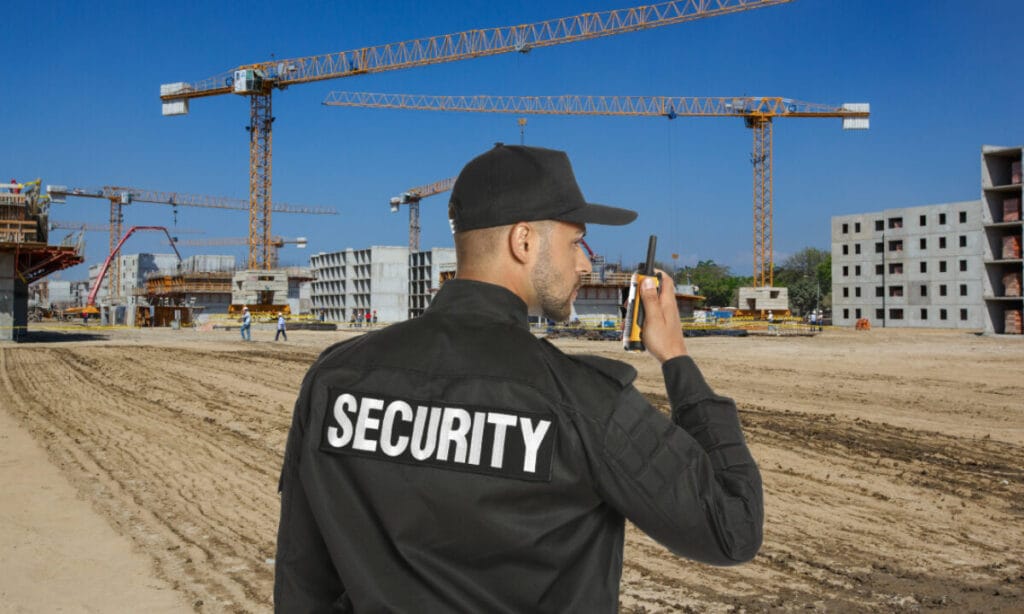
Why Residential Areas Need Security Guards: Protecting Families and Property
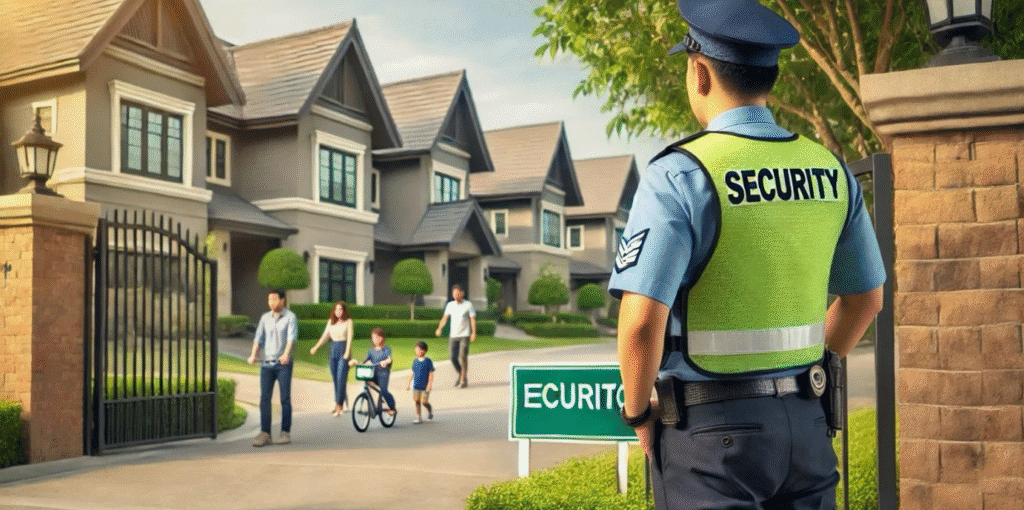
Trusted private security guards bring many benefits to residential communities by preventing crime, providing fast emergency help, improving community safety, protecting valuables, and offering 24-hour monitoring. This guide explains how security guards help keep neighborhoods safe and secure. We’ll look at how guards stop criminals, handle emergencies, make residents feel safer, protect property, and watch over communities around the clock.

Deterrence of Criminal Activities

Security guards in neighborhoods play a key role in stopping criminal activities by staying visible and following safety rules. Just seeing guards can scare away potential criminals because they are trained to spot and handle suspicious behavior quickly. Guards do regular patrols and watch security cameras, which creates a feeling of safety that spreads through the community. This makes the area less attractive to criminals. Their ability to enforce safety rules helps keep residents and their property safe. Guards know how to handle security problems and threats, which helps create a safe environment for families and their belongings.

Rapid Response to Emergencies

Quick response during emergencies is vital for keeping residents safe in neighborhoods. Security guards are important for handling emergencies like medical problems, fires, or criminal activities quickly. Their training helps them check situations quickly, talk to emergency services well, and take action right away to reduce risks. Having security guards in residential areas makes emergency response much faster, which can save lives and prevent more damage. Guards can help residents evacuate safely, give first aid when needed, and secure the area until help arrives. This fast and organized response is important for keeping everyone safe and protecting both people and property.

Enhanced Sense of Community Safety

Residents feel much safer when trained security professionals are present in their neighborhoods. Security guards help create a stronger feeling of community safety through their watchful presence and proactive actions. They work to create a secure environment for everyone. Here are five ways security guards make communities feel safer:

  • Doing regular patrols to scare away potential threats
  • Watching security cameras and alarms for quick responses
  • Helping and guiding people during emergencies
  • Making sure community rules are followed properly
  • Building trust with residents to create strong community bonds


Protection of Valuables and Assets

Protecting valuable items and property is a major concern for keeping communities safe and secure. Security guards play a significant role in protecting valuable items, including jewelry, electronics, and important papers. By staying visible and watching entry points, guards scare away thieves and vandals who might target homes in the community. Their training in checking and reducing security risks helps them find weak spots that could put residents’ belongings at risk. If a security problem happens, guards can respond quickly and effectively to reduce the loss of valuables and property. Their presence gives residents peace of mind knowing their possessions are being actively protected.

Round-the-Clock Security Monitoring

Security guards provide 24-hour monitoring to ensure continuous protection of residential areas and the people who live there. Through careful watching and quick response, guards create a safe environment for families and their property. The all-day security monitoring includes several important parts:

  • Constant watching of entry and exit points to stop unauthorized access
  • Monitoring security cameras to spot suspicious activities quickly
  • Regular patrols around the neighborhood to scare away potential threats
  • Quick response to alarms or emergency calls to handle problems effectively
  • Working with the police for better security measures

This complete monitoring system gives residents a sense of security and peace of mind, making security guards essential in residential areas.


    How Security Guards Handle Security Breaches: Key Steps for Protection

    Security breaches can happen at any time and require quick, smart action to protect people and property. This guide explains the main steps security guards take when dealing with breaches. We’ll cover how guards check the situation, take fast action, communicate with their team, work with police, and keep records. These steps help any professional private security guard respond well to security problems.

    Situation Assessment

    When security guards find a security breach, they first need to assess the situation and determine its severity. This means looking around, gathering information, and identifying the risks that exist. Guards quickly identify the breach’s location, determine what went wrong, and assess whether critical assets are at risk. They look at the situation carefully so they can decide what to do next. This first check helps guards make a plan to fix the problem and keep the area safe. A good assessment makes everything else work better.

    Immediate Response Actions

    After finding a security breach, guards must act fast to stop the problem from getting worse. First, they determine the extent of the breach and identify the affected areas. Then, guards secure the area by blocking off the space to keep people out and protect evidence. At the same time, they call the right people and start emergency plans. Guard teams work together, giving each person specific jobs and sharing important information. Guards stay alert and ready to change their approach if needed. They also write down everything they do for later review and legal reasons. Quick action helps protect the building and keeps everyone safe.

    Communication Protocols

    Good communication helps security teams work together during breaches. Clear ways to talk are needed when stress is high so everyone gets information quickly and correctly. Guards use two-way radios or phones to stay in contact no matter where they are in the building. Each team member knows their job in the communication chain—reporting problems, asking for help, or giving updates. Teams practice communication regularly to stay sharp and fix any problems with their system. Strong communication helps guards act fast and protect the area well.

    Coordinating With Authorities

    Security guards must work closely with police and emergency responders when breaches happen. Quick communication with local law enforcement is key to getting the right help. Guards need to provide clear information about what’s happening, including the type of breach and any associated dangers. They also share details about current security measures and what they’re doing to control the situation. Good coordination helps create a strong response team that can handle the breach better. This teamwork reduces risks and makes everyone safer.

    Incident Documentation

    Keeping good records of security breaches helps guards track what happened and learn from it. Detailed reports should include when and where the breach happened, what occurred, who was involved, any witnesses, and what actions were taken. Using standard forms or computer systems makes reporting easier and more consistent. Adding photos, videos, or drawings can help explain what happened. Guards should record not just the breach but also what they did after, like calling police or adding more security. Good records help spot patterns, find weak spots, and improve security plans to prevent future problems. Proper documentation is a key part of good security management.


    Related Topics:

    Key Legal Limitations of a Security Guard: What You Should Be Aware Of

    Security guards have important jobs, but they also face strict legal rules and limits. Knowing these boundaries helps guards do their work properly and stay out of legal trouble. This guide explains the main legal limits that security guards must follow. A leading security guard company trains its staff to understand these rules from day one. We’ll cover authority limits, force rules, privacy rights, required paperwork, and how to work with police.

    Scope of Authority

    Security guards have specific duties listed in their job descriptions and company rules. These duties usually include watching buildings, following company policies, and stopping criminal activity. However, guards cannot do everything that police officers can do. They cannot make arrests without proper training or warrants. Guards must stick to their job duties and company rules to work within the law. Understanding these limits helps guards stay professional and legal. Breaking these boundaries can cause serious problems for both the guard and their employer.

    Use of Force

    Security guards can only use force when necessary to protect themselves or others from harm. The amount of force used must match the level of threat they face. Guards should never use more force than needed. Good guards learn how to calm down tense situations without using physical force. They must understand what “reasonable force” means because using too much force can lead to legal problems. Regular training helps guards know when and how to use force properly. Clear company policies also help guards make the right decisions in difficult situations.

    Privacy Rights

    Security guards must respect people’s privacy rights while keeping everyone safe. Guards can only collect personal information for real security reasons and must keep this information private. Any cameras or monitoring must follow local laws to protect people’s privacy. Guards need training on how to handle sensitive information the right way. They must understand that protecting privacy helps build trust with the people they serve. Breaking privacy rules can damage both the guard’s reputation and their company’s reputation.

    Legal Documentation

    Proper paperwork helps security guards understand their job limits and what employers expect from them. Important documents include:

    • Job descriptions that explain duties and responsibilities
    • Codes of conduct that set professional standards
    • Rules and regulations that show legal boundaries
    • Incident reporting procedures for documenting events
    • Site-specific protocols for different locations

    These documents give guards clear guidelines on how to do their jobs legally and effectively. Guards must read and follow these documents to avoid legal problems and perform their duties correctly.

    Interaction With Law Enforcement

    Security guards must know how to work properly with police officers. When police arrive, guards should stay calm and be helpful. Guards need to identify themselves and explain what happened. They should not try to do police work or get in the way of police procedures. Guards must follow police instructions and never lie or give false information. Good communication and cooperation with the police help solve security problems quickly and safely. Following these rules helps guards maintain their professional reputation and avoid legal issues.


    Related Topics:

    Key Responsibilities of a Security Guard: Ensuring Safety and Protection

    Security guards play a vital role in protecting people and property from various threats. This guide explains the main duties that security guards handle daily. Security guard companies train their staff to manage these responsibilities effectively. We’ll cover security planning, watching and monitoring, managing who enters buildings, handling emergencies, and keeping detailed records. Understanding these duties helps you know what to expect from professional security services.

    Security Measures Implementation

    Security guards start by checking for risks and making plans to handle them. This first step helps them create security rules that match specific threats. By looking at possible dangers carefully, guards can prevent security problems before they happen. This planned approach makes the overall security stronger and shows clients that guards can handle security challenges well. Through careful planning and attention to detail, security guards create strong protection that meets and goes beyond what people expect from security services.

    Surveillance and Monitoring

    Watching and monitoring are key parts of security work that help guards stay alert and respond quickly to threats. Using modern technology and smart camera placement, guards make sure they can see all areas at all times. Security teams carefully watch live video feeds and recorded footage to spot unusual activities or security problems right away. They also check regularly to make sure cameras are positioned for the best coverage.

    • Setting up motion sensors in surveillance systems to warn guards about unauthorized movement
    • Using video analysis software to improve monitoring and spot suspicious behavior
    • Connecting access control systems with surveillance cameras to track people entering and leaving


    Access Control Management

    Managing who can enter buildings is important for keeping premises safe and secure. By carefully controlling who goes in and out, guards can reduce security problems and stop unauthorized access. Access control systems like keycards, fingerprint scanners, and security checkpoints help with this process. Guards regularly review and update access permissions when staff changes happen to keep the environment secure. Checking access logs and doing audits helps find unusual activities or suspicious behavior quickly. Guards work with building managers to create access control rules that fit each site’s specific needs. Regular training on access control procedures ensures the security team can handle entry management well.

    Emergency Response Preparedness

    Security guards must be ready to handle unexpected emergencies effectively. Creating a complete emergency response plan is necessary for proper preparation. The plan focuses on these important parts:

    • Running regular emergency drills to ensure quick and effective responses
    • Keeping updated emergency contact lists for fast communication during crises
    • Working with local emergency services to improve coordination and response efforts

    These elements are important for making sure security teams are well-prepared to handle emergencies accurately and efficiently. By practicing regularly, staying organized, and working with outside resources, security teams can effectively reduce risks and protect buildings and people during crises.

    Incident Reporting and Documentation

    Security teams keep detailed incident reports to make sure all security events are recorded accurately. Each report includes important information like the date, time, and location of incidents, a clear description of what happened, people involved, actions taken, and results. By documenting incidents completely, guards can spot patterns, trends, and potential security risks. This documentation helps improve security measures, fix weak points, and make safety procedures better. Accurate incident reporting is also important for legal and insurance reasons, providing a clear record of events that may be needed for investigations or claims. This commitment to careful documentation ensures security teams maintain high standards of professionalism and responsibility.


    Related Topics:

    Why Businesses Need Security Guards: Enhancing Workplace Safety

    Business owners face many security challenges that can harm their operations and staff. A reliable private security guard helps solve these problems by providing protection and peace of mind. This article explains why security guards are important for businesses and how they improve workplace safety. We’ll look at crime prevention, emergency response, employee protection, asset security, and maintaining order. Understanding these benefits helps business owners make smart security decisions.

    Deterrence of Criminal Activity

    Security guards on site greatly reduce the chance of criminal activity at businesses. Their visible presence stops potential criminals from engaging in illegal activities on the property. Just seeing a security guard can prevent theft, vandalism, and other crimes before they happen. Security guards know how to spot and reduce security risks, making the business environment safer. They do regular patrols, watch security cameras, and control who enters the building. This creates a secure atmosphere that discourages criminal behavior. This protective approach not only keeps assets and employees safe but also builds trust within the business community.

    Quick Response to Incidents

    Security guards help businesses respond fast and effectively when incidents happen. They’re trained to assess situations quickly, decide what to do, and act right away. Their presence can stop potential threats and make employees and customers feel secure. During emergencies, security guards can start emergency procedures, call emergency services, and help people get to safety. This quick response can stop small problems from becoming big crises, reducing potential harm and damage to the business. Security guards can also collect important information and evidence after an incident, helping with investigations and legal matters. The fast response ability of security guards is key to keeping a safe and secure work environment.

    Enhanced Employee and Customer Safety

    Security guards do more than respond to incidents – they actively improve safety for both employees and customers. By watching the premises closely, security guards stop potential threats and create a secure environment that helps productivity and builds customer trust. Their presence alone can discourage criminal activities or disruptive behavior. When emergencies happen, security guards are trained to handle situations quickly and effectively, reducing harm to people and keeping things orderly. They can also enforce safety rules and provide guidance during crises, improving preparedness and ensuring a quick, coordinated response. Security guards make a big difference in the overall safety and well-being of everyone in the business environment.

    Protection of Assets and Property

    Protecting assets and property is vital for keeping a business running smoothly and financially stable. Security guards help deter theft, vandalism, and unauthorized access to valuable assets. Security personnel monitor surveillance systems, conduct regular patrols, and respond promptly to any security issues. During emergencies like break-ins or fires, security guards are trained to take immediate action to protect assets and reduce risks. Their presence alone can strongly discourage potential criminals. Through smart placement and careful monitoring, security guards help protect a business’s physical property, equipment, and important assets.

    Maintenance of Order and Security

    Security guards are essential for maintaining order and security in business environments. They prevent potential disruptions, enforce safety rules, and respond quickly to security incidents. Having security guards on-site helps businesses stop unauthorized people from entering restricted areas, reduce the risks of theft or vandalism, and protect the well-being of employees and visitors. Security guards also help create a secure and controlled environment by monitoring surveillance systems, doing regular patrols, and controlling access. Their strategic positioning and constant watchfulness not only improve the physical security of the premises but also create a sense of safety and professionalism. The presence of security guards is crucial for maintaining order, promoting safety, and protecting business interests.


    Related Topics:

    Exploring The Role of Unarmed Security Guards in Public Safety
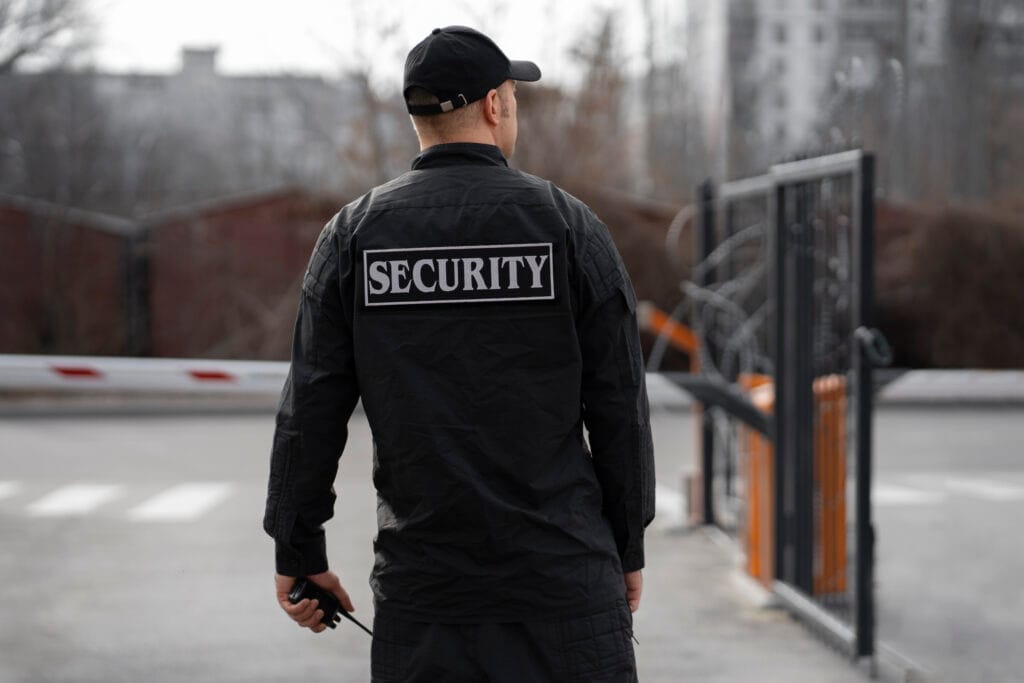
    A private security guard plays a key role in keeping our communities safe and secure. This article looks at how unarmed security guards help protect public spaces and the people in them. We’ll cover why they’re important, what they do each day, their training needs, and the problems they face. You’ll also learn about new technology that’s changing how security works. Understanding these points shows how security guards help make our world safer.

    Importance of Unarmed Security Guards

    Unarmed security guards are vital for keeping public places safe and secure. Just by being there, they stop criminals and troublemakers from causing problems. People feel safer when they see security guards around. When something goes wrong, these guards act fast to handle the situation properly. They watch what’s happening, report problems, and talk to the right people quickly. This helps stop small problems from becoming big ones. Security guards are needed in many places, such as schools, hospitals, shopping centers, and office buildings. They help create a peaceful environment where everyone can feel protected.

    Duties and Responsibilities

    Security guards have many important jobs that help keep places safe. They walk around buildings and areas to watch for problems and stop crime before it happens. They check security cameras and alarms to spot trouble early. When emergencies happen, they respond right away to help people and control the situation. Guards also make sure people follow safety rules and only let authorized people into restricted areas. They help visitors and workers when they need assistance. Guards write reports about what happens during their shifts and work with police when needed. All these tasks help security guards protect the places and people they’re responsible for.

    Training and Qualifications

    Security guards must complete training and meet certain requirements to do their jobs well. Training programs teach them how to handle emergencies, solve conflicts without violence, use surveillance equipment, and follow the law. These programs equip guards with the necessary skills for various work-related situations. To become a security guard, people usually need to pass background checks, drug tests, and complete required training courses. Many guards also get certified in CPR, first aid, and other safety skills. Meeting these standards helps make sure security guards can do their jobs professionally and effectively.

    Challenges Faced in Public Safety

    Security guards face several challenges that can make their jobs harder and affect how well they protect people.

    1. Resource Constraints: Not having enough money or staff can make it hard to cover all areas that need protection properly
    2. Lack of Training: When guards don’t get enough training, they might not know how to handle difficult situations, which can put people at risk
    3. Community Relations: Building trust with the community is important, but when people don’t trust security guards, it’s harder to prevent problems and keep everyone safe

    Solving these challenges is important for helping security guards do their jobs better and keep communities safer.

    Future Trends and Innovations

    New technology is changing how security guards work and making them more effective at keeping people safe. Smart cameras with AI and drones are being used to watch for threats and respond quickly. These tools give guards better information and help them spot problems faster. Systems that recognize fingerprints and special devices guards can wear are making it easier to share information and work together during emergencies. Training programs are teaching guards how to use these new tools so they can stay current with security technology. As these advances continue, security guards will have better ways to protect the communities they serve.


    Related Topics:

    Top Security Guard License Valid States You Need to Know

    Understanding state licensing requirements is crucial for anyone pursuing a career as a security guard. This guide covers the key states with specific licensing requirements and provides essential information about each one. We’ll examine requirements for California, New York, and Texas, along with general licensing information that applies across multiple states. For professionals like Downey private security guards, knowing these regulations helps ensure proper compliance and career success.

    States Requiring Security Guard Licenses

    Most states across the United States require a security guard license to work legally in the field. Each state has its own rules for obtaining this license, which typically include completing a training program, passing a background check, and sometimes taking a written test. Some states also require extra certifications for armed security guards. You need to learn the licensing requirements for the state where you plan to work in order to comply with the law. Licensing ensures that security guards are properly trained to perform their job duties, keep the public safe, and protect property effectively. Stay updated on any changes in licensing rules to maintain your professional standing.

    Licensing Requirements in California

    To work as a security guard in California, you must meet specific licensing requirements set by the state. The process includes completing training, submitting paperwork, and passing a background check. Here’s what you need to know:

    1. Training Course: California requires security guard applicants to complete a 40-hour training course from a Bureau of Security and Investigative Services (BSIS) certified facility
    2. Application: After finishing training, you need to submit a security guard registration application with the required fees
    3. Background Check: A complete background check will verify you meet the state’s requirements for holding a security guard license

    Security Guard License in New York

    Finishing a state-approved training program is a key requirement for getting a security guard license in New York. New York requires individuals seeking to become security guards to complete an 8-hour pre-assignment training course before applying for a security guard registration card. After getting hired within 90 days, you must also complete a 16-hour on-the-job training course. In addition to these training requirements, applicants must pass a background check, be at least 18 years old, and hold a high school diploma or its equivalent. The licensing process in New York is thorough and designed to make sure security guards are well-prepared to handle their duties effectively and professionally.

    Texas Security Guard License Information

    Getting a security guard license in Texas requires meeting specific training and eligibility rules set by state authorities. To successfully get your license, follow these key steps:

    1. Training Requirements:
      • Complete at least 6 hours of classroom training
      • Complete 40 hours of training within the first six months of getting licensed
      • Get firearms training if your job requires it
    2. Eligibility Criteria:
      • Be at least 18 years old
      • Have a clean criminal record
      • Pass a background check
    3. Application Process:
      • Apply with all required documents
      • Pay the required fees
      • Wait for approval from the Texas Department of Public Safety

    Validity of Security Guard Licenses

    Ensuring your security guard license remains valid is crucial for adhering to state regulations and continuing your work in the field. To check your license status, most states offer online databases that allow you to verify if your license is current. You must renew your license before it expires to avoid any interruptions to your security duties. Remember that some states require extra training or tests for license renewal, so stay informed about your state’s specific requirements. Keeping your license current demonstrates your commitment to professionalism and adherence to industry standards. By staying proactive about maintaining the validity of your license, you help preserve the integrity of the security guard profession.


    •  

    What Security Guard Qualifications Are Employers Looking For

    The security industry has specific requirements that job seekers must meet to land positions with reputable companies. This guide breaks down the key qualifications that employers look for when hiring security personnel. We’ll cover training requirements, physical standards, communication abilities, attention skills, and background expectations. Understanding these requirements helps you prepare for a successful career as a local private security guard.


    Essential Training and Certifications

    Getting proper training and certifications is the first step to becoming a qualified security guard. You need to complete approved security training programs that teach emergency procedures, report writing, and legal limits. Obtain certifications from reputable organizations, such as the American Society for Industrial Security (ASIS) or the International Foundation for Protection Officers (IFPO). These certifications demonstrate to employers that you’re serious about professional security work. Consider investing in additional training in first aid, CPR, and conflict resolution to enhance your value. Ongoing learning and skill development help you succeed in this field.


    Physical Fitness and Health Requirements

    Security work requires good physical condition and adherence to health standards. Security guards often stand, walk, and handle physically demanding tasks for long periods. Employers seek candidates who can effectively manage these physical demands. Good fitness helps you respond quickly to emergencies and deter threats just by being present. Health requirements usually include passing a medical exam to prove you’re fit for duty, including vision and hearing tests. Some employers have specific fitness standards you must meet to get the job. Taking care of your physical health is key to doing well in security services.


    Strong Communication and Interpersonal Skills

    Effective communication and strong people skills are essential for the success of a security guard. These abilities enable you to work effectively with coworkers, clients, and the public. Focus on developing these key areas:

    1. Active Listening: Pay full attention to what others say to understand their needs and concerns
    2. Verbal De-escalation Techniques: Learn to calm tense situations through effective talking
    3. Written Communication: Build clear writing skills for incident reports and paperwork
    4. Cultural Sensitivity: Understand and respect different backgrounds to communicate respectfully with everyone


    Attention to Detail and Observation Abilities

    Sharp attention to detail and strong observational skills help you accurately spot and evaluate potential security risks. Pay close attention to your surroundings and notice even small things that might signal a security threat. Practice scanning crowds or watching surveillance footage with a careful eye, looking for suspicious behavior or unauthorized people. Develop a systematic approach to observing and recording incidents to ensure you don’t miss any important details. Strong observation skills and attention to detail enable you to identify and prevent security issues, as well as respond promptly to potential threats.


    Prior Experience and Background Checks

    When hiring security guards, employers conduct thorough background checks and review experience to protect the safety of their properties.

    1. Criminal Background Checks: Employers want a clean criminal record to ensure the candidate can be trusted
    2. Previous Security Experience: Past security work shows you can handle security-related tasks
    3. References: Checking references from former employers gives insight into your work habits and reliability
    4. Specialized Training: Candidates with extra training in first aid, crisis management, or conflict resolution have advantages in the hiring process


    How Reliable Security Monitoring Services Can Secure Your Property

    Property owners face increasing security challenges that require modern solutions to protect their assets effectively. Security monitoring services offer comprehensive protection through advanced technology and professional oversight. Reliable security guards and monitoring systems work together to create multiple layers of defense for your property. This guide explains how professional monitoring services protect your property through advanced surveillance, quick threat detection, proactive response, and round-the-clock support. Understanding these benefits helps you make informed decisions about protecting your valuable assets.


    Enhanced Surveillance Capabilities

    Modern security monitoring systems feature advanced capabilities, including motion detection and real-time alerts, that enhance your property’s protection. Motion detection technology can distinguish between normal activity and potential security issues, thereby reducing the frequency of false alarms. Real-time alerts let you respond immediately to suspicious activity, making your security proactive rather than reactive. These features give you precise control over monitoring your property. You can track movements around your premises, identify unauthorized access, and address security risks promptly. These upgrades give you better control over your property’s security and help protect against potential threats.


    Immediate Threat Detection

    Advanced threat detection systems identify and respond to potential risks as they happen. Modern sensors, smart algorithms, and data analysis work together in your security setup to prevent problems before they escalate. These technologies monitor your property continuously and quickly detect suspicious activities or security breaches. Early detection allows you to make informed decisions and coordinate responses efficiently. Your security team can quickly assess the severity of threats and take the necessary actions to mitigate risks. Investing in immediate threat detection strengthens your property’s security and protects against potential incidents.


    Proactive Incident Response

    A proactive incident response plan enables you to handle security threats efficiently and minimize potential damage to your property. Begin by conducting a comprehensive risk assessment to identify weaknesses and develop response procedures tailored to your property’s unique needs. Ensure your incident response team is well-trained, equipped with the necessary tools, and able to communicate effectively. Create a detailed incident response plan with specific actions for various security incidents, such as unauthorized access or suspicious activity. Test and update your incident response plan regularly to stay current with evolving security threats and enhance your property’s protection. Taking action before incidents happen helps you reduce risks and keep your property safe.


    24/7 Monitoring and Support

    Continuous monitoring and support systems are essential for comprehensive security coverage and rapid response to potential threats. Professional monitoring involves continuously monitoring security cameras, alarms, and sensors to detect suspicious activity promptly. This requires skilled professionals who can accurately interpret data and respond quickly when incidents occur. Support systems also play an important role in keeping monitoring operations running smoothly. This includes providing technical assistance, resolving issues promptly, and maintaining the security monitoring equipment. When monitoring and support work together, you create a complete security system that better protects your property and assets.


    Integration With Security Systems

    Connecting security monitoring services with your current security systems makes surveillance operations smoother and improves threat detection. When you combine these components, you create a unified security system that works together to protect your property. This connection enables real-time monitoring of alarms, cameras, access control systems, and other security measures, providing a comprehensive view of your property’s security status. Through seamless integration, alerts from various systems can be consolidated into a single, central platform, enabling faster response times to potential threats. The teamwork between security monitoring services and existing systems enables a more effective use of resources, resulting in a more efficient security strategy. This integration enhances your property’s security and strengthens its overall defense.


    Finding the Best Security Guard Companies Near You: What to Look For

    Choosing the right top private security company in your area requires careful evaluation of several key factors that determine service quality and reliability. This comprehensive guide covers the key elements to consider when selecting a security provider for your business or personal needs. You’ll need to thoroughly review their background, service options, professional credentials, customer feedback, and financial terms before making your final decision. Each factor plays a crucial role in your decision-making process and contributes to finding the best match for your specific situation. These considerations help ensure you find a company that matches your specific protection needs, operational requirements, and budget constraints.

    Reputation and Experience

    Start by researching the company’s reputation and track record. A strong reputation shows the quality of service you can expect. Check for companies that are known for their reliability, professionalism, and trustworthiness. Experience matters significantly – established companies with years in business handle security situations more effectively. They’ve dealt with many scenarios and built the skills needed to manage them well. Companies with solid reputations and long experience provide confidence that your security needs will be handled with skill and knowledge.

    Range of Services Offered

    Examine the services each company provides to ensure they match your needs. Look for companies that provide more than just basic security patrols. Good providers include access control, surveillance monitoring, alarm response, and emergency management. Verify if they offer specialized services tailored to your industry, such as retail security, event security, or executive protection. Inquire about their technology options, such as CCTV systems, remote monitoring, or data analytics. Knowing all available services helps you choose a provider that can address your specific security concerns and create a solution tailored to your needs.

    Licensing and Certifications

    Check that security companies have proper licenses and certifications. This demonstrates their credibility and aligns with industry standards. Find companies with licenses from government agencies and certifications from respected groups like the Security Industry Association (SIA) or the American Society for Industrial Security (ASIS). These credentials demonstrate that the company meets training, background checks, and ethical requirements. Certifications such as Certified Protection Professional (CPP) or Physical Security Professional (PSP) demonstrate higher expertise. Choosing properly licensed and certified companies gives you confidence they have the right qualifications for effective security services.

    Client Reviews and Testimonials

    Reading client reviews helps you understand the company’s reputation and reliability. When reviewing client feedback, look for these key points:

    • Consistency: Find patterns in reviews to see if the company regularly meets or beats expectations
    • Communication: Check how clients describe the company’s communication and response times
    • Professionalism: Notice comments about guard behavior and following proper procedures
    • Problem-solving: See how the company handled problems and fixed them quickly

    Client feedback provides real-world insights into your experiences with the security company you’re considering.

    Pricing and Contract Terms

    Review pricing and contract details carefully to ensure they align with your security needs and budget. Compare pricing from different companies to find the best value for required services. Look for clear pricing with no hidden fees or surprise charges that could affect your budget. Pay attention to contract details, such as agreement length, cancellation rules, and terms for changing services. Understanding these points helps you make a smart choice that meets your security needs while staying within your budget.


    Posts pagination