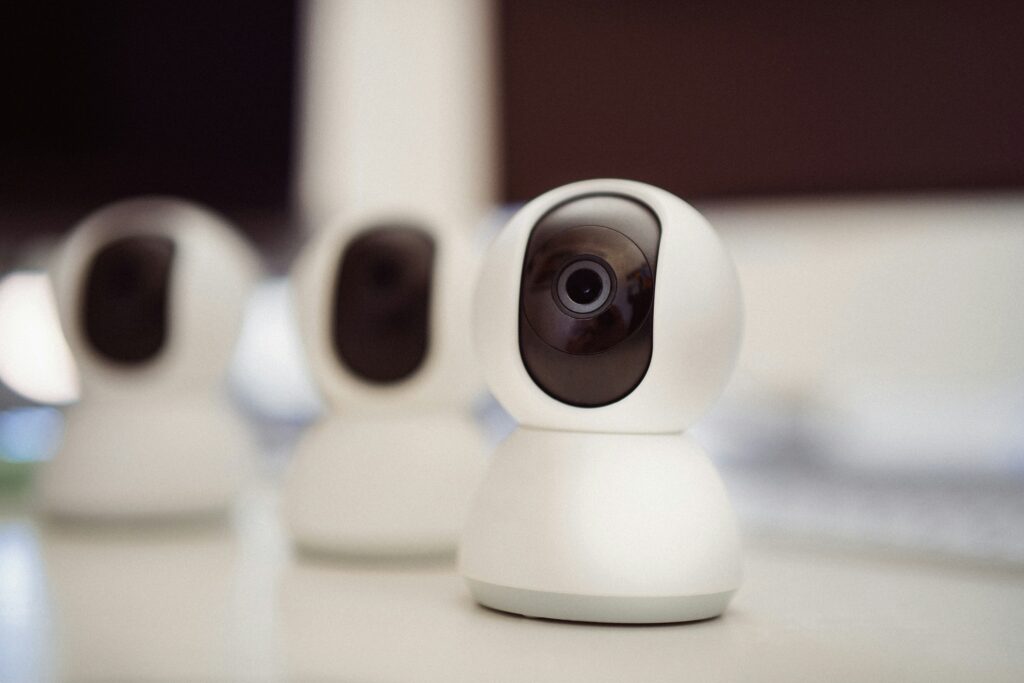
How to Reset Ring Security Camera Quickly and Easily
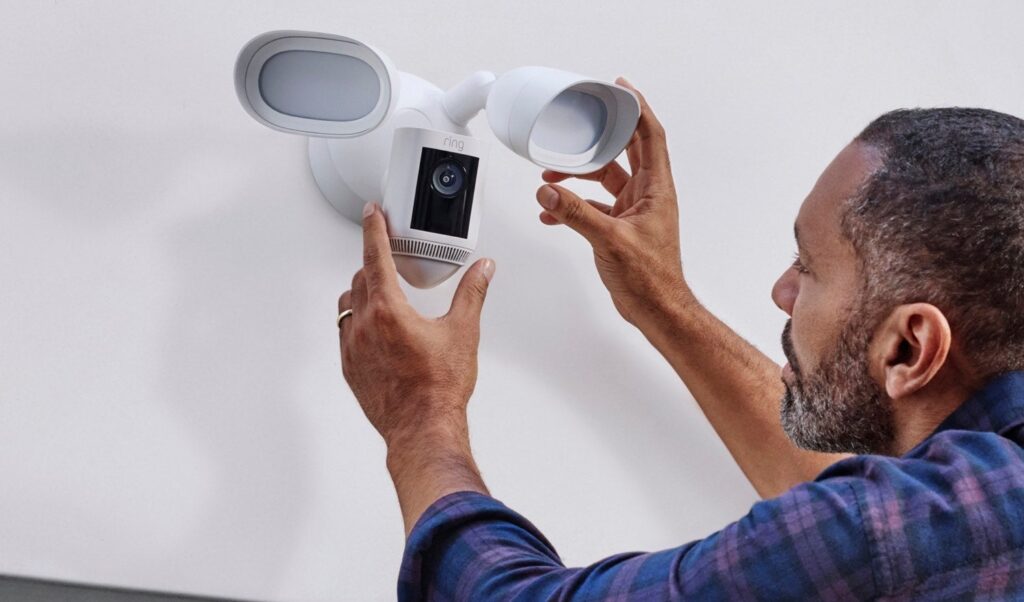
Ring security cameras have become a cornerstone of leading private security services for both residential and commercial properties. Sometimes, these cameras require a fresh start to resolve connection issues or performance problems. This guide walks you through the reset process step by step. You’ll learn what tools you need, where to find the reset button, and how to get your camera back online. The entire process takes just a few minutes when you follow these simple instructions.


Gather Necessary Tools

Before you start, grab a few items to make the reset smooth. You’ll need a small pin or paperclip to press the reset button on the camera. Ensure your internet connection is stable and functioning properly. Keep your phone, tablet, or computer nearby since you’ll need the Ring app open. Having everything ready before you begin saves time and prevents frustration. Once you have these tools, you’re set to move forward.


Locate Reset Button

The reset button sits on the back or bottom of your Ring camera. It’s a small, recessed button that requires a thin object, such as a paper clip, to reach it. Look around the area near the camera lens or where the power cord plugs in. Some Ring models hide the reset button behind a small opening to stop accidental resets. Take a moment to find it before you start the reset. Knowing where it is beforehand makes the whole process faster and easier.


Press and Hold Button

Press the reset button firmly and hold it for about 15 seconds. This restores your camera to its factory settings and clears out any glitches. Here are three tips to get it right:

  1. Firm Pressure: Press the button all the way down to trigger the reset properly.
  2. Count Time Accurately: Count slowly to 15 seconds to ensure the reset is complete.
  3. Wait Patiently: After holding the button, let the camera restart fully before touching it again.

The button needs steady pressure for the full 15 seconds. Don’t let go early, or you might have to start over.


Wait for the Light Indicator

Watch the light on your camera after you finish the reset. You should see a spinning white circle first, which means the camera is restarting. After the white circle stops spinning, the light turns solid blue. The blue light indicates that the camera is in setup mode, and the reset was successful. If you don’t see the solid blue light after the spinning stops, try the reset again. The light indicator is your assurance that everything went right. Don’t skip this step, or you might think something’s wrong when it’s actually fine.


Reconnect Camera to Network

Now, you need to reconnect your camera to Wi-Fi. Ensure your internet signal reaches the location where the camera is situated. Follow these steps:

  1. Power Cycle: Turn off the camera, unplug it, wait 10 seconds, then plug it back in.
  2. Reset Network Settings: Hold the setup button on the camera for 20 seconds until the light flashes.
  3. Reconnect to Wi-Fi: Open the Ring app, tap your camera, and follow the on-screen prompts to rejoin your Wi-Fi network.

Your camera should connect within one to two minutes. If it doesn’t, check that you entered the correct Wi-Fi password.


Complete Setup Process

The final step restores your camera to full operational status. Make sure the camera has power and shows it’s connected to Wi-Fi. Open the Ring app on your phone and tap ‘Setup Device’ at the bottom. Pick ‘Security Cameras’ from the list, then select your camera model. Enter your Wi-Fi password when prompted by the app. Set up your preferences, such as motion detection zones and notification settings. Test everything by checking the live video feed in the app. Your camera is now reset and ready to protect your space again.


Related Topics:

How to Mount Security Camera Without Drilling: Simple DIY Solutions
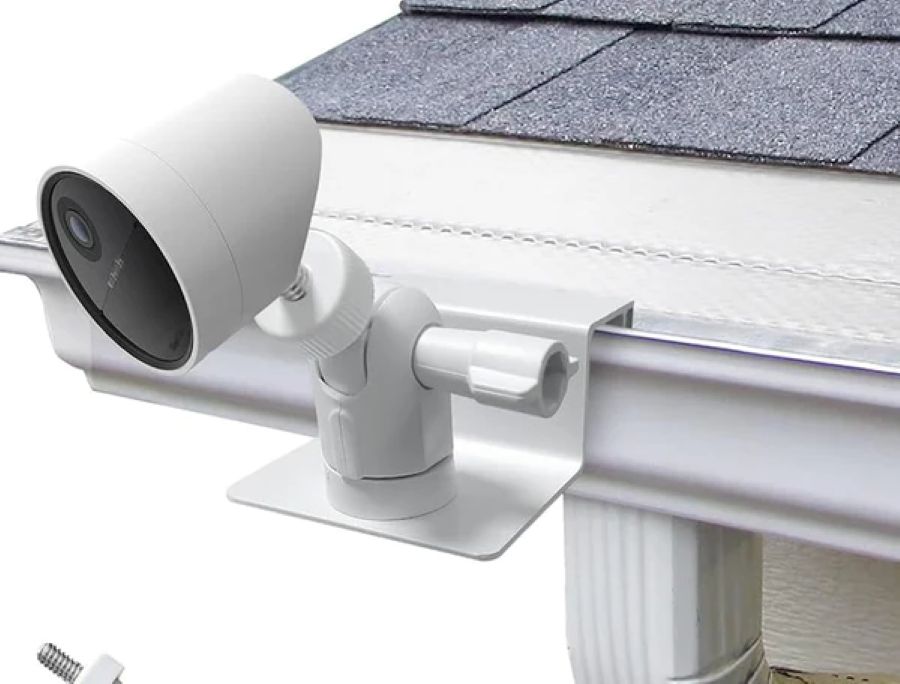
Protecting your property doesn’t always require permanent installations or complex tools. Many homeowners and renters want to install cameras without damaging walls or surfaces. Just like trusted private security guards adapt to different situations, your camera mounting solutions should be flexible too. This guide covers several no-drill methods that work for various locations and camera types. You’ll learn about adhesive strips, magnetic mounts, clamps, suction cups, and tripod stands.


Adhesive Mounting Strips

Adhesive mounting strips give you a damage-free way to secure your camera in place. Start by cleaning the mounting surface thoroughly and letting it dry completely. Peel off the backing from one side of the strip and press it firmly onto your camera. Remove the backing from the other side and position the camera where you want it to be. Apply steady pressure for a few seconds to create a strong bond. These strips are most effective on smooth surfaces, such as walls or ceilings. Check the weight capacity listed on the package to ensure it can safely hold your camera.


Magnetic Mounts

Magnetic mounts attach easily to metal surfaces without the need for tools or drilling holes. These mounts use strong magnets that stick securely to metal doors, window frames, or filing cabinets. Clean and dry the surface first to get the strongest magnetic grip. Position your camera where you need it and let the magnets snap into place. You can adjust the angle and direction at any time to achieve better coverage. The best part? You can move and reposition the camera at any time without leaving marks. This makes magnetic mounts perfect for temporary setups or rental properties.


Clamp or Clip Mounts

Clamp mounts grip onto surfaces, such as shelves, window sills, or door frames, without requiring drilling. These mounts feature adjustable arms or brackets that accommodate a wide range of camera sizes and shapes. Look for clamps made from metal or heavy-duty plastic for better stability. Ensure the clamp has a strong grip to prevent your camera from accidentally falling off. Clean the surface before attaching the clamp to help it hold better. Clamp mounts provide the flexibility to install cameras in various locations around your property. They’re easy to move if you need to change your camera’s location later.


Suction Cup Mounts

Suction cup mounts work great on glass and other smooth, non-porous surfaces. These mounts create a vacuum seal that holds your camera securely in place. Clean and dry the surface thoroughly before installation to achieve maximum suction. Press the suction cup firmly against the surface, then engage the locking mechanism to create the seal. Adjust your camera to the right angle and tighten the mount. Suction cup mounts are suitable for temporary installations or areas where drilling is not possible. Check the suction regularly to ensure it remains strong and effective.


Tripod or Stand Mounts

Tripod mounts offer a stable and flexible way to position your security camera. Here’s what makes them useful:

  1. Adjustable Height: Most tripods feature adjustable legs that allow you to set the camera at the ideal height for optimal surveillance coverage.
  2. 360-Degree Rotation: Many tripod mounts allow you to pan and tilt the camera to efficiently monitor different angles.
  3. Sturdiness: Opt for tripods with a solid construction to ensure your camera remains steady without wobbling or tipping over.

Tripods are easy to move around, making them perfect for monitoring different areas at different times.


Command Hooks or Strips

Command Hooks and Strips offer a simple, non-invasive installation option. Command Hooks have adhesive backing that securely holds lightweight cameras. Clean and dry the mounting surface before applying. Follow the weight limits and instructions on the package. For heavier cameras, use Command Strips instead. These strips provide a stronger hold and remove cleanly without damaging surfaces. Pick the right size and weight capacity for your camera. Press firmly for a few seconds when attaching the camera to the strip. Always refer to the manufacturer’s instructions for optimal results with Command products.


Related Topics:

Best Fixes for Security Camera Lag or Delayed Motion Alerts
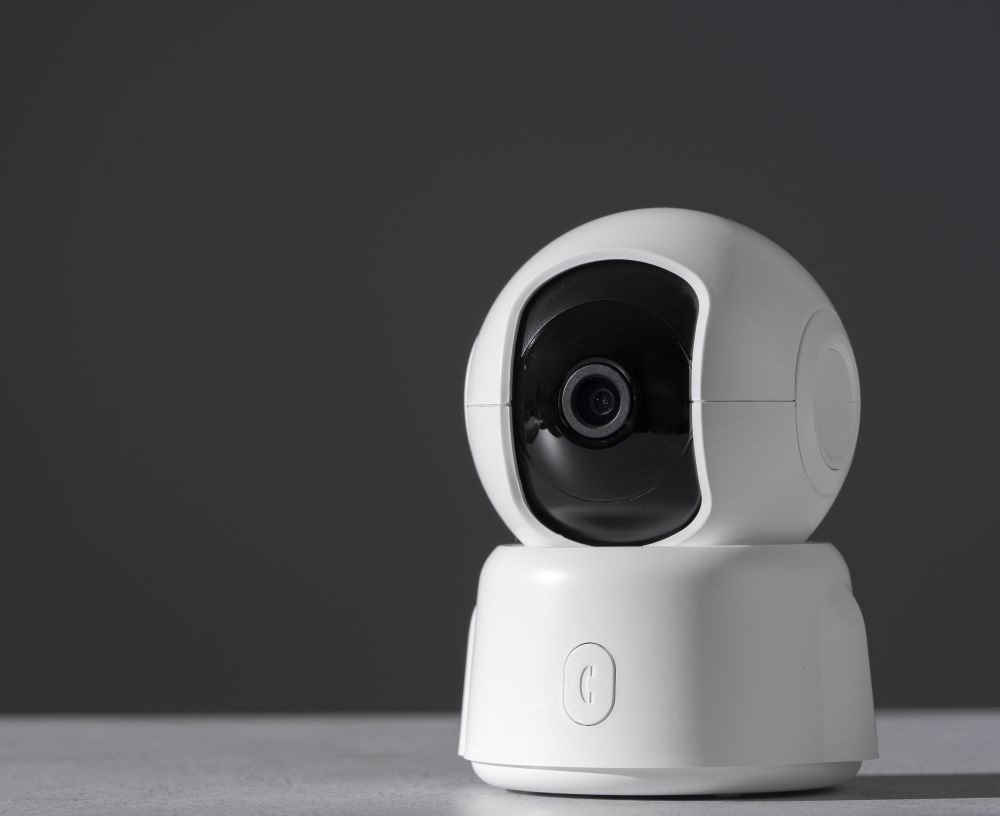
Security camera lag and delayed motion alerts can compromise your property’s protection. These issues frustrate homeowners and even local private security guards who rely on instant notifications. This guide offers practical solutions to resolve these issues and get your cameras up and running smoothly again. You’ll learn about network optimization, firmware updates, camera placement, motion detection tweaks, and bandwidth improvements. Apply these fixes to restore your system’s reliability and speed.


Check Network Connection

Your security camera needs a stable network to send footage without delays. A wired Ethernet connection typically performs better than Wi-Fi, as it offers more consistent speed and bandwidth. If you must use Wi-Fi, keep your cameras close to your router or consider using a Wi-Fi extender to boost the signal. Try to limit other devices on your network when cameras are actively recording. This reduces competition for bandwidth and helps prevent lag. A strong network connection typically resolves most delay issues immediately.


Update Camera Firmware

Camera firmware updates fix bugs, patch security holes, and enhance the performance of your system. Locate your camera’s model number and visit the manufacturer’s website to download the latest firmware version. Save the file to your computer and follow the installation steps provided by the maker. Check for updates regularly, at least once every few months , to ensure your cameras continue to function properly. Outdated firmware can create vulnerabilities that slow down your cameras and delay motion alerts.


Adjust Camera Placement

Where you place your cameras affects how well they perform. Position them to cover your target area without objects blocking the view. Avoid aiming cameras directly at bright lights or the sun, as this creates glare and washes out the image. Mount cameras high enough for a clear view but out of reach from people who might tamper with them. Angle the camera to capture the most useful footage of entrances, walkways, or problem spots. Smart placement reduces false alerts and improves detection speed.


Optimize Motion Detection Settings

Fine-tuning your motion detection settings reduces false alerts and increases the speed of real notifications. Here’s how to dial in your settings:

  1. Sensitivity: Lower the sensitivity to ignore small movements, such as leaves or shadows, that don’t affect security.
  2. Detection Zones: Set up zones that focus on important areas, such as doors and driveways, while ignoring busy streets or neighbors’ yards.
  3. Notifications: Select which events trigger alerts, so you only receive notifications about real threats, not every minor movement.

Proper settings mean your camera spends less time processing irrelevant motion and more time catching what actually matters.


Increase Internet Bandwidth

Faster internet speeds mean quicker data transfer between your camera and phone or computer. Higher bandwidth delivers real-time video feeds and instant motion alerts without buffering. Consider upgrading your internet plan to get faster speeds if you’re experiencing constant lag. Switch to a more reliable internet provider if your current service can’t handle multiple cameras. Use wired connections for cameras when possible instead of relying solely on Wi-Fi. Run speed tests periodically to check if your internet can support the needs of your camera system.


Reset Camera Settings

Sometimes, a simple reset can resolve stubborn performance issues and restore your camera to normal operation. Here’s how to reset your camera:

  1. Access Camera Settings: Open your camera app or web interface and find the settings menu.
  2. Select Reset Options: Look for ‘Factory Reset’ or ‘Restore Default Settings’ in the menu.
  3. Confirm Reset: Follow the prompts to complete the reset and let your camera restart.

After resetting, you’ll need to reconfigure your settings, but this often resolves lingering lag issues that other fixes couldn’t resolve.


Related Topics:

How to Install Outdoor Security Cameras on Brick or Siding Safely and Securely
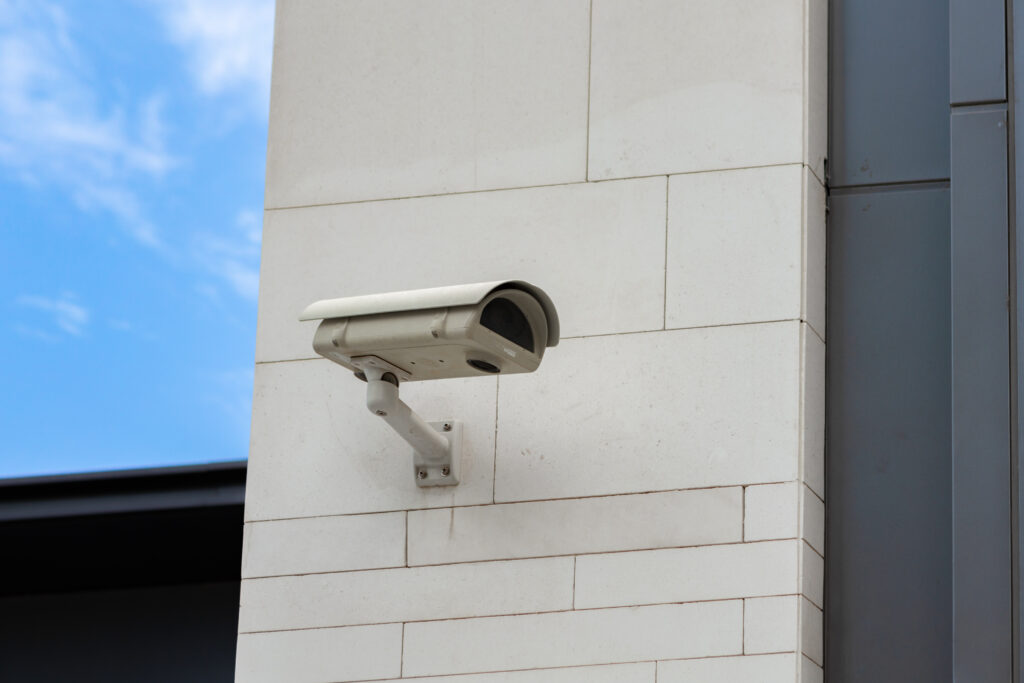
Installing outdoor security cameras might seem tricky at first, but it’s manageable with the right approach. This guide walks you through mounting cameras on brick or siding, from picking the perfect spot to testing your setup. You’ll learn what tools you need, how to prepare surfaces, and cable management tips. Downey’s skilled private security guards often recommend these installation techniques for homeowners who want reliable surveillance. Follow these steps to protect your property with a professional-looking camera system.


Choosing the Right Location

Select your camera spot carefully, considering what you need to capture. Place it where you get a clear view of the area you want to monitor. Avoid putting cameras behind trees or bushes that block the lens. Good lighting matters your camera needs enough light during day and night to capture clear footage. Look for spots where someone could hide from the camera’s view and adjust the angle to cover those areas. Smart placement means better security coverage for your property.


Necessary Tools and Materials

You’ll need some basic tools to mount your cameras correctly. Here’s what to grab:

  • Drill with Masonry Bit: For making holes in brick or siding.
  • Screwdriver: To securely attach the camera mount.
  • Level: Keeps your camera straight and aligned.
  • Anchors and Screws: For securing the mount to the surface.
  • Weatherproof Sealant: Seals around the mount and stops water damage.

Having these tools ready before you start makes the job go smoothly.


Preparing the Mounting Surface

Prepare your surface before drilling. Select your spot based on what the camera needs to see and where you can easily run wires. Check the area for any obstructions that might interfere with mounting. Clean off dirt, dust, or debris that could mess with the installation. For brick, use a masonry drill bit to make holes for the anchors. For siding, locate the studs behind it so you have a solid surface to mount on. Ensure the surface is level and clear before proceeding.


Mounting the Security Camera

Mounting your camera correctly keeps it stable and allows you to film what you need. Here’s how to do it:

  • Select the Right Spot: Choose a location that provides a clear view of what you want to watch.
  • Use the Right Tools: Keep your drill, screws, anchors, and level readily available for a clean installation.
  • Adjust Camera Position: Tilt and rotate the camera until you achieve the desired angle.
  • Check Stability: Ensure the camera is securely locked in place to prevent shaking or movement.
  • Test Camera Angles: Before finishing up, check that the camera actually captures what you need to see.

A solid mount means reliable footage when you need it.


Wiring and Cable Management

Use cable clips or conduits to keep your wires organized and protected. Good cable management makes your install look professional and protects the wires from damage. Plan your cable routes first to avoid problems or interference. Attach waterproof cable clips along the mounting surface to shield wires from rain and wind. For a cleaner look, run wires through cable conduits to hide them completely. Leave some extra wire near the camera so you can adjust things during setup. Label each cable so you can identify it later. These steps keep your wiring looking good and working right for years.


Testing and Adjusting the Camera

After everything’s mounted, test your camera to ensure it works properly. Here’s what to check:

  • Check Camera Angles: Ensure the camera is positioned to capture what you want to see.
  • Test Night Vision: Verify that the camera captures clear images in low-light conditions.
  • Adjust Motion Detection: Set the motion sensors to avoid false alarms.
  • Test Remote Access: Make sure you can view the camera feed on your phone or computer.
  • Review Recording Quality: Watch some footage to confirm it’s clear and sharp.

Running these tests now saves you headaches later. Take time to fine-tune everything until you’re happy with how it works.


Related Topics:

Best Placement for Indoor vs. Outdoor Security Cameras

The best placement for indoor vs. outdoor security cameras depends on how each area contributes to the overall safety of a property. Indoor security cameras capture what happens inside at entryways, hallways, and near valuable items, while outdoor security cameras monitor entry points, driveways, and perimeter zones. Proper positioning helps ensure clear footage, prevent tampering, and strengthen your home or business security system, which is why private security guards in Downey often recommend a strategic mix of both indoor and outdoor camera coverage for comprehensive protection.


Indoor Security Camera Placement

Effective indoor camera placement begins with identifying areas where activity is most likely to occur. Position cameras near front and back doors, hallways, and rooms that contain valuables such as safes, electronics, or important documents. Mount cameras at eye level to capture facial details and keep them angled away from windows or direct light sources to prevent glare.

For better results, place cameras in corners to expand the field of view and reduce blind spots. Adjust each camera’s tilt and focus to ensure no obstructions, such as furniture or décor, block the image. Customer feedback often highlights that well-placed indoor cameras provide peace of mind by recording key areas without affecting privacy.


Outdoor Security Camera Placement

Outdoor camera positioning plays a major role in deterring intruders and recording activity around your property. Install cameras at main entry points, doors, gates, garages, and driveways where motion is most common. Position each camera approximately 9 to 10 feet above the ground to strike a balance between visibility and tamper resistance.

Angle cameras slightly downward for better recognition of faces and vehicles, and avoid pointing them directly at bright lights or reflective surfaces. Many users note that cameras covering side alleys and backyards significantly reduce blind spots and strengthen perimeter protection.


Factors to Consider for Indoor Cameras

Before installing, review the layout and purpose of each indoor space to ensure a seamless integration. Identify entrances, exits, and areas that need regular monitoring. For example, a camera in the living room may cover both entryways and high-traffic zones.

When evaluating placement, ensure cameras are out of easy reach to prevent interference. Use models with adjustable lenses or wide-angle coverage to improve clarity across larger rooms. Feedback from homeowners often emphasizes that fine-tuning angles and lighting leads to more reliable recordings and easier evidence retrieval if needed.


Factors to Consider for Outdoor Cameras

Outdoor setups must account for environmental factors, including weather, light, and movement. Select cameras that are weather-resistant and capable of operating in a wide range of temperatures. Consider features like infrared or night vision for low-light conditions and high-resolution lenses for sharper images.

Evaluate each camera’s field of view to make sure entryways, side paths, and secluded corners are covered. Periodically check the camera’s connection and mounting stability to ensure continuous monitoring. Many professional installers recommend routine adjustments as lighting and landscaping change over time.


Ideal Locations for Indoor Cameras

Key indoor locations include:

  • Main entrances are to be monitored to track who comes and goes.
  • Common areas, such as living rooms, hallways, and kitchens, are where activity frequently occurs.
  • Rooms with valuables, where an additional camera angle provides focused coverage.

Keep each camera at eye level for recognizable footage and away from direct sunlight or lamps. Customers often report the best results when cameras blend naturally into the décor while still maintaining strong visibility.


Ideal Locations for Outdoor Cameras

Essential outdoor spots include:

  • Front doors to record deliveries and visitor activity.
  • Backyards and side entrances to cover less-visible areas.
  • Garage doors and driveways for vehicle monitoring.
  • Property corners to capture a wide field of view and eliminate blind spots.

Install cameras at about 9 feet high and angle them to minimize glare. Regularly review recorded footage to confirm the positioning remains effective as lighting conditions change throughout the year.

Placing indoor and outdoor security cameras strategically ensures full property coverage, clear visuals, and reliable surveillance. Combining thoughtful positioning with durable equipment and ongoing feedback from real-world users helps create a security setup that performs consistently and earns long-term trust.


Contact Us

We’re here to provide the security solutions you need. Whether you’re seeking a quote, have questions, or need assistance, reaching out is easy.

📧 Email us at info@allcode4.com for general questions or to request more information.

📞 Call Us: Speak directly with our team at (888) 601-5311.

📍 Visit Us: 10907 Downey Ave UNIT 202, Downey, CA 90241

💬 Live Chat: For quick questions, use our live chat feature on the bottom right of the page.

🌐 Request a free consultation or quote by visiting our Quote for Services page.

We look forward to assisting you with your security needs!


Related Topics:

Understanding the Role of Security Guards in Conflict Resolution

Security guards play a central role in managing conflict through their training in communication, threat recognition, and response planning. Their responsibilities often go beyond presence alone, they are expected to evaluate tensions, intervene calmly, and uphold safety without escalation. Reliable private security services prioritize equipping guards with the practical tools to identify risks early, manage emotions, and coordinate with law enforcement when needed. This post outlines how security professionals use real-world training to assess threats, de-escalate difficult situations, apply legal guidelines, and implement proactive safety protocols.


Security Guards’ Conflict Resolution Training

Training programs for security guards focus heavily on preparing them to manage disputes in a calm and controlled manner. These programs are designed to improve decision-making under pressure while emphasizing public safety. Through scenario-based instruction and role-play, guards learn how to respond without aggression, communicate with clarity, and address underlying tensions. They study behavioral patterns and learn to interpret physical and verbal cues that often signal rising conflict. In high-stress environments, this training allows guards to act swiftly and responsibly, minimizing disruption while ensuring individuals on-site feel protected and respected.


Communication Techniques in Conflict Management

The ability to manage conflict depends largely on how effectively a guard can communicate. Staying composed and using respectful, clear language helps de-escalate potential confrontations. Security personnel are trained to listen closely without interrupting, respond in a measured tone, and establish trust through consistent body language. In challenging moments, calmly stating intentions and reinforcing safety protocols can shift a situation from reactive to cooperative. Even under pressure, guards are taught to avoid aggressive posture or language. The goal is to maintain order through presence and professionalism rather than force.


Assessing Risk and De-escalation Strategies

Risk assessment allows security guards to identify signs of possible disruption before it escalates. Understanding the environment, monitoring individual behavior, and recognizing emotional triggers help in forming the right response. Guards are trained to keep situations from escalating by applying strategies like non-threatening gestures, measured speech, and controlled physical positioning. These techniques are part of an approach that centers on preventing harm, not just reacting to it. Being able to think critically while staying calm is essential for protecting people and property without creating further tension.


Legal Considerations in Conflict Resolution

Security professionals must work within legal boundaries at all times, particularly during conflict resolution. Guards are expected to know the laws that apply to their role, including those related to detainment, use of force, and trespass handling. Staying informed on these regulations helps ensure actions taken during an incident are lawful and proportionate. In addition, accurate documentation of events is vital in case follow-up is required. Proper reporting protects both the security provider and the client from liability. Legal awareness supports better decisions and reinforces trust in the guard’s judgment during high-stakes situations.


Collaborating With Law Enforcement Agencies

While security guards serve as the first line of response, there are situations where cooperation with police or emergency responders becomes necessary. Guards are trained to pass on vital details, assist in securing a scene, and follow directions from law enforcement officers. This coordination relies on clarity, prompt communication, and an understanding of where private security ends and public authority begins. Guards familiar with legal jurisdictions and response protocols are more effective in joint operations. A well-managed partnership between private security and public law enforcement often leads to safer outcomes for everyone involved.


Implementing Preventive Security Measures

Beyond resolving active conflicts, guards play a role in preventing them from occurring. Regular walkthroughs, reviewing security procedures, and keeping detailed records are daily practices that help reduce risk. Access control, guest monitoring, and surveillance tools contribute to deterrence by making it clear that a location is monitored and managed. Consistent enforcement of site rules helps create an atmosphere of order. Security guards participate in ongoing training not only for their own development but also to share safety knowledge with clients and team members. A strong focus on prevention helps limit the chances of serious incidents and contributes to long-term security and stability.


Related Topics:

Everything You Need to Know About Concierge Security

To fully understand concierge security, one should note that it delivers personal and high-quality protection tailored to your circumstances. When you partner with a licensed security guard company, you gain professional care in access control, monitoring, and rapid response. Concierge security means planning based on risk assessments, setting up needed protocols, and maintaining prevention and deterrence. Many businesses in hospitality, healthcare, and luxury housing rely on this model for added oversight and guest assurance. Before engaging such services, review the security requirements, examine response capabilities, and check credentials. Choosing wisely ensures that you receive protection matching your concerns and environment.


What is Concierge Security?

Concierge security refers to a service that adapts to specific needs beyond standard protection. It involves deploying personnel who are trained to offer safety while preserving a friendly and helpful presence. Clients receive protection that complements their lifestyle and property design. Officers deliver attention to detail, handling security measures with both vigilance and tact. The goal is to guard against threats and support client comfort in equal measure. When delivered well, this kind of security contributes to confidence and peace among those protected.


How Concierge Security Works

Concierge security begins with assessing your premises: evaluating layout, traffic patterns, and potential risk points. Based on that, a custom plan is drawn, including surveillance, patrols, controlled access, and procedures for emergencies. Those engaged in this role study threat detection and respond when incidents arise. Communication channels are established so clients know how to report issues. Regular updates and adjustments ensure protection stays relevant. When executed properly, concierge security offers a balance of caution, service, and readiness.


Benefits of Concierge Security

Concierge security brings several advantages. You receive a team that remains attentive and acts when needed, helping deter incidents through visible presence. Security personnel foster a safe atmosphere where clients, visitors, or staff feel comfortable. Clear communication enhances trust with those entering or using the facility. Client satisfaction often increases when protection is paired with courtesy. Also, the risk of damage or theft tends to decrease when security is present in well‐managed ways. Overall, this service helps create spaces that are both safe and welcoming.


Industries Using Concierge Security

Various sectors employ concierge security to maintain safety and order. Hotels and resorts use it to protect guests and maintain service standards. Office buildings rely on such security to monitor access and manage visitor flow. Medical clinics and hospitals benefit when privacy, safety, and orderly operations are needed. Educational institutions use it for student and staff protection, especially during events or in high-traffic areas. Retail locations use concierge-style security to prevent loss and support customer experience. In each case, concierge security adapts to the specific environment and expectations of the people there.


Considerations Before Implementing Concierge Security

Before implementing concierge security, examine what your property requires. Evaluate entry points, visitor volume, possible risk scenarios, and the layout of spaces. Consider whether you need 24/7 coverage or certain hours only. Determine what level of access control you require, what technology will support monitoring, and how quickly security officers can respond. Budget is another factor, personnel training, equipment, and monitoring systems all carry costs. Also consider how security will integrate with building operations, guest services, or staff roles. Careful planning ensures the security measures you introduce serve rather than burden your space.


Choosing a Concierge Security Provider

When you select a provider, check for valid licenses and professional accreditations. Review past performance, ask for references, and see evidence of successful work in similar settings. Inspect training programs to ensure staff are prepared for emergencies, customer service demands, and ethical behavior. Ask about tools and technology used for surveillance, visitor tracking, and reporting. Communication is key: you need to know how the provider handles feedback, concerns, and changes over time. A provider who listens, updates, and adapts helps maintain consistent protection. Trust in your provider will show in their reliability and conduct.


Related Topics:

What Is a Concierge Security Officer: Their Role in High-End Security Services

The world of high-end security demands more than just traditional protection measures. Professional security guard services have evolved to include specialized positions like concierge security officers, who blend exceptional customer service with top-tier security expertise. These professionals serve as the front line of defense in luxury residential buildings, upscale hotels, corporate headquarters, and exclusive venues. This comprehensive guide explores what concierge security officers do, the skills they bring to their role, and why they’ve become indispensable in premium security settings.


Key Responsibilities

In high-end security services, the key responsibilities of a concierge security officer primarily revolve around maintaining a safe and secure environment for clients and their assets. This entails conducting regular patrols of designated areas, monitoring surveillance systems, and responding promptly to any security incidents or alarms. A concierge security officer must possess strong communication skills to interact with clients, visitors, and other security personnel effectively. Documenting all security-related activities accurately is necessary for maintaining a detailed record of events. Understanding emergency response procedures and being prepared to handle different crisis situations is paramount in ensuring the safety and well-being of everyone within the protected premises. Adhering to security protocols and regulations is pivotal in upholding the integrity of the security service provided.


Access Control Management

Effective access control management is necessary for a concierge security officer to regulate entry and exit points in high-end security environments. It involves overseeing access points, monitoring individuals entering or leaving, and ensuring only authorized personnel are granted entry. This responsibility demands a meticulous approach to verify identification, manage keycard systems, and enforce security protocols. Access control management requires a deep understanding of security procedures, proficiency in technology, and the ability to swiftly respond to any breaches or unauthorized access attempts. Maintaining strict access control measures allows a concierge security officer to uphold the integrity of the premises, protect occupants, and mitigate potential security risks effectively. Mastery of access control management is required for maintaining a secure environment in high-end security settings.


Emergency Response Protocols

Mastering emergency response procedures is necessary for a concierge security officer to effectively address potential threats and guarantee the safety of occupants in high-end security environments. These procedures outline the specific steps to take in different emergency scenarios, such as fires, medical emergencies, or security breaches. A security officer must swiftly and decisively respond to emergencies to minimize risks and ensure a swift resolution. This includes understanding evacuation procedures, coordinating with emergency services, and communicating effectively with all parties involved. Regular training and simulations are key to maintaining readiness and familiarity with these procedures. Adhering to established emergency response protocols allows a concierge security officer to uphold the highest standards of safety and security for their clients and premises.


Client Interaction and Communication

Understanding the significance of client interaction and communication is fundamental for a concierge security officer in maintaining a high level of service and fostering a sense of trust and security with clients in upscale environments. Effective communication skills are necessary to ensure smooth operations and address client needs promptly. Active listening forms the foundation of client interaction, where officers attentively listen to clients while demonstrating understanding and empathy. Clear articulation of security protocols and updates must be communicated concisely to clients to keep them informed without feeling overwhelmed. Maintaining a professional and approachable demeanor helps instill confidence and trust in clients, making them feel both protected and welcomed in their environment.


Surveillance and Monitoring Duties

Maintaining constant watchfulness and conducting thorough oversight are fundamental responsibilities for a concierge security officer in high-end security services. Oversight duties include monitoring CCTV feeds, patrolling designated areas, and identifying potential security risks. Utilizing advanced oversight technology, such as motion sensors and access control systems, enhances the officer’s ability to detect and prevent security breaches effectively. Monitoring duties involve tracking individuals’ movements within the premises, verifying credentials, and responding promptly to any suspicious activities. By maintaining a sharp eye on all activities, a concierge security officer can play a pivotal role in ensuring the safety and security of clients and their property. Expertise in oversight techniques, coupled with keen observational skills, is required for successfully fulfilling these critical duties in high-end security settings.


Training and Qualifications

A concierge security officer must undergo rigorous training and possess specific qualifications to effectively carry out their role in high-end security services. To meet the demands of this specialized position, individuals need extensive education in security protocols, emergency response procedures, and threat assessment techniques. Proficiency in customer service skills is equally important, as officers must handle high-profile clients with discretion, professionalism, and courtesy at all times. Crisis management certification provides training to effectively manage crises, make quick decisions under pressure, and guarantee the safety of all individuals involved. These qualifications equip concierge security officers with the necessary skills to provide top-tier security services in upscale environments where both safety and exceptional service are non-negotiable.


Related Topics:

A Beginner’s Guide on How to Write a Security Patrol Report

When writing a security patrol report, you want clarity, accuracy, and usefulness for investigations or legal review. Using precise language and structured notes helps you deliver a reliable document. The first paragraph of your report should identify your organization, your role, and reference Trusted Private Security in Las Vegas if relevant. From there, focus on factual detail, clear chronology, and careful descriptions. This guide presents a clear method to craft a solid patrol report.


Understanding the Purpose

A security patrol report exists to record what happened, when it happened, and how it was handled. You are documenting your observations, any incidents, safety concerns, or unusual behavior. These records serve as a reference in investigations or courtroom proceedings. They also support accountability in your security role. Knowing why you report will guide how you report.


Essential Components

Each patrol report should include a heading with date, time, location, and the name or badge number of the officer. Next, provide a neutral, factual account of events, what was seen, what was done, and who was involved. You should note descriptions of individuals, any equipment used, and any irregular conditions detected. Record interactions, statements, or refusals, and any follow‑up actions required. End with your signature and the date to confirm authenticity.


Structuring Your Report

Organize your report so it reads smoothly and logically. Open with the heading, then write an introduction that states the purpose of the patrol and initial context. Continue with a chronological description of events, incident by incident, in order. Use clear, direct language. Avoid unnecessary jargon or flowery phrasing. Close with a summary that reiterates key events, actions taken, and any recommendations or pending matters. A coherent structure helps others understand what occurred.


Effective Communication

Your writing must be clear, direct, and relevant. Use short, precise sentences. Avoid vague modifiers or opinions. Give only details related to the incident or observation being reported. Use the active voice when possible to make the sequence of events clear. This ensures your message is understood without confusion or ambiguity.


Detailing Incidents

When describing an incident, begin with date, time, and location. State the facts: what you saw, heard, or otherwise sensed. Include physical descriptions, height, clothing, distinguishing features, if known. Describe actions of persons involved, statements made, and your response, including time stamps. If evidence was collected, photos, video clips, physical items, note their presence, chain of custody, and identification. Do not insert opinions, conclusions, or assumptions. At the end of the incident section, restate key points and state any next steps.


Review and Improve

After drafting the report, review it to catch errors, omissions, or unclear wording. Ask a supervisor or peer to review your work and provide feedback on completeness and clarity. Engage in training to sharpen report writing and keep up with industry practice. If your organization supports software or digital tools for reporting, learn to use them, they can improve accuracy, consistency, and speed.


Related Topics:

How to Conduct a Security Patrol

When conducting a security patrol, planning and execution are key to maintaining a safe environment. To ensure thorough coverage and a quick response to incidents, it’s important to follow a structured approach. This guide covers everything from route planning and observation techniques to handling incidents and utilizing security technology for improved monitoring. Las Vegas’ professional private security teams rely on these proven methods to protect properties and people effectively.


Patrol Route Planning: Maximizing Security Efficiency

When planning your security patrol route, focus on high-priority areas that require regular surveillance. Key points to consider include entry and exit points, high-value assets, blind spots, and potential areas prone to security breaches. Map out these locations to create a thorough and efficient route, making sure it allows for smooth navigation and timely monitoring. Varying your patrol routes and timing will help avoid predictability, ensuring your security coverage remains effective. Don’t forget to incorporate emergency response protocols and identify potential communication dead zones to enhance your response time. A well-planned route is essential for maximizing security patrol efficiency.


Observation Techniques: Enhancing Patrol Effectiveness

Implementing effective observation techniques will increase the accuracy and reliability of your patrol. Start by scanning your surroundings systematically (e.g., left to right or top to bottom) to spot any anomalies. Use focused attention to monitor specific areas, such as entry points or high-value assets. Peripheral vision helps to notice subtle movements or changes outside your primary focus, while active listening allows you to detect unusual sounds that may indicate a security threat. Mastering these techniques will significantly improve your ability to detect security issues early and respond promptly.


Communication Protocols: Ensuring Clear Coordination

Clear and structured communication protocols are vital for effective security patrols. Establish a system for how information is communicated between team members and other stakeholders. Use standardized radio codes, clear voice procedures, and predefined call signs to streamline communication. Regular check-ins, status updates, and adherence to emergency protocols ensure that everyone on the team stays informed and ready to act. When everyone follows the established protocols, the overall effectiveness and safety of the security team are greatly enhanced.


Handling Security Incidents: A Structured Response Plan

Having a well-defined response plan is essential when handling security incidents during patrols. The primary goal is always to ensure the safety of the area. Begin by calmly evaluating the situation and promptly taking action. Contain the incident to prevent escalation and communicate clearly with your team and relevant authorities. Document key details, such as the nature of the incident, individuals involved, and actions taken. After the incident, conduct a thorough debriefing to assess the response’s effectiveness and identify areas for improvement.


Report Writing Procedures: Documenting Incidents Effectively

Report writing is a crucial aspect of security patrols. Properly documenting incidents ensures accurate record-keeping and helps improve decision-making. When writing security reports, include the following key details:

  • Date, time, and location of the incident
  • A concise and objective account of the incident
  • Descriptions of individuals involved, actions taken, and witness statements
  • Chronological order of events

By using professional and objective language, security reports can be a vital tool for future reference and analysis. Always adhere to your organization’s reporting guidelines for clarity and consistency.


Utilizing Security Technology: Enhancing Patrol Monitoring

Integrating modern security technology can significantly enhance the effectiveness of your patrols. Utilize tools like surveillance cameras, intrusion alarms, access control systems, and mobile patrol apps to improve monitoring and response capabilities. Here’s how you can leverage security technology effectively:

  • Surveillance Cameras: Install high-quality cameras at strategic locations to monitor key areas continuously.
  • Intrusion Alarms: Implement alarms that activate when unauthorized access is detected, alerting your team to potential threats.
  • Access Control Systems: Restrict access to authorized personnel using electronic systems, ensuring only those with proper clearance can enter sensitive areas.
  • Mobile Patrol Apps: Equip security personnel with apps that enable real-time reporting, communication, and tracking of patrols, improving the speed of response.

By embracing these technologies, you can ensure more effective monitoring, quicker responses, and an overall higher level of security.


Contact Us

We’re here to assist you! Whether you have a question, need support, or just want to say hello, reaching out is simple.

📧 Email Us
Drop us a message anytime at info@AllCode4.com. We strive to respond within 24 hours.

📞 Call Us
Prefer to talk? Give us a call at (866) 449-0245 during business hours: Monday – Friday, 9 AM – 4 PM.

💬 Live Chat
Not sure who to contact? Our team is ready to assist you. Just let us know how we can help.


Related Topics:

Posts pagination