On-site guards who help control access, support staff, and keep your site under watch.
What is Physical Security?
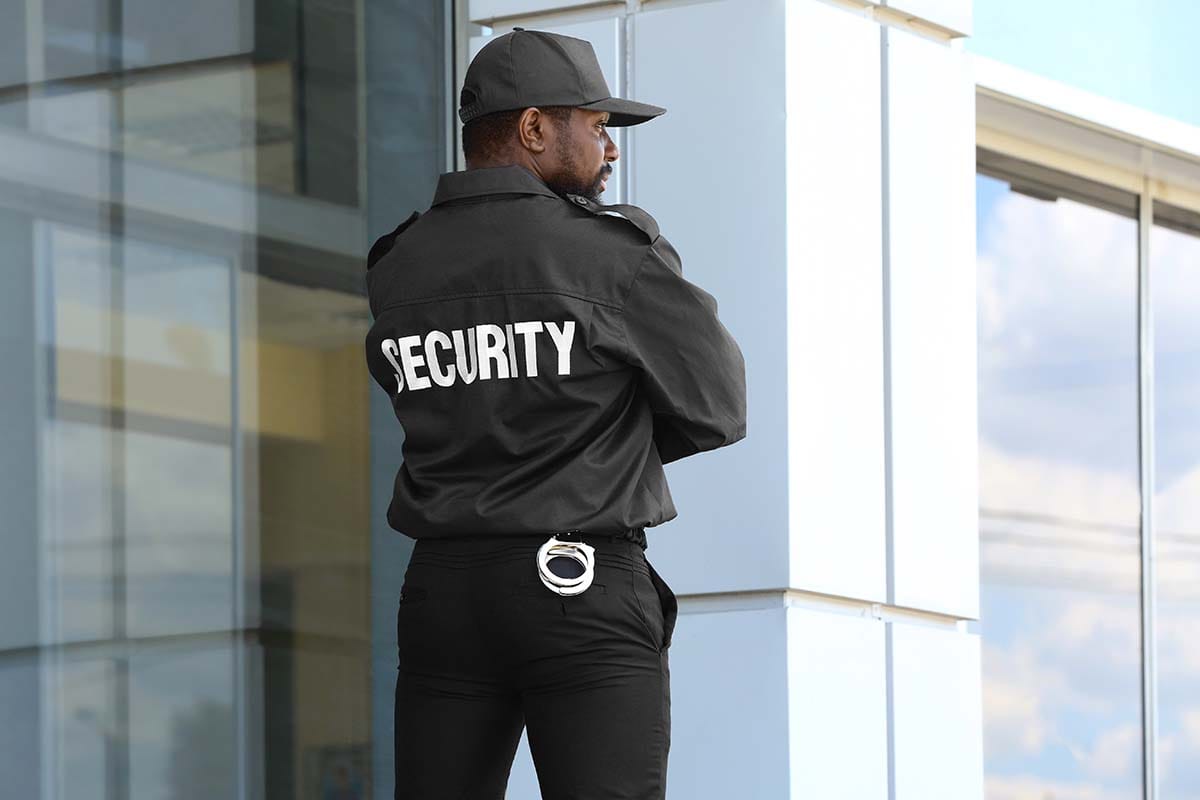
Physical security is the use of trained, uniformed guards posted on-site to help protect people, property, and day-to-day operations. It usually includes access control, routine rounds on foot, and support when something feels off. Coverage can be short-term for a project or event, or ongoing for locations that need steady staffing.
A good guard plan matches how your site runs. That means setting clear post orders, covering the right entrances, and focusing on the areas where problems tend to happen, like loading zones, parking areas, and after-hours access points.
100%
Background Checked
200+
Hours Training
Certified Excellence
All guards are state-licensed, CPR/First Aid certified, and undergo continuous professional development to maintain the highest industry standards.
Where Physical Security fits best
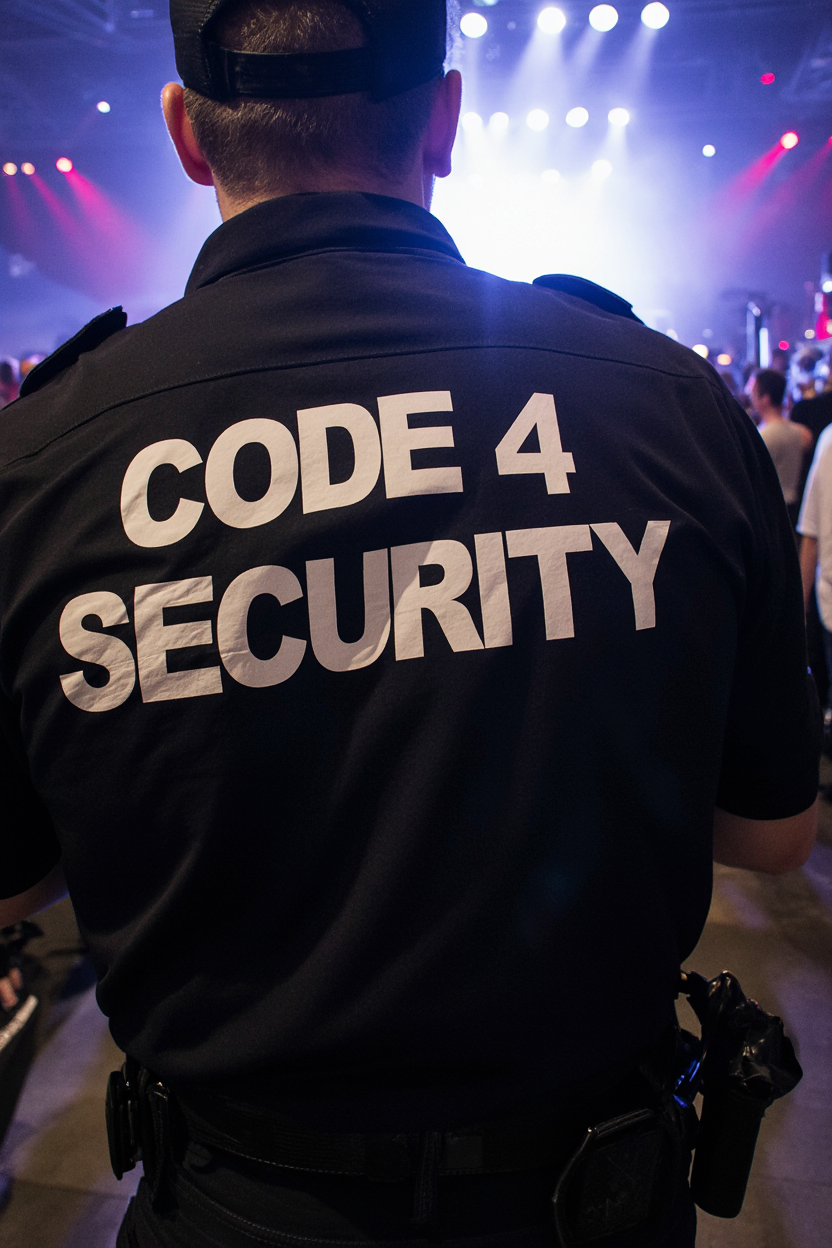
Physical security works well when you need a consistent presence that can react in real time. This includes sites with open access points, high foot traffic, valuable materials, or after-hours activity that’s hard to control with cameras alone. Guards can act as a visible deterrent while also helping staff feel supported during busy shifts.
You can schedule guards at entrances, reception desks, gates, or key interior points. Common duties include checking credentials, logging visitors, monitoring deliveries, and keeping an eye on restricted areas. Guards can also help with escort requests, vendor check-ins, and basic rule enforcement that keeps your site organized.
Managers often choose posted guards when they want fewer surprises. Clear shift notes and incident reports help you track what happened, when it happened, and what was done about it. This makes it easier to spot patterns, tighten procedures, and share updates with internal teams without chasing details.
If you’re comparing options, physical security is best when you need steady coverage at set times, not just occasional checks. If your needs change, like new work crews, schedule changes, or a rise in after-hours issues, staffing and post orders can be adjusted so coverage still matches the reality on-site.
Our approach to Physical Security
We focus on consistent staffing, clear post orders, and communication that keeps managers informed without extra back-and-forth.
Post orders and routine rounds
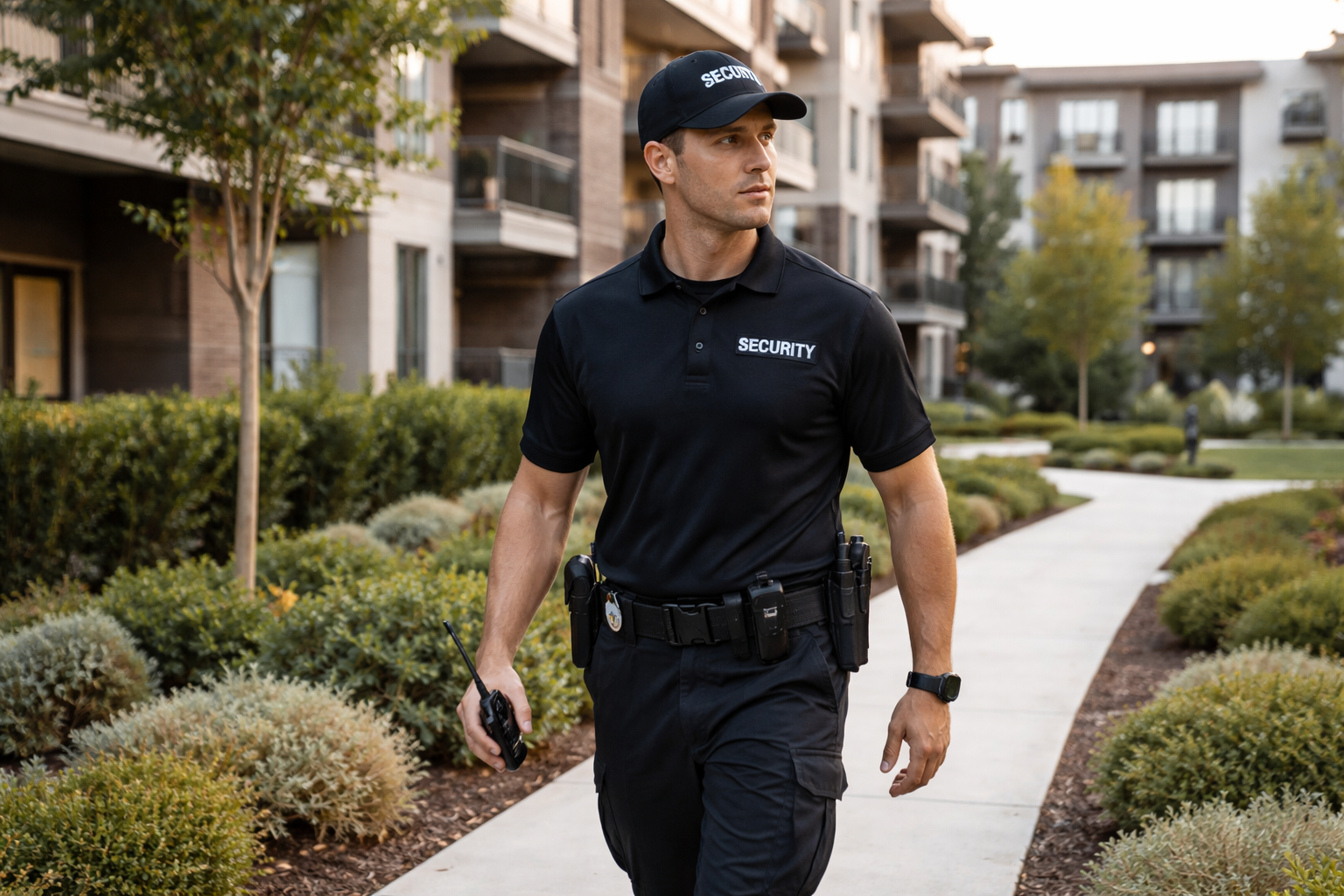
Each site gets clear post orders that match your rules, hours, and access points. Guards follow a set routine for checking key areas on foot, watching entrances, and reporting anything that needs attention.
Incident reporting
When an incident happens, guards record the time, location, what was observed, and what actions were taken. Reports are written in plain language so managers can review them quickly and share them internally.
Alarm response support
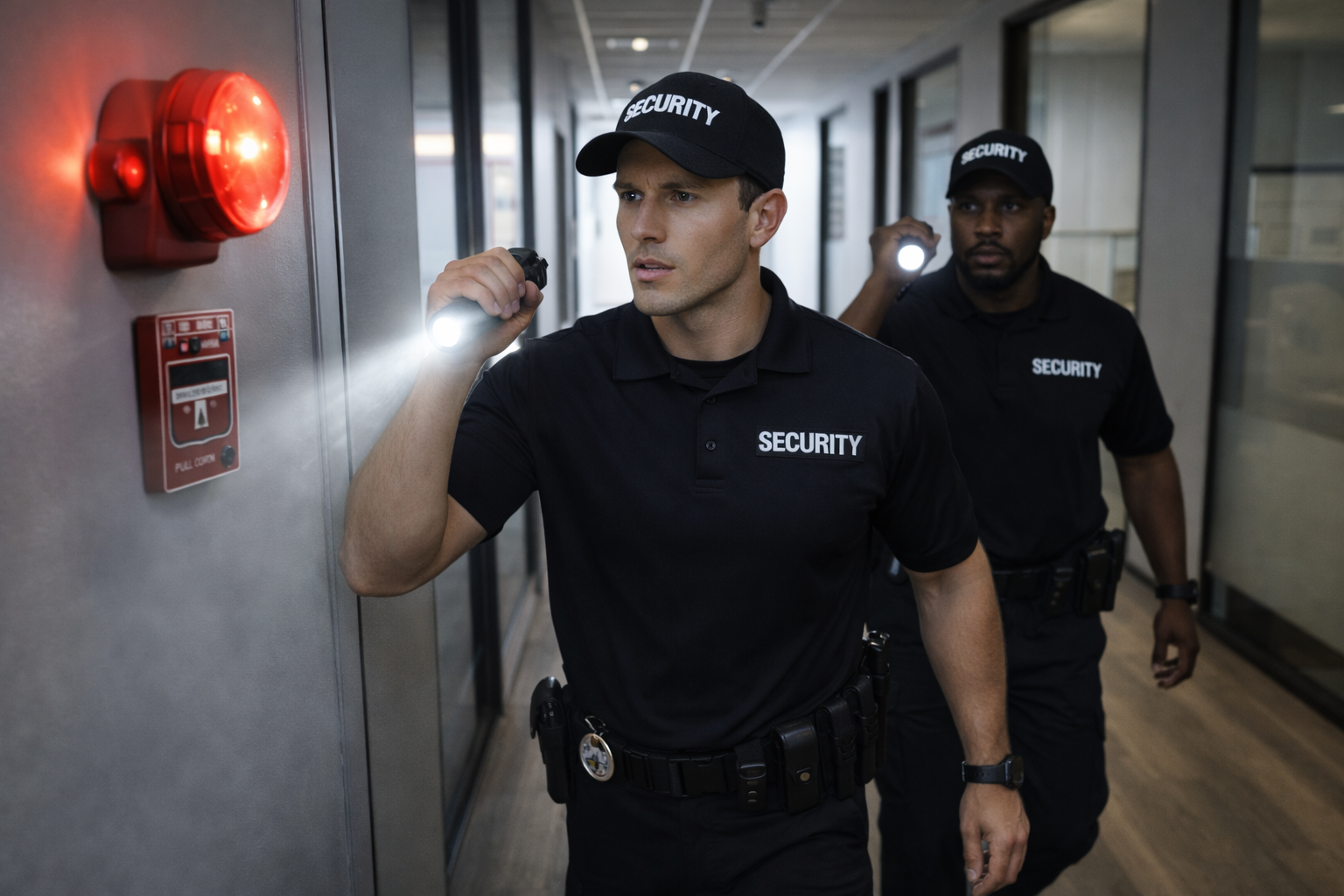
If an alarm triggers, on-site guards respond based on your site instructions and confirm what’s happening on the ground. You get a clear update on what was found and what steps were taken next.
Coordination with local authorities
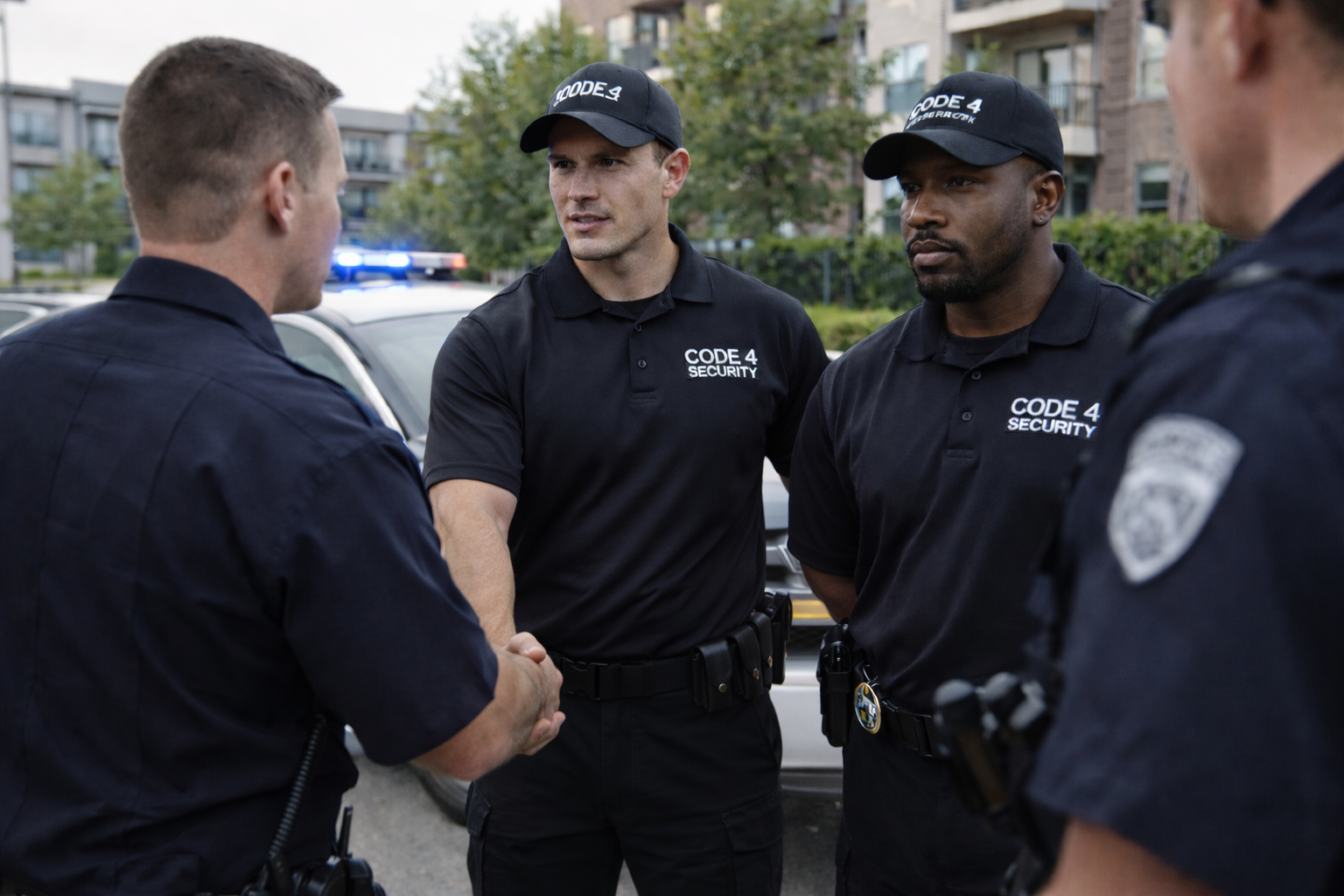
If police or fire response is needed, guards help keep the scene controlled and provide basic facts when responders arrive. They also support safe access to the site while your point of contact is notified based on your instructions.
Learn more about our services
Download our comprehensive leaflets to see how our security solutions fit your needs.
Code 4 Private Security Company General Leaflet
Trusted security. Proven protection.
Our security experts are ready to assess your needs and provide a reliable solution.
Quick answers to common questions about industries, staffing, and pricing.
How fast can you start coverage?
Start times depend on your location, hours, and staffing needs. Share your schedule and start date and we’ll reply with availability.
What do posted guards handle during a shift?
Common duties include access checks, visitor logs, routine rounds on foot, delivery support, and incident response. Duties are set in post orders so expectations stay clear.
How is pricing set for physical security?
Pricing is based on hours, number of posts, site risk level, and any special requirements like entry screening or after-hours coverage.
Can coverage change after we start?
Yes. If your hours change or site activity increases, staffing and post orders can be updated so coverage still fits your needs.