Security guards come in several different types, each with their own training and responsibilities. From unarmed guards handling basic safety to executive protection officers safeguarding high-profile clients, the security industry covers a wide range of roles. Top private security companies staff these positions based on the specific threats and needs of each location or individual. This post breaks down each level so you know what kind of protection fits your situation. Understanding these differences helps you make smarter decisions about your security needs.
Unarmed Security Guards
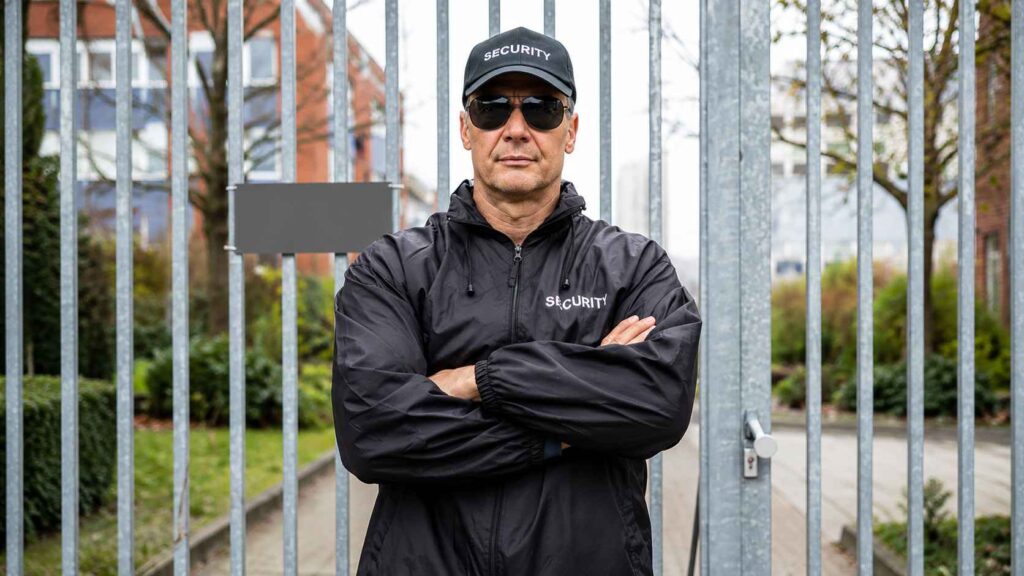
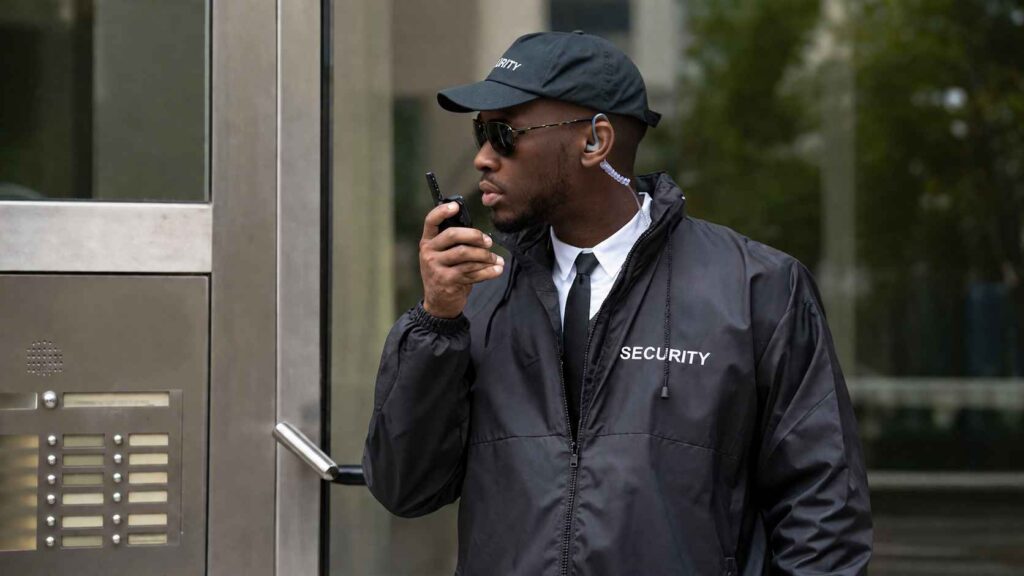
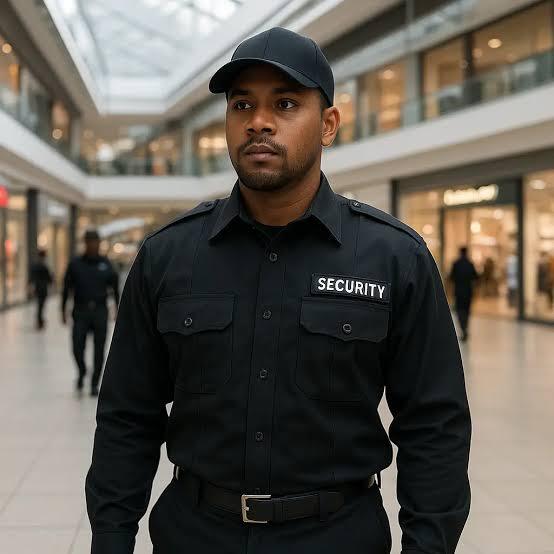
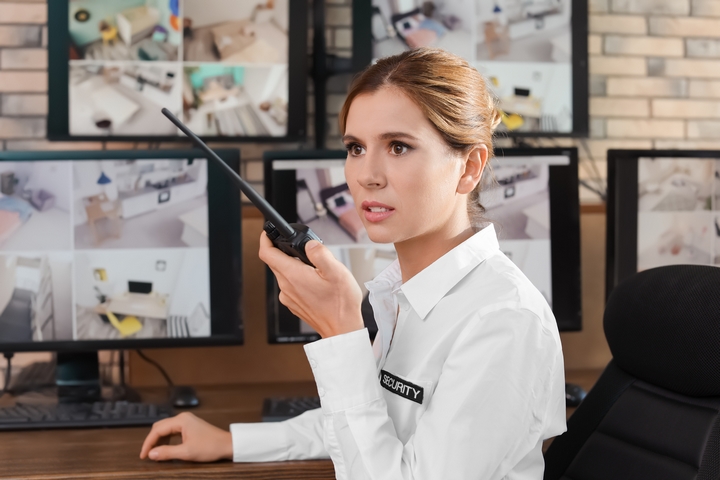
Unarmed security guards play a big role in keeping establishments and events safe. Even without firearms, their work prevents unauthorized access and theft, keeping the premises secure. These guards typically monitor surveillance cameras, patrol designated areas, and respond quickly to any security issues or disturbances. Their presence alone can discourage criminal activity and give employees and visitors peace of mind. Unarmed guards often serve as the first point of contact during emergencies, so they need solid communication skills and the ability to stay calm under pressure.
Armed Security Guards
Armed security guards are trained professionals who carry firearms to protect locations and individuals. These guards undergo specialized training in weapons handling, crisis management, and de-escalation techniques to address potential threats. Their duties include enforcing security measures, conducting patrols, monitoring surveillance equipment, and responding to emergencies. Armed guards deter criminal activity and keep personnel and assets safe within their assigned areas. Their presence provides a higher level of security compared to unarmed guards. These professionals need sharp judgment, strong communication skills, and the ability to act fast in high-pressure situations.
Security Supervisors
Security supervisors manage security operations within a designated area or facility. They make sure security protocols are followed and coordinate the work of security personnel on the ground. These professionals supervise guards, conduct regular patrols, and respond to security incidents as they happen. Supervisors handle training, monitor security equipment, and ensure everyone follows proper procedures and regulations. Strong leadership and communication skills matter in this role, along with a deep understanding of security principles. Supervisors often work with other departments to address security concerns. Their proactive management keeps environments safe and secure.
Executive Protection Officers
Executive Protection Officers provide high-level security and personal protection to clients. These officers specialize in safeguarding executives, celebrities, politicians, and other high-profile individuals. They have advanced skills in threat assessment, risk mitigation, defensive driving, and emergency response. Their job involves creating and implementing security plans tailored to the specific risks their clients face. Executive Protection Officers stay vigilant and ready to respond quickly to any potential security threats. Through their training and proactive approach, they keep clients safe in a wide range of environments, both at home and abroad.
K9 Security Teams
K9 security teams use highly trained dogs to strengthen security measures in ways that human guards alone cannot. These teams detect explosives, drugs, and other illegal substances, making them valuable in high-risk environments. The dogs’ sharp senses, especially their sense of smell, allow them to catch threats that human personnel might miss. K9 units also act as a deterrent to potential threats just by being present. The bond between the dog and handler fosters strong communication and teamwork, leading to more effective security overall.
Event Security Specialists
Event security specialists focus on keeping gatherings of all sizes safe and running smoothly. These professionals have training in crowd management, threat assessment, emergency response, and communication. Their responsibilities include securing event perimeters, screening attendees, monitoring activities, and responding to security breaches promptly. Event security specialists work closely with event organizers, local authorities, and other security staff to develop security plans tailored to each event’s specific needs. By using smart security measures and staying proactive, these specialists reduce risks and create a safe environment for attendees, performers, and staff.
Related Topics: