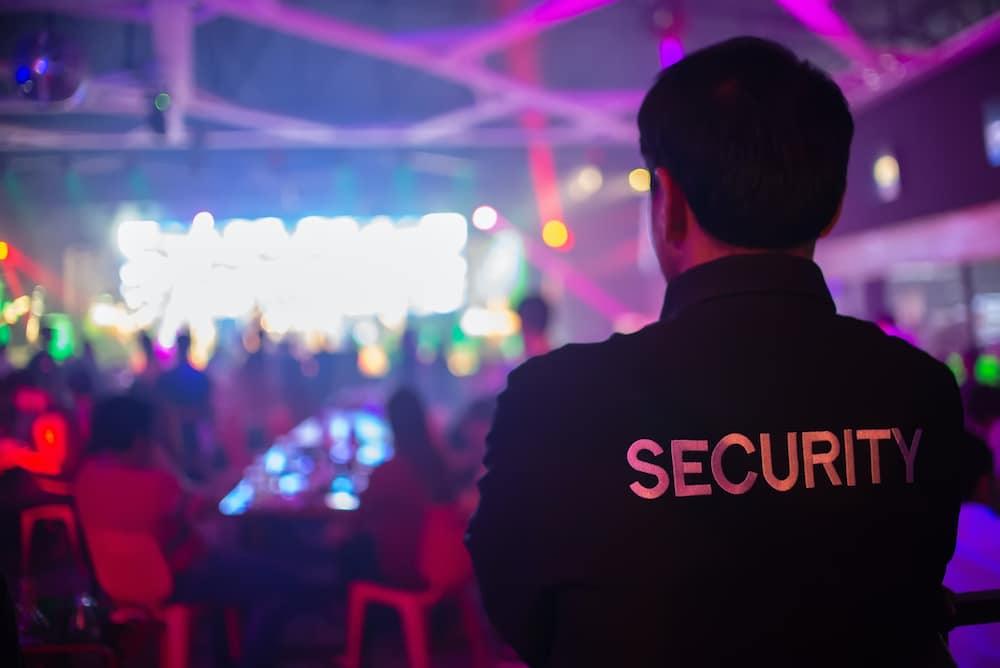
Planning an event means putting safety at the top of your list of priorities. The right security setup protects your guests, staff, and the overall success of your event. Having a dependable security guard team in place can make the difference between a smooth event and a disaster. This post covers how to assess your security needs, pick the right company, and build a solid plan. We’ll also go over training, communication, and how to measure whether your security actually worked.
Importance of Event Security
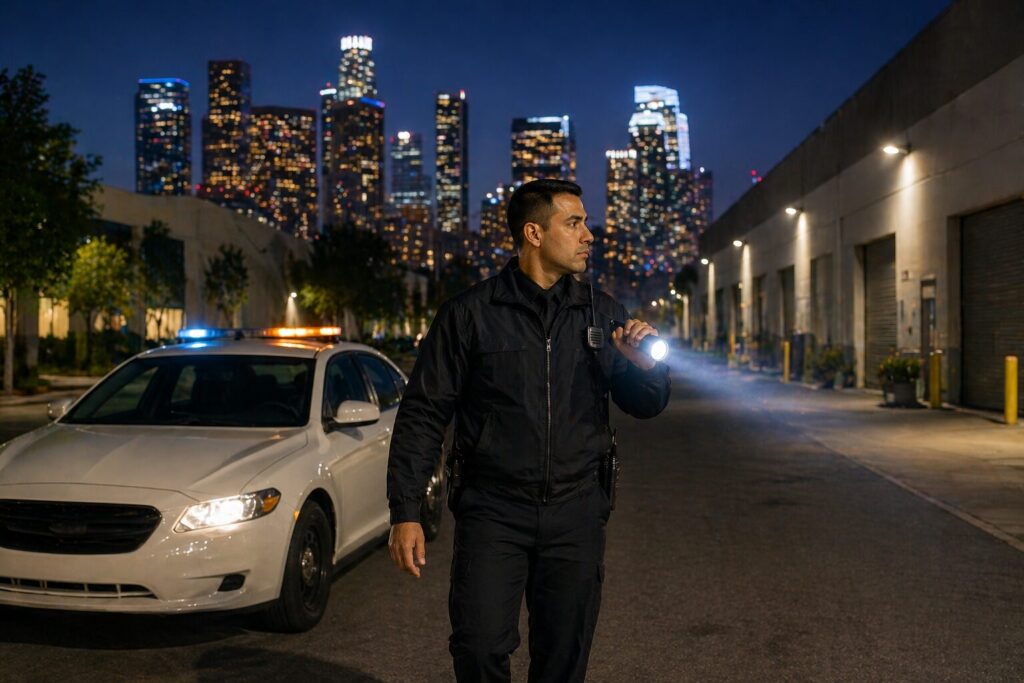
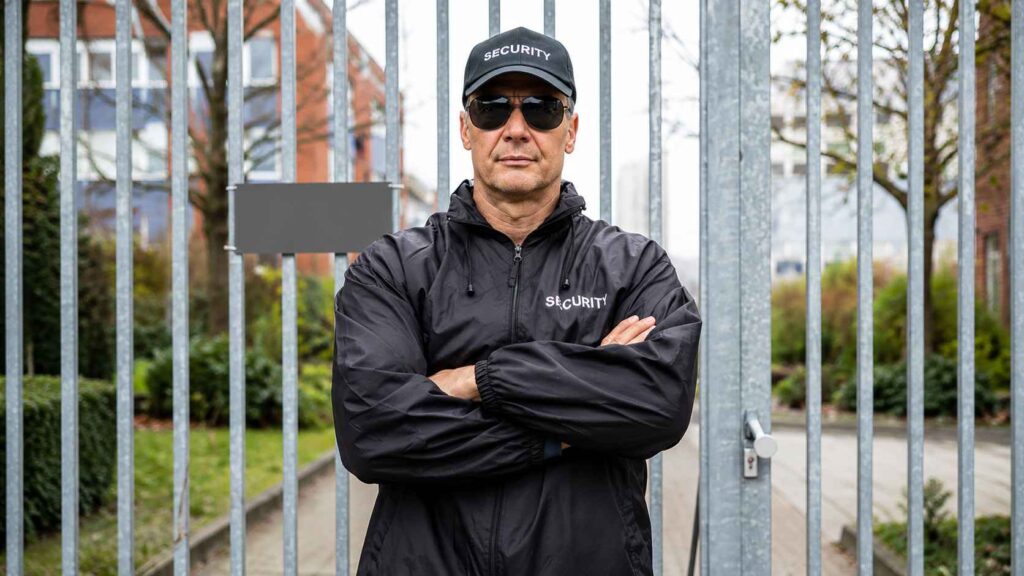
Good event security keeps attendees, staff, and the event itself protected from start to finish. This includes access control, crowd management, emergency response, and protecting assets on site. A solid security plan reduces risks, prevents incidents, and maintains a safe environment for everyone involved. Strong security doesn’t just stop threats; it also gives your guests peace of mind, enhancing the overall experience. Trained security personnel play a major role in maintaining control. With thoughtful planning and coordination, you can tackle security concerns before they become problems and keep your event running smoothly.
Assessing Your Security Needs
Taking a close look at your security requirements sets the foundation for a safe and successful event. Start by assessing the size and type of event you’re hosting, including how many people will attend, the venue layout, and potential risks. Figure out which areas need security coverage, entry points, VIP sections, parking lots, and similar spots. Consider potential threats such as unauthorized access, theft, or crowd disturbances. Consider the vibe you want to create and how security can support that atmosphere without being overbearing. By carefully examining what your event actually needs, you can build a plan that covers weak spots and keeps everyone safe.
Choosing the Right Security Company
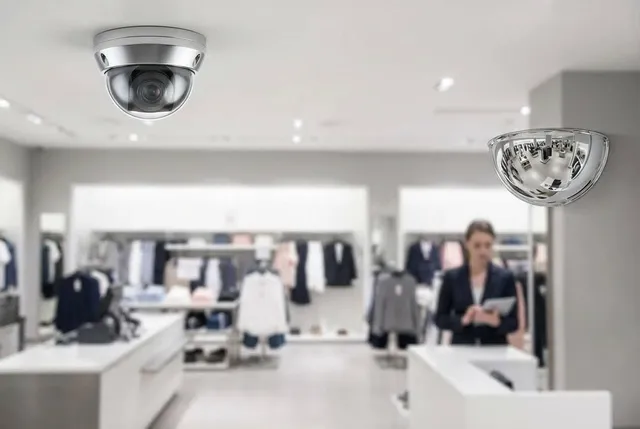
Picking the right security company takes research and careful thought. When selecting a company for your event, look at their experience, reputation, and how well they’ve handled similar events in the past. Find companies with a strong track record in event security and teams trained specifically for managing large crowds. Pay attention to how they communicate, their emergency response procedures, and what technology they use for surveillance and monitoring. Make sure the company is licensed, insured, and in compliance with industry regulations. Ask for references and reviews to confirm they can deliver on their promises. By checking these factors, you can choose a security company that fits your event’s specific needs and keeps everyone safe.
Key Factors in Security Planning
Building a detailed security plan involves considering several factors that affect the safety of everyone at your event.
- Risk Assessment: Conduct a thorough analysis to identify potential security threats and weaknesses.
- Venue Layout: Review the event space to determine where to place personnel and which security measures make sense.
- Crowd Management: Create a plan to manage crowd flow and address any crowd-related issues that arise.
- Emergency Response Plan: Set up protocols for handling emergencies, including medical situations, evacuations, and communication strategies.
Training and Communication Protocols
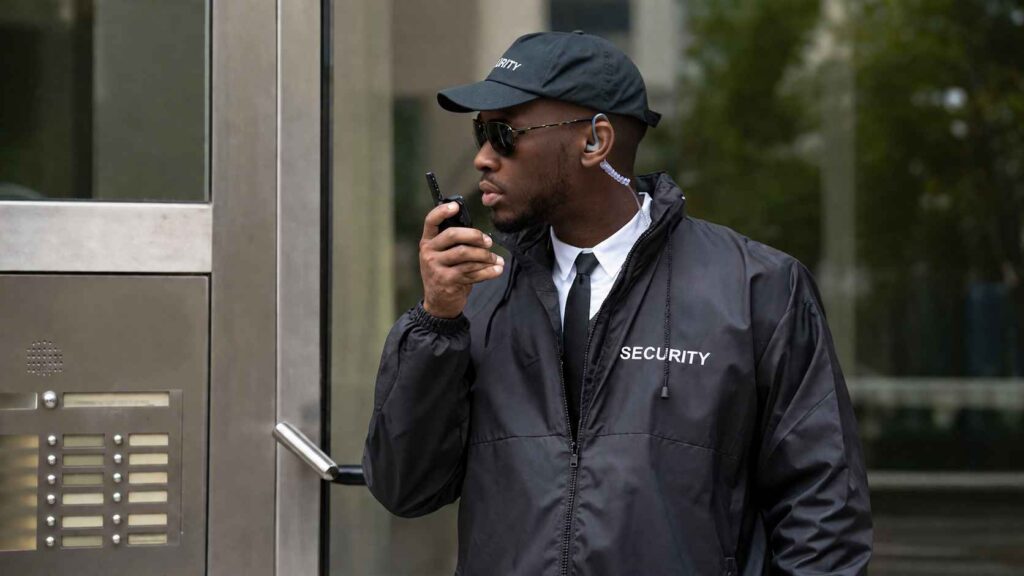
Proper training and clear communication are the backbone of solid event security. Well-trained security personnel know how to handle a range of scenarios, from crowd control to emergency response. Training should cover security procedures, conflict resolution, and first aid basics for handling medical emergencies. Communication protocols need to be set up so information moves quickly and clearly among security staff. This means using radio systems, setting up designated communication channels, and creating clear codes for different situations. Running regular drills and scenario-based training helps lock in these protocols and ensures staff can respond quickly when pressure hits. Prioritizing training and communication strengthens your event’s security readiness across the board.
Evaluating Security Success
After your event wraps up, you need to evaluate how well your security measures actually performed. When reviewing security success, look at these factors:
- Incident Response Time: Measure how quickly security personnel responded to and resolved issues.
- Communication Efficiency: Review how well communication channels worked among security staff during tense moments.
- Adherence to Protocols: Confirm that security personnel followed established procedures consistently throughout the event.
- Risk Mitigation: Assess how well security measures prevented and minimized potential risks.
Related Topics: