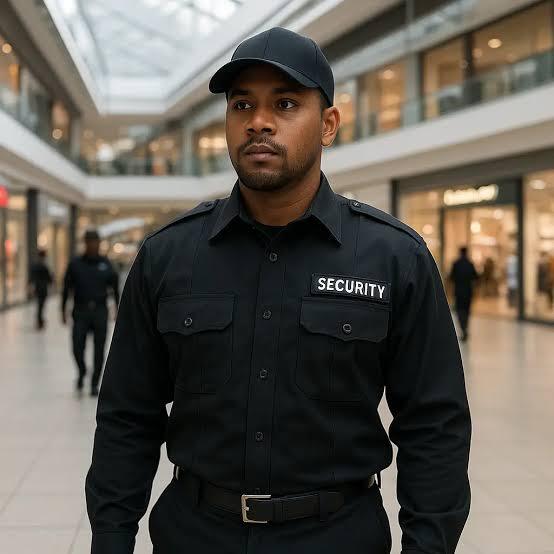

Many people use the terms “security guard” and “security officer” interchangeably, but these roles have significant differences. Understanding these differences helps you make better hiring decisions for your business or property. The roles vary in training, responsibilities, authority levels, and career paths. A private security team in Downey might include both guards and officers working together with different duties. This guide explains the key differences between these two security positions.
Job Titles and Definitions
Security guards and security officers have different job roles despite working in the same field. Private companies or individuals typically hire a security guard to monitor a specific area or location. Their primary responsibilities include patrolling the property, monitoring security cameras, and responding to potential threats. Security officers have broader roles that require more training and experience. They work in places like hospitals, government buildings, or business offices. Their duties may include investigating problems, developing security plans, and responding to emergencies. Knowing these differences helps you pick the right security person for your needs.
Training and Certification Variances
Security guards and security officers require different levels of training and certifications, depending on their job duties. Both receive basic training programs, but security officers get more detailed instruction. Officers learn about emergency response, conflict resolution, and advanced security techniques. They may need extra certifications depending on their specific job requirements. These may include first aid training, CPR certification, firearm permits, or specialized training in technology. Security guards typically receive basic training focused on observation and reporting. Understanding these training differences helps employers select qualified staff to meet their security needs.
Scope of Responsibilities
Security guards and security officers perform various tasks in their daily duties. Here are the main differences in what they do:
Security Guards:
- Watch over property and valuable items
- Monitor security cameras and equipment
- Walk around the assigned areas regularly
- Write reports about anything suspicious
Security Officers:
- Run security operations and programs
- Create security rules and procedures
- Manage other security staff members
- Handle emergencies and responses
These different responsibilities demonstrate why proper job assignment is crucial for effective security coverage.
Authority and Powers
Security guards and security officers have different levels of authority in their work. Security guards typically have limited authority – they observe situations, report problems, and deter crime through their presence. They might do basic security checks, but cannot take strong action. Security officers often have more authority, including the right to arrest individuals, carry weapons in certain cases, and enforce laws on their assigned premises. This difference in power comes from their different training levels, licenses, and job responsibilities. Understanding these authority levels helps set clear expectations for what each role can accomplish.
Uniform and Equipment Distinctions
The uniforms and equipment used by security guards and officers show their different roles:
Uniforms:
- Security Guards: Wear standard company uniforms with business logos
- Security Officers: May have different uniform styles based on their specific duties
Equipment:
- Security Guards: Use basic tools like flashlights, radios, and notebooks
- Security Officers: Get specialized gear like body cameras, advanced communication systems, or monitoring equipment
These uniform and equipment differences reflect the varying job duties and authority levels between the two positions.
Salary and Career Progression
Security guards and security officers earn different salaries and have different career paths. Security guards typically start with lower pay because their jobs require fewer skills and responsibilities. Security officers earn higher salaries since they handle more complex tasks and often need additional training or certifications. Career growth also differs between these roles. Security officers can move up to supervisor or management positions within security companies or related fields. Security guards may have fewer advancement opportunities unless they get more education or training to qualify for higher-level security jobs. These salary and career differences are particularly significant for individuals planning long-term careers in security work.
Related Topics: