The drone industry continues to evolve with new regulations that affect both recreational flyers and commercial operators. If you’re seeking trusted security firms in Las Vegas or anywhere else that uses drone technology, understanding Remote ID has become essential. This new system represents a significant shift in how drones are tracked and identified in our skies.
Think of it as a digital license plate that makes drones identifiable to authorities and other airspace users. Let’s examine what Remote ID means for you, how it works, and why it matters for the future of drone operations.
Why Remote ID for Drones Matters
Remote ID creates accountability in an increasingly crowded sky where drones are becoming commonplace. When a drone flies near an airport, critical infrastructure, or public events, Remote ID lets authorities quickly identify who’s operating it. This prevents dangerous situations and helps distinguish between legitimate operators and those with malicious intent.
For law enforcement, Remote ID provides crucial information when investigating drone-related incidents. For the drone industry itself, this technology represents a stepping stone toward more advanced operations like beyond visual line of sight flights and autonomous deliveries. Without this identification system, these exciting possibilities would remain grounded by safety concerns.
Understanding the Basics of Remote ID
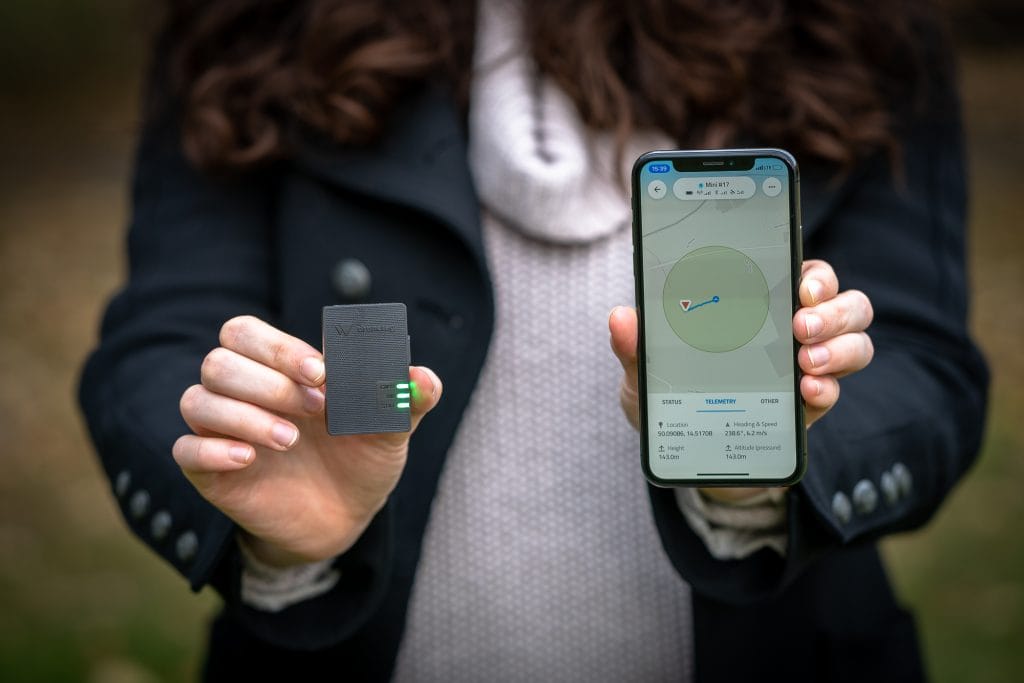
Remote ID works like a digital broadcast that shares key information about your drone while it’s in flight. Your drone continuously transmits its location, altitude, speed, and a unique identification number that links back to your registration. This happens through one of two methods: either direct broadcast from the drone itself using radio frequency (like Bluetooth or Wi-Fi), or through an internet connection to a Remote ID service.
Most newer drones come with this technology built-in, while older models may need add-on modules. The information is accessible to the FAA, law enforcement, and sometimes even the public through smartphone apps. The system creates transparency without compromising your personal data, as your home address and private details remain protected.
Implementation of Remote ID Requirements
The FAA has established a clear timeline for Remote ID implementation that affects everyone from hobbyists to commercial operators. Manufacturers must now produce drones with built-in Remote ID capabilities, and most new models already comply with these standards. If you own an older drone, you’ll need to either retrofit it with a Remote ID module or fly exclusively within designated FAA-recognized identification areas (FRIAs).
The grace period for compliance has been strategically phased to give everyone time to adapt, but full enforcement is approaching. During this transition, drone pilots must register their aircraft with the FAA and connect this registration with their Remote ID broadcast. The requirements vary slightly depending on the drone’s weight and intended use, with commercial operators facing more stringent standards.
Implications for Drone Operators
For drone pilots, Remote ID compliance adds another layer to pre-flight preparation. You’ll need to verify that your drone’s Remote ID system is functioning before each flight, like checking battery levels or calibrating sensors. Flight planning apps are integrating Remote ID status checks to simplify this process. While this might seem burdensome initially, many operators report that Remote ID functions seamlessly in the background once set up.
The penalties for non-compliance can be severe, including fines and potential revocation of your drone registration or license. The upside is that Remote ID helps legitimate operators distinguish themselves from reckless flyers, potentially reducing blanket restrictions on drone activities as authorities gain confidence in their ability to identify and track problematic drones.
Future of Remote ID Technology
Remote ID is just the beginning of a more connected drone ecosystem. Future iterations will likely integrate with unmanned traffic management (UTM) systems that coordinate drone movements automatically. We’re already seeing manufacturers develop enhanced Remote ID capabilities beyond minimum requirements, offering features like intent broadcasting (sharing where the drone plans to fly next) and automated airspace permissions. As 5G networks expand, Remote ID will benefit from faster, more reliable connections.
The technology could eventually support drone-to-drone communication, allowing autonomous collision avoidance. These advancements enable complex operations like urban air mobility and autonomous delivery networks. For security applications, Remote ID will become a cornerstone of drone detection systems that distinguish between authorized and unauthorized aircraft.
Don’t wait until enforcement catches you unprepared – make Remote ID compliance part of your regular drone maintenance routine today. Check your equipment specifications, update your registrations, and consider upgrading older models that can’t broadcast identification. By embracing these regulations now, you’ll position yourself for success as the drone industry continues its remarkable growth.
Other Related Topics: