
The Importance of Security Guards in High-Risk Locations: A Key Component of Risk Management
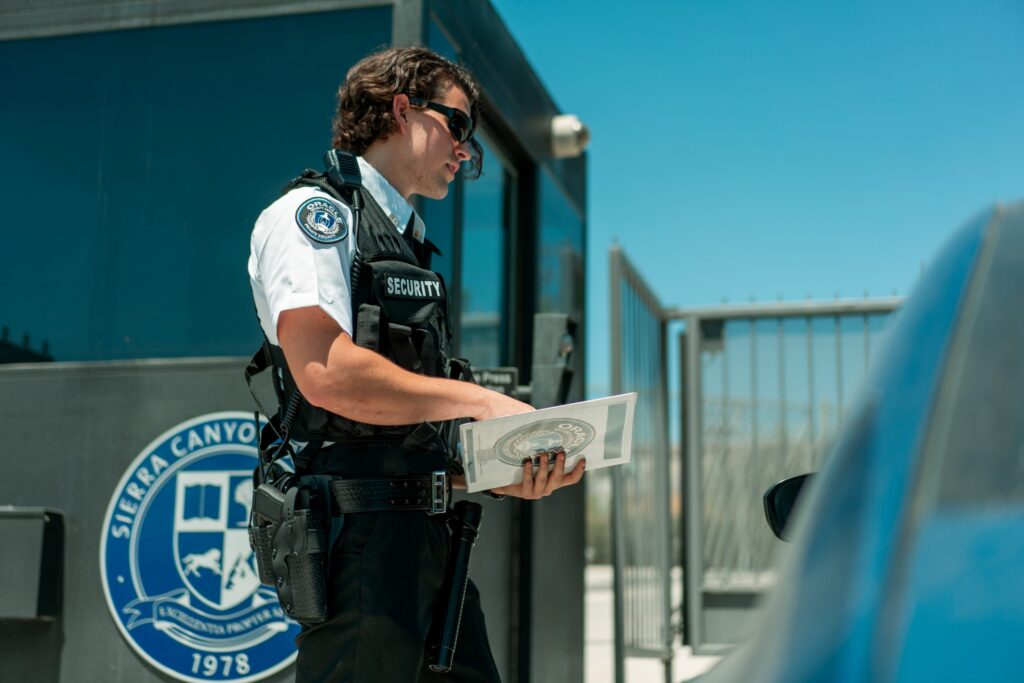
High-risk locations face unique security challenges that require specialized protection strategies. These environments, from corporate facilities to public venues, need trained professionals who can handle complex threats. Security guards serve as the front line of defense, providing both visible deterrence and active monitoring. Their role goes beyond simple observation to include threat assessment, emergency response, and risk prevention. Working with a leading private security company ensures comprehensive protection tailored to each location’s specific vulnerabilities.


Role of Security Guards

Security guards serve multiple functions in high-risk areas. Their visible presence alone discourages criminal activity and creates a safer environment for everyone inside. Guards actively watch for suspicious behavior, unauthorized access attempts, and potential security breaches. They control who enters and exits the facility, checking credentials and monitoring visitor activity.

When problems arise, security guards respond quickly to contain threats before they grow worse. They handle emergencies like fires, medical situations, or violent incidents with proper training and clear procedures. Guards also work closely with law enforcement when needed, providing valuable information and support during investigations.


Risk Mitigation Strategies

Effective security requires multiple layers of protection working together. Risk mitigation combines planning, assessment, and action to reduce vulnerabilities:

  • Threat Assessment: Regular evaluation of potential risks specific to each location and industry
  • Security Protocols: Clear procedures tailored to address identified risks and vulnerabilities
  • Emergency Response Plans: Step-by-step plans for handling different types of security incidents


Importance of Proactive Measures

Prevention works better than reaction when protecting high-risk locations. Proactive security means identifying problems before they happen and taking steps to prevent them. This includes regular security audits, ongoing risk assessments, and continuous monitoring of the premises.

Modern technology plays a big role in proactive security. Cameras, access control systems, and alarm systems help detect threats early. Communication systems allow quick coordination between guards and management. Regular training keeps security staff prepared for new challenges and changing threat patterns.


Quick Response Capabilities

Fast response times can make the difference between a minor incident and a major security breach. Security teams must be ready to act quickly when threats appear. This requires proper preparation and the right tools:

  • Continuous Training: Regular practice sessions keep guards sharp and ready for any situation
  • Advanced Communication Systems: Modern technology allows instant communication and coordination
  • Strategic Deployment: Smart positioning of guards ensures quick response times across the facility


Safeguarding People and Assets

Protecting people and property requires a complete security approach. This starts with understanding what needs protection and what threats exist. Security plans must address the specific risks each location faces.

Trained guards form the core of any security system. They monitor entrances, patrol areas, and watch for problems—access control systems limit who can enter restricted areas. Surveillance cameras provide extra eyes and record important events. Together, these elements create multiple barriers against security threats.


Enhancing Safety and Security

Strong security combines technology, training, and smart planning. Modern surveillance systems provide real-time monitoring capabilities. Regular security reviews help identify weak points that need attention. Emergency response procedures ensure quick action when incidents occur.

Ongoing evaluation helps security systems stay effective as threats change. By constantly reviewing and updating security measures, organizations can stay ahead of new risks and maintain safe environments for everyone.

  • Implementation of real-time monitoring tools
  • Regular security audits and updates
  • Integration of emergency response protocols


Related Topics:

Your safety is our mission—subscribe today for expert tips and updates from Code 4 Private Security.

Top Security Trends Every Business Should Know About for Enhanced Protection

Business security is changing fast, and companies need to stay updated with the latest protection methods. New threats appear daily, making it harder for businesses to keep their data safe. Professional private security solutions now include advanced technology and smart systems to fight these risks. This guide explains the most important security trends that can help protect your business. Understanding these trends will help you build stronger defenses and keep your company secure.


Cybersecurity Automation

Using automated security tools has significantly improved our threat detection and made it faster. Security systems can now watch network activities all day and spot problems right away using SIEM (Security Information and Event Management) systems. When threats are found, automated responses can stop them quickly before they cause damage. This means less time wasted and fewer mistakes made by people. Automated security also helps us use our team’s time better by handling routine tasks. These systems learn from each attack and get smarter over time, making our defenses stronger.


Zero Trust Framework

Zero Trust means never trusting anyone or anything on your network without first verifying their identity. This security model treats all network traffic as dangerous until proven safe, regardless of its origin. Companies using Zero Trust check every user and device before letting them access data. This approach uses strict access rules, constant monitoring, and gives people only the access they need for their job. Zero Trust works well because hackers can’t easily move around your network once they get in. This method fits today’s world, where traditional security barriers aren’t enough to stop smart attackers.


Cloud Security Solutions

Cloud security protects your data when it’s stored online instead of on your own computers. Good cloud security uses encryption to scramble your data so only authorized individuals can read it. Access controls make sure only approved users can see sensitive information based on their job role. Real-time monitoring watches for threats and responds quickly to stop attacks. Multi-factor authentication adds extra protection by requiring more than just a password to get in. These security steps not only keep data safe but also increase customer trust in your business.


AI-Powered Threat Detection

Smart computer systems (AI) can spot security threats much faster and more accurately than humans alone. These AI systems look at huge amounts of data every second to find unusual patterns that might be attacks. Machine learning helps these systems get better over time by learning from new threats. AI can quickly identify new dangers, decide which alerts are most important, and automatically respond to stop threats. Using AI in security systems helps find problems before they cause damage and reduces the time it takes to fix issues. In today’s fast-changing threat world, AI is a must-have tool for strong security.


Endpoint Security Enhancements

Protecting individual devices like computers, phones, and tablets is crucial for business security. Each device that connects to your network can be a way for hackers to get in. Modern endpoint protection includes:

  • Real-time threat monitoring that watches devices constantly
  • Behavioral analysis that spots unusual activity
  • Application control that blocks dangerous programs
  • Device encryption that protects data if devices are lost or stolen

Endpoint detection and response (EDR) tools provide continuous monitoring and quick response when threats are found. Regular updates and strong access controls make endpoints even more secure. Keeping all devices protected is key to preventing hackers from accessing important business information.


Compliance and Regulatory Updates

Staying current with security laws and rules is important for protecting your business and avoiding fines. Data protection laws like GDPR and HIPAA change regularly, so companies must keep up with new requirements. Understanding which rules apply to your industry helps you put the right protections in place. Regular security audits help find gaps in your defenses and fix them before problems happen. Working with legal experts helps you understand complex regulations. By staying ahead of compliance changes, businesses can strengthen their security and demonstrate their commitment to data protection.


Related Topics:

Your safety is our mission—subscribe today for expert tips and updates from Code 4 Private Security.

How to Accurately Evaluate the Effectiveness of Your Security Services
Measuring your security services properly helps you make better decisions and use resources wisely. Setting clear evaluation standards gives you a solid base for checking how well your protection systems work. Finding the best security guards and security services requires looking at specific measures like response time, rule following, and how quickly problems are resolved. You also need to check for weak spots, review emergency plans, and ensure compliance with all regulations. These steps help improve your security and show its real value.


Importance of Evaluation Criteria

Setting clear evaluation standards is vital for effectively evaluating security services. These standards help you make smart decisions and use resources well. Good evaluation criteria let you measure performance fairly and compare results over time. You should focus on things like how fast guards respond, how well they solve problems, training quality, and following safety rules. These measures help you see what works and what needs fixing. Clear standards also help you compare your security with industry practices. This way, you can spot areas that need work and make your security better while using resources wisely.


Key Performance Indicators (KPIs)

KPIs help you measure the effectiveness of your security services by tracking specific numbers and results. These measurements show you exactly how your security team performs and where they can improve. Important KPIs include response time to emergencies, false alarm rates, compliance with safety rules, and how quickly problems are resolved. Good KPIs match your company’s goals and help you track progress over time. Checking KPI data regularly helps you make smart choices about security improvements. You can use this information to allocate resources better, improve security plans, and demonstrate the importance of security services to others. KPIs give you concrete proof of your security team’s effectiveness.


Vulnerability Assessments and Testing

Regular security testing helps find weak spots in your protection systems before bad actors can use them. This proactive approach keeps your security strong and up-to-date. When doing vulnerability testing, you might experience different feelings:

  1. Worry: Finding security gaps can make you nervous about potential risks and threats.
  2. Relief: Fixing these problems brings peace of mind knowing your security is stronger.
  3. Confidence: Understanding your weak points helps you make better security decisions and improvements.

Testing should happen regularly and cover all parts of your security system. This includes checking physical security, computer systems, and staff procedures.


Incident Response Plan Evaluation

Checking your emergency response plan helps you know if your team can handle security problems quickly and well. Start by reading through your plan carefully, looking at goals, steps, and who is responsible for what during emergencies. Practice exercises help test your plan in safe, controlled situations. Look at how your team handled past incidents and what you learned from them. Keep updating your plan based on new threats and changes in your organization. Regular plan reviews help your team stay ready for security incidents. Good emergency planning reduces damage and helps your business recover faster when problems happen.


Compliance and Regulatory Audits

Security audits check if your company follows all required safety rules and industry standards. These reviews validate that your security practices meet legal requirements:

  1. Stress: Waiting for audit results can cause worry about possible rule violations and penalties.
  2. Relief: Passing audits brings comfort knowing your security meets all required standards.
  3. Drive: Audit findings often push organizations to keep improving their security practices.

These audits act as important checkpoints for maintaining proper security standards. They help you stay current with changing rules and show your commitment to keeping everything secure.


Continuous Improvement Strategies

Building a culture of constant improvement helps strengthen your security services over time. This means regularly looking for problems, understanding what causes them, and fixing them properly. Review your security rules often, check for risks, and learn from security incidents. Set up KPIs to track progress and measure the effectiveness of your security measures. Create an environment where security team members can share ideas and work together on solutions. This teamwork leads to new ideas and better security practices. Continuous improvement isn’t a one-time job – it’s an ongoing mindset that helps you adapt to new security challenges and stay protected.


Related Topics:

Your safety is our mission—subscribe today for expert tips and updates from Code 4 Private Security.

The Role of Security Guards in the Workplace: Preventing Crime and Ensuring Safety
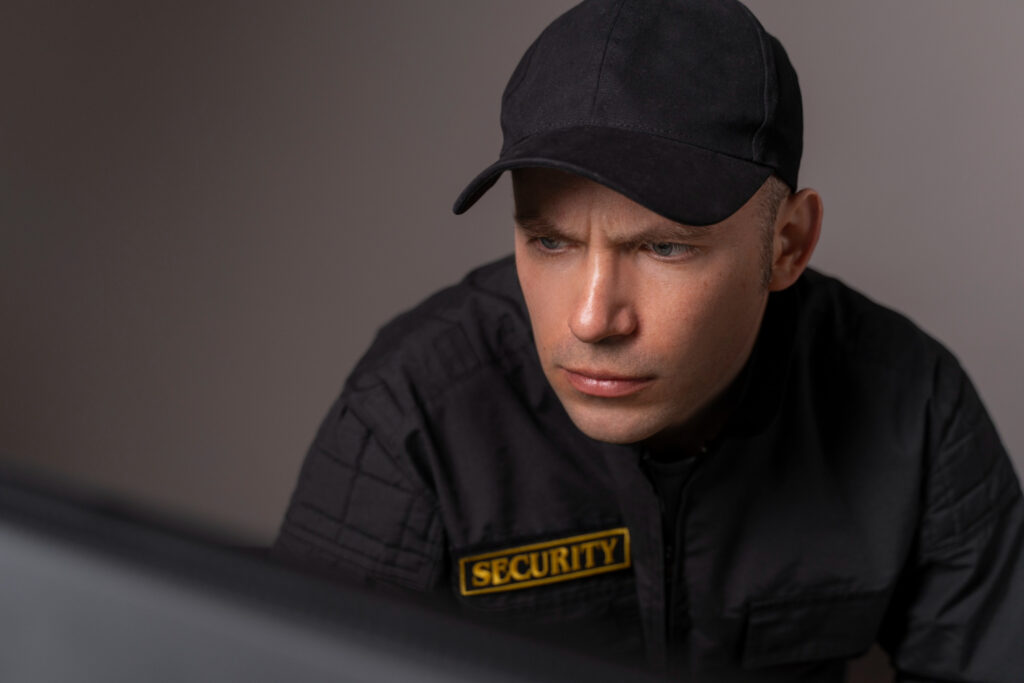
Security guards serve a critical function in today’s workplace environments by protecting people and property from various threats. Las Vegas private security professionals and guards everywhere help companies create safer work environments through proven methods and strategies. This guide explains how workplace security guards prevent crime, respond to emergencies, and keep employees safe. You’ll learn about the main duties security guards handle and how they protect your business. Understanding these roles helps you see why professional security is important for any workplace.


Crime Prevention Measures

Strong security systems help prevent crime before it happens. Access control systems like keycards and fingerprint scanners control who enters the building, keeping out unwanted visitors. Security cameras placed around the facility watch for suspicious activity and discourage criminals from acting. Background checks on new employees make sure people with criminal records don’t get access to important areas. Regular security reviews help find weak spots that need fixing. These steps work together to create a safe environment where crime is less likely to happen.


Emergency Response Protocols

Clear emergency plans protect everyone when dangerous situations occur. These plans cover different emergencies like fires, medical problems, or security threats. All staff members, including security guards, learn these procedures through training and practice drills. Each person knows their specific job during an emergency to ensure quick, organized action. Good communication systems, like alarms and radios, help spread information fast. Regular updates to these plans based on real experiences improve their effectiveness. Well-planned emergency responses save lives and reduce damage when problems happen.


Surveillance System Monitoring

Watching security cameras is a key part of workplace protection. Guards monitor all areas constantly to spot trouble quickly. Cameras are placed at entrances, exits, and valuable areas for the best coverage. Reviewing footage helps guards notice unusual behavior or patterns that might signal problems. Regular checks make sure all cameras and recording equipment work properly. Active monitoring helps security guards respond fast to threats and keeps the workplace safer overall.


Access Control and Monitoring

Controlling who enters different workplace areas strengthens security significantly. Access systems use keycards, fingerprint scanners, or PIN codes to stop unauthorized entry. Real-time monitoring of entry points lets guards track employee movement and spot unusual activity. Combining cameras with access systems creates complete security coverage. Checking entry records regularly helps find patterns or problems that indicate security risks. Good access control and monitoring systems prevent threats and improve workplace safety.


Conflict Resolution Strategies

Handling workplace conflicts requires specific skills and approaches. Guards use structured communication to calm tense situations and find solutions that work for everyone. Listening carefully to all sides helps guards understand what’s happening. Clear, respectful communication helps clarify problems and address the main issues. Mediation techniques guide people toward agreements and solutions. Staying neutral and encouraging open talk builds trust between conflicting parties. Setting clear rules and enforcing them consistently prevents future conflicts from starting.


Safety and Security Training

Proper training gives security guards the skills they need to protect workplaces effectively. Training programs teach guards how to handle security threats and emergencies. Here are four important parts of good security training:

  1. Risk Assessment Techniques: Teaching guards how to spot and evaluate potential dangers in their work environment
  2. Emergency Response Protocols: Giving detailed steps for handling fires, medical emergencies, or security problems
  3. Communication Strategies: Training guards to calm conflicts and share important information quickly
  4. Legal and Ethical Considerations: Teaching guards about laws and proper behavior to ensure they follow all rules and act responsibly


Related Topics:


Your safety is our mission—subscribe today for expert tips and updates from Code 4 Private Security.

How to Choose the Right Security Company for Your Business: Essential Factors to Consider

Selecting the right private security company for your business involves looking at several important factors. This guide walks you through the key areas to check when picking a security provider. You need to review their industry knowledge, reputation, service options, ability to customize solutions, technology use, and pricing. Each factor helps you make the best choice for protecting your business.


Industry Experience

Pick a security company with solid experience in your specific industry. Companies that know your field understand the unique risks you face. They know the rules, trends, and best practices for handling security in your type of business. This knowledge helps them create better security plans for your needs. When a company has handled similar businesses before, it can spot problems faster and fix them better. This experience gives you confidence that your security team knows what they’re doing.


Reputation and Reviews

Check what other customers say about the security company before making your choice. Reading reviews helps you understand how well they perform. When looking at their reputation, focus on these points:

  1. Consistency: See if reviews show they provide good service all the time
  2. Response Time: Check how they handle complaints or problems that customers report
  3. Industry Recognition: Look for awards or certifications that show they’re experts in security

Good reviews and a strong reputation mean the company likely provides reliable service.


Range of Services Offered

Look for a security company that offers a range of services to meet all your needs. A good provider should have on-site guards, alarm monitoring, access control, video cameras, security advice, and emergency response. Having many services available means you can get everything from one company. This makes managing your security easier and often costs less. Also, check if they can expand their services as your business grows. Companies with many service options demonstrate their experience and can handle different security challenges.


Customization Options

Please make sure the security company can adjust its services to fit your specific business needs. Every business is different and needs different security solutions. Look for these options:

  1. Tailored Security Plans: Companies that create custom security plans after studying your business and its risks
  2. Flexible Service Packages: Providers that let you change services when your needs change or your business grows
  3. Customizable Technology Integration: Companies that can connect their security systems with your existing equipment

Getting customized service means your security solution fits your business perfectly rather than a one-size-fits-all approach.


Technology and Innovation

Choose a security company that uses modern technology to better protect your business. Look for companies that offer advanced cameras, fingerprint or card readers, and smart analytics systems. Good security companies invest in new technology to stay ahead of threats. They should also help protect your computer systems with encryption and monitoring tools. Make sure they keep their technology updated and know about new security trends. Using the latest technology helps prevent problems before they happen and keeps your business safer.


Pricing and Contracts

Understand the security company’s charges and what their contracts include. This helps you make a smart financial decision. Look for these important points:

  1. Transparent Pricing: Companies that clearly explain all costs with no hidden fees or surprise charges
  2. Flexible Contract Options: Security companies that offer contract terms you can change without being stuck in long agreements
  3. Service Level Agreements (SLAs): Contracts that clearly state what service you’ll get and hold the company responsible for meeting those promises

Clear pricing and fair contracts protect you and make sure you get good value for your money.


Related Topics:


Your safety is our mission—subscribe today for expert tips and updates from Code 4 Private Security.

What Is the Responsibility of Security Guard: Essential Tasks and Skills
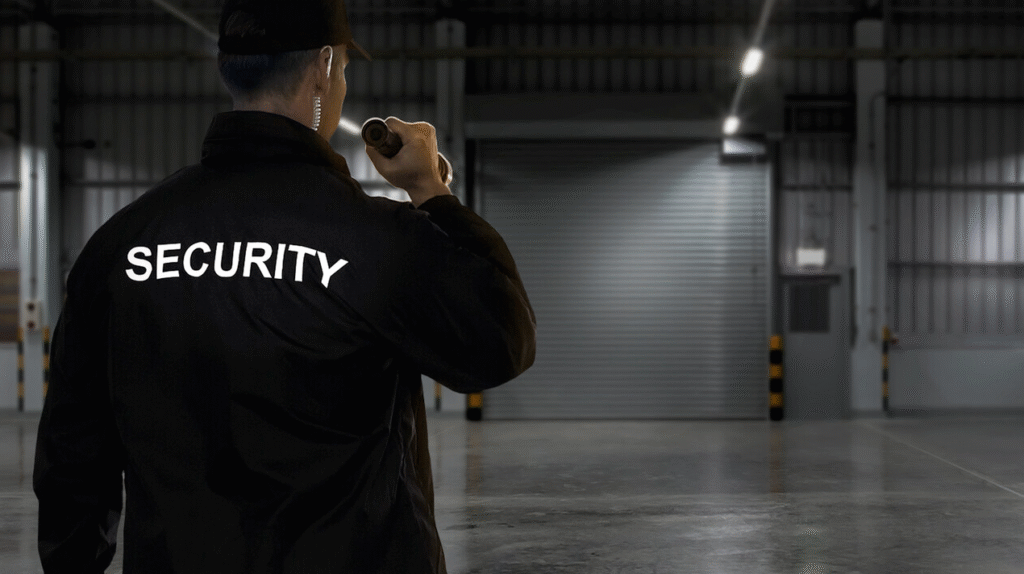
Security guards have many important duties that help keep people and property safe. Their main job is to watch for problems and respond quickly when needed. They patrol areas, use security equipment, handle emergencies, and work with others to maintain safety. Understanding these duties helps people appreciate the hard work that trustworthy security guards do every day.


Core Responsibilities

Security guards have several main duties that keep places safe. They walk around buildings and areas to check for problems. They watch security cameras and look for anything unusual or dangerous. When they see something wrong, they take prompt action to fix the problem or get help. Guards also stop people who shouldn’t be in certain areas. They help during emergencies like fires or medical problems. Good guards stay alert and ready to help at all times. They work with police and other safety workers when needed. These basic duties help protect people and property every day.


Security Equipment Handling

Security guards use many types of equipment to perform their duties effectively. They operate cameras, metal detectors, alarm systems, and access control devices. Guards need to know how each piece of equipment works. They check equipment regularly to make sure it’s working right. When something breaks, they fix it or get help to repair it. Guards also learn about new security tools as they become available. Taking good care of equipment helps it last longer and work better. Regular training on equipment use keeps guards ready for any situation.


Emergency Response Procedures

When emergencies happen, security guards must act quickly and follow specific steps. Here are the main things they do:

  1. Check the Situation: Look at what’s happening and how serious it is
  2. Call for Help: Contact the police, the fire department, or medical services right away
  3. Move People to Safety: Guide people to safe areas and secure the location
  4. Give Help: Provide first aid or other support until more help arrives

Following these steps helps guards handle emergencies in an organized way that keeps everyone as safe as possible.


Communication Skills

Good communication helps security guards perform their duties more effectively. Guards need to speak clearly when giving directions or asking questions. They must write good reports about what happens during their shifts. Listening carefully helps guards understand problems and respond appropriately. Guards also use body language to stay calm and help others feel safe. When guards communicate well, they can work better with their team and help people more effectively. Clear communication prevents confusion and helps solve problems faster.


Conflict Resolution Techniques

Security guards often deal with arguments or tense situations. They use special methods to calm things down:

  1. Listen Carefully: Pay attention to what everyone is saying and feeling
  2. Stay Calm: Keep cool and don’t get upset or angry
  3. Talk Clearly: Explain rules and expectations in a simple way
  4. Find Solutions: Look for ways to fix the real problem causing the conflict

These skills help guards solve problems without making situations worse.


Continuous Training and Development

Security guards need to keep learning new things to stay effective in their roles. They attend training sessions to learn about new laws, equipment, and safety methods. Training covers topics like handling conflicts, emergency procedures, and communication skills. Guards also go to workshops and earn certificates to improve their skills. Regular learning helps guards stay ready for new challenges and changes in their work. This ongoing education makes guards more effective at protecting people and property.


Related Topics:

Your safety is our mission—subscribe today for expert tips and updates from Code 4 Private Security.

Effective Strategies: What Can You Do to Prevent Physical Security Incidents
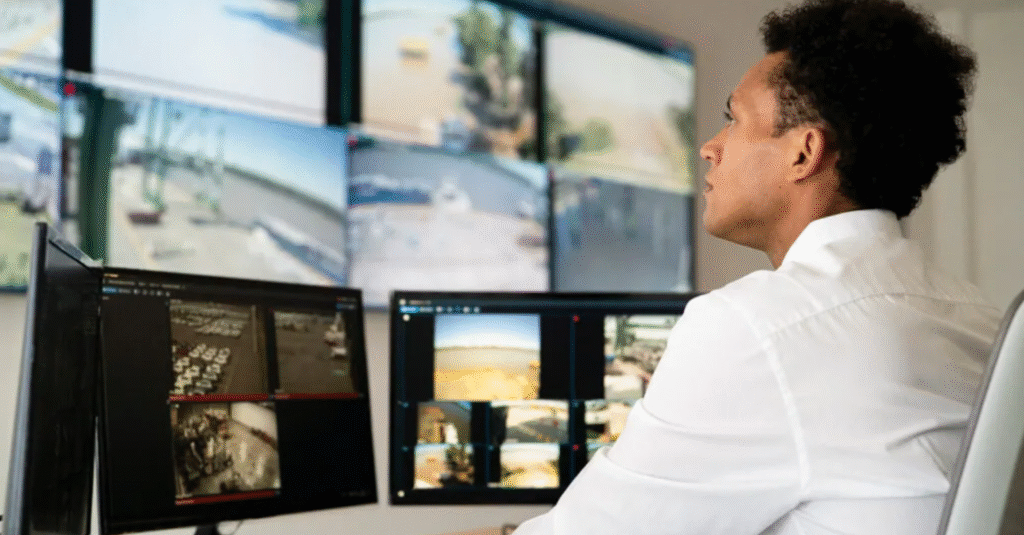
Preventing physical security incidents requires a well-planned approach with multiple safety measures. This guide explains the main steps you can take to protect your business or property from security threats. You need to focus on risk checks, access control, cameras, training, and emergency plans. Finding reliable security guards and implementing proper safety systems work together to create strong protection. These strategies help you build a complete security plan that keeps people and property safe.


Risk Assessment

A good risk check is the first step in preventing security problems. You need to look at your property and find weak spots that could lead to trouble. Check things like building layout, current safety measures, and possible threats. This helps you see which areas need the most attention and protection. Focus your time and money on the biggest risks first. Do regular checks to stay updated on new threats. A solid risk assessment gives you the foundation for all other security steps.


Access Control

Controlling who gets into your building is vital for keeping it safe. Access control stops unauthorized people from entering restricted areas. Use keycards, fingerprint scanners, or access codes to control entry points. Give different access levels to people based on their job needs. Check and update access permissions regularly as people join or leave. Using multiple forms of identification makes the system even stronger. Train your staff on how to use access control systems properly to improve their effectiveness.


Surveillance Systems

Modern camera systems help you watch your property in real-time and record what happens. Cameras work as a warning to stop bad behavior before it starts. Place cameras in key areas to monitor activities and quickly spot suspicious behavior. Connect your cameras to access control systems for better overall protection. Keep your camera systems maintained and updated so they work properly. Use features like motion detection and remote viewing to enhance your surveillance capabilities and protect people and property.


Security Training

Teaching your staff about security helps them better handle threats. Good training gives employees the skills they need to respond to security problems. Here are key ways to improve security training:

  • Hold regular meetings to teach staff about current security risks
  • Practice real-life security situations with hands-on training
  • Teach employees about new security tools and methods
  • Create a culture where people report suspicious activities right away


Incident Response Plan

Having a clear plan for security emergencies helps you respond quickly and effectively. Your plan should explain exactly what to do when security problems happen. Include steps for finding, stopping, and fixing security issues. Set up a response team with clear jobs for each person. Create communication rules and practice your plan with regular drills. Update your plan often to handle new threats. A good emergency plan reduces damage from security incidents and protects your assets better.


Regular Audits

Security audits check how well your safety measures are working. Regular reviews make sure your security stays current and find problems before they become bigger issues. Here are the main benefits of doing security audits:

  • Finding Problems: Audits spot weak areas that need improvement or fixes
  • Following Rules: Audits make sure your security meets industry standards and regulations
  • Checking Risks: Reviews help you see potential dangers and take action to prevent them
  • Getting Better: Regular audits give you information to improve your overall security plans


Related Topics:

Your safety is our mission—subscribe today for expert tips and updates from Code 4 Private Security.

Can Security Guards Detain You: Understanding Their Legal Powers
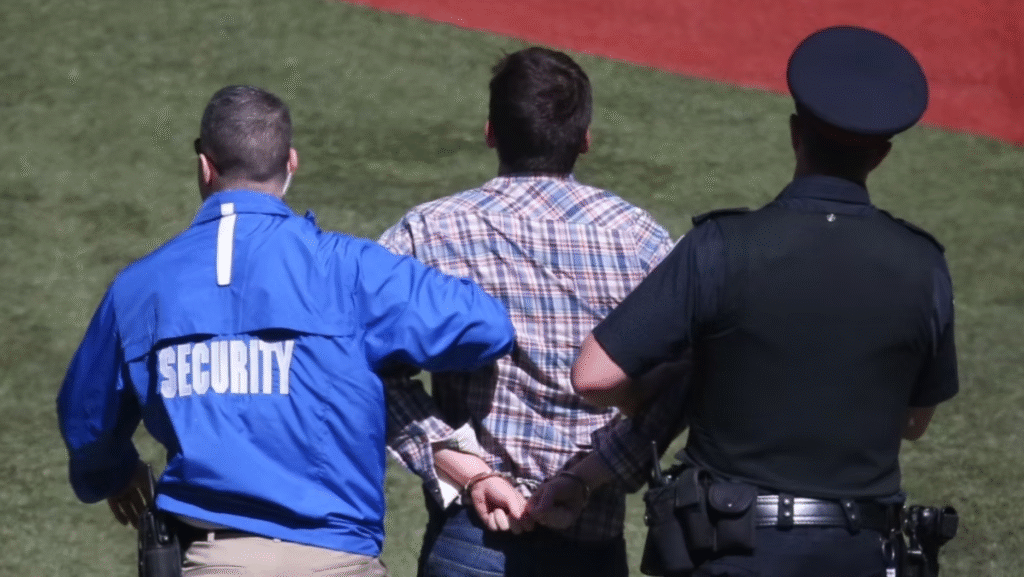
Many people wonder about the legal powers of security personnel and what they can do in different situations. The best security guards work within clear legal boundaries set by state laws when it comes to detaining individuals. This article explains when security guards can detain someone, what rights you have during detention, and the proper procedures they must follow. Understanding these rules helps both security staff and the public know what’s allowed and what isn’t during security encounters.


Legal Authority of Security Guards

Security guards get their legal power from state laws that spell out what they can and cannot do on their assigned property. These laws let guards enforce rules, stop crimes, and protect people and property. Guards can patrol areas, watch security cameras, and respond when problems happen. They can also ask for ID, tell people to leave, and hold someone under certain conditions. Each state has different rules, so guards must know the laws in their state. Following these laws helps guards do their job right while staying within legal limits.


Conditions for Detaining Individuals

Security guards can only detain people when specific conditions are met according to state laws. The main requirement is reasonable suspicion – guards must have a good reason to believe someone committed a crime, is committing one, or is about to commit one. This belief must be based on real facts they can see or hear, not guesses or personal bias. Guards must also stay within their job duties and not exceed their authority. The way they detain someone must match the situation – they can’t use too much force for minor issues. Meeting these conditions is important for guards to detain people legally.


Rights of the Detained Person

People who security guards detain have important rights that must be respected. You have the right to know why you’re being held, and guards must tell you clearly and quickly. You also have the right to stay quiet and not answer questions that might get you in trouble. During detention, guards must treat you with respect and provide basic needs like bathroom access and medical help if needed. Any searches must be done legally and respect your privacy. Guards cannot search you inappropriately or violate your rights. These protections help make sure detention is fair and legal.


Procedures for Detention

Security guards must follow specific steps when detaining someone to make sure everything is done legally and properly.

Key Procedures for Detention:

  1. Have Good Reason: Guards must believe based on facts that the person committed, is committing, or will commit a crime.
  2. Use the Right Amount of Force: Guards can only use the force needed to hold someone safely, following legal rules.
  3. Tell the Person Why: Guards must clearly explain why they’re holding someone and inform them of their rights.
  4. Call Police When Needed: If the situation is serious, guards should contact law enforcement quickly to ensure proper handling.


Limitations on Security Guards’ Powers

Security guards have clear limits on what they can do, even when detaining someone. They cannot use too much force or hurt people unnecessarily, as this can lead to legal problems. Guards can only act on the property they’re hired to protect – they cannot chase people into public areas or other buildings. They also cannot arrest people like police officers can; they can only hold them until real police arrive. Guards cannot search vehicles or personal belongings without permission or legal cause. Understanding these limits helps guards stay within the law and helps people know what guards cannot do to them.


Handling Encounters With Security Guards

When you meet security guards, knowing how to handle the situation properly protects both you and them. Here are simple tips to follow:

  1. Stay Calm: Keep cool and don’t make the situation worse by getting upset or argumentative.
  2. Know Your Rights: Learn what security guards can and cannot legally do to you.
  3. Be Reasonable: Follow fair requests but politely stand up for your rights when needed.
  4. Keep Records: Write down the guard’s name, location, and what happened in case you need this information later.


Related Topics:

Your safety is our mission—subscribe today for expert tips and updates from Code 4 Private Security.

Can a Security Guard Physically Remove You: Learn the Rights and Responsibilities

Skilled security guards operate within specific legal boundaries when removing people from properties. This guide explains when guards can physically remove someone, what rights you have during removal, and how these situations are handled. We’ll cover the legal reasons for removal, proper use of force, your rights during the process, and techniques guards use to handle conflicts. Understanding these rules helps protect everyone involved and ensures fair treatment in security situations.


Security Guards’ Authority to Remove

Security guards have the power to remove people from properties in certain situations. This authority helps keep the property and people safe. Guards can take action when someone is being disruptive, trespassing, or creating threats. They must use this power carefully and follow the law and company rules. Guards need to understand when removal is allowed and follow the right steps. Their job is to keep order and protect the property they watch over. They must follow all rules and regulations to maintain a safe space for everyone.


Legal Grounds for Physical Removal

Security guards can physically remove people when it’s needed to keep everyone safe. Legal reasons for removal usually happen when someone threatens themselves, others, or the property. These rules come from laws that let guards protect people and prevent harm. When deciding if physical removal is needed, guards must assess the situation’s danger level. Things like bad behavior, not following rules, or criminal activities can lead to removal. Guards must follow proper steps to make sure removal stays within legal limits.


Use of Reasonable Force

When physical removal is needed, security guards must follow rules about using reasonable force to handle people properly. When using reasonable force, guards must consider these points:

  1. Proportionality: The amount of force used must match the threat or resistance they face.
  2. Necessity: Use force only when needed to remove someone or prevent harm to others.
  3. Documentation: Keep detailed records of what happened, including reasons for using force, actions taken, and any injuries.

Following these rules helps guards stay professional and legal when removing people.


Your Rights During Removal

When being removed by a security guard, you have important rights that must be respected. You have the right to know why you’re being removed. Guards should speak clearly and calmly without using unnecessary force. Physical force should only be used when other methods don’t work. You can ask for the police to be called if you feel your rights are being violated during removal. You should not fight back physically, as this can make the situation worse and cause legal problems for you.


Escalation and De-escalation Techniques

Good security guards learn different ways to handle tough situations professionally. These methods help reduce tension, prevent violence, and keep everyone safe.

  1. Active Listening: Guards learn to listen carefully to people’s concerns to show understanding and identify the root cause.
  2. Staying Calm: Keeping cool in stressful situations helps reduce conflicts and prevents them from escalating.
  3. Clear Communication: Speaking clearly and is important for explaining rules and instructions to solve problems peacefully.


Seeking Legal Recourse

Security teams must understand how to take legal action when needed to protect everyone’s rights and safety. When physical removal happens, guards need to know the laws they must follow. Taking legal action means accurately documenting the incident, collecting evidence like witness statements or videos, and reporting incidents quickly to authorities or management. Knowing local laws about security work is important to make sure actions are legal and justified. Getting legal advice when facing complex issues can help security teams handle legal challenges properly.


Related Topics:

Your safety is our mission—subscribe today for expert tips and updates from Code 4 Private Security.

The Importance of Physical Security: Why Is It So Crucial

Physical security protects businesses and organizations from many threats that can harm operations and people. Understanding why physical security matters helps business owners make smart decisions about protecting their property and staff. Many companies rely on leading private security in San Jose and other areas to create safe work environments. This guide explains the main reasons why physical security is so important for any business or organization. Strong security measures help prevent crime, protect valuable items, keep workers safe, and meet legal requirements.


Physical Security Deters Criminal Activities

Good physical security stops criminals from targeting your business. Security cameras, alarms, and access control systems work together to scare off potential criminals. When people see cameras watching them, they are less likely to steal or damage property. Access controls make it hard for unauthorized people to enter restricted areas. Security guards provide another layer of protection by watching for suspicious activity. These measures create a strong defense that makes criminals think twice before attempting illegal activities. The visible presence of security systems sends a clear message that your property is well-protected.


Protection of Assets and Resources

Physical security keeps your valuable items and information safe from theft and damage. Security systems like cameras, alarms, and locked storage areas protect equipment, inventory, and important documents. Access control systems make sure only authorized people can reach sensitive areas. Proper tracking systems help monitor the location and use of assets. Physical barriers like fences and secure doors add extra protection. Regular inventory checks help identify missing items quickly. These security measures work together to reduce losses and keep your business resources secure.


Ensuring Workplace Safety

Creating a safe workplace requires careful planning and the right security measures. A secure environment protects employees and visitors from harm while helping business operations run smoothly. Key safety strategies include:

  • Installing access control systems to manage who enters and leaves
  • Performing regular security checks to find weak spots
  • Setting up surveillance cameras for constant monitoring
  • Training all staff on emergency response procedures


Mitigating Insider Threats

Protecting against threats from inside your organization requires careful monitoring and clear policies. Companies need strong access controls that limit what employees can access based on their job roles. Background checks during hiring help identify potential risks before they become problems. Clear security rules and regular training teach employees about proper security practices. Open communication helps workers report suspicious behavior safely. Regular monitoring of employee activities can spot unusual patterns that might indicate problems. These steps help catch insider threats early and prevent damage to your business.


Compliance With Regulations and Standards

Following security rules and standards is required by law and helps build trust with customers and partners. Meeting these requirements protects your business from fines and legal trouble. Compliance covers several important areas:

  • Legal Requirements: Following laws prevents costly fines and legal action
  • Data Protection: Rules help keep sensitive information safe from unauthorized access
  • Risk Reduction: Standards help identify and fix security problems before they cause damage
  • Business Reputation: Compliance shows customers and partners that you take security seriously


Enhancing Overall Security Posture

Building stronger security means identifying vulnerabilities and fixing them with effective solutions. Regular security assessments help identify areas that need improvement in your current setup. A layered approach works best, combining physical barriers, access controls, cameras, and staff training. Testing your security systems regularly makes sure they work properly and can handle new types of threats. Employee training keeps everyone aware of security best practices and their role in maintaining safety. Continuous improvement helps your security stay effective as threats change over time. Strong security protects your assets, data, and people from potential harm.


Related Topics:

Posts pagination